Flowers
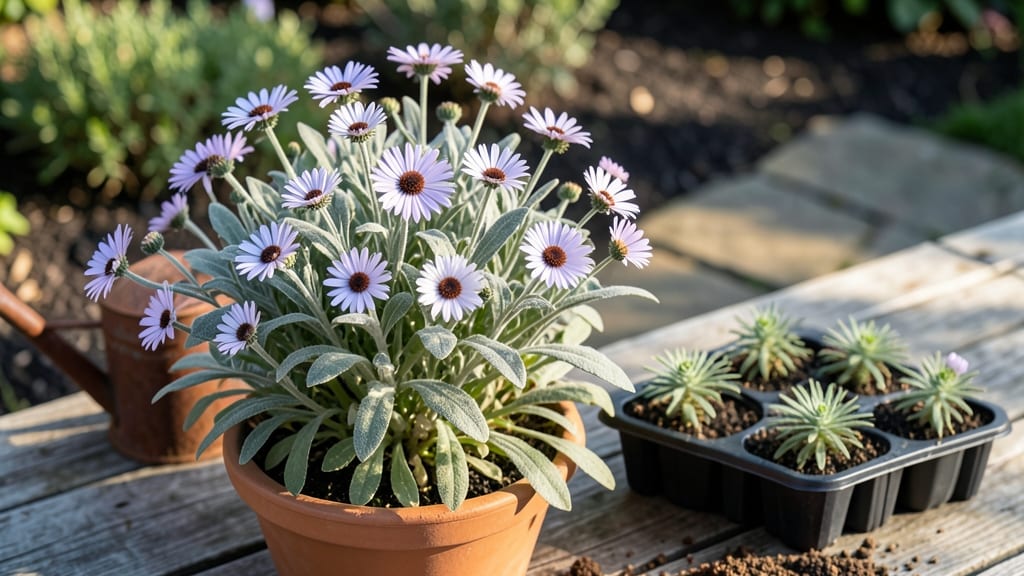
Planting African daisies transforms bare spots into a riot of color with almost no effort—just sun, well-drained soil, and a little patience. 🌻 I’ve watched these cheerful blooms bounce back from neglect, their papery petals opening wide even after I forgot to water for a week.
The key is getting them settled right from the start, whether you’re tucking them into garden beds or brightening up containers.
You’ll need a spot that gets at least 6 hours of full sun daily, soil that drains fast (they hate soggy feet), and a light hand with the trowel.
African daisies thrive in well-draining potting mix if you’re container-growing, and they’re happy in everything from sandy soil to rocky slopes—just avoid heavy clay.
Space seedlings 12–18 inches apart to give them room to spread, and plant them just deep enough so the top of the root ball sits level with the soil.
Watering is where most beginners trip up—these plants despise wet roots but still need moisture to establish. Give them a good drink after planting, then let the soil dry out completely between waterings.
Within 4–6 weeks, you’ll see those signature daisy faces popping up, and once they’re established, they’ll reward you with nonstop blooms from spring until frost—even in heat waves.
Pro tip: Pair them with salvias or lavender to attract pollinators, and deadhead spent blooms to keep the flowers coming. If you’re starting from seed, sow them indoors 8–10 weeks before your last frost for earlier color.
The best part? They self-seed like crazy, so you’ll have volunteers popping up everywhere next year.
📚 In This Guide
- What you need
- Instructions
- Tips and common mistakes
- Wrapping up and next steps
What you need
- ● African Daisy Plants: Seedlings or young plants (check local nurseries for Osteospermum or Dimorphotheca varieties).
- ● Quantity: 1 plant per 12–18 inches of space (or 3–5 plants per square foot for borders).
- ● Soil: Well-draining potting mix or garden soil (amend with compost for fertility).
- ○ Optional: Perlite or sand (10–20% mix) to improve drainage.
- ● Containers (if not planting in-ground): 5–7-inch pots with drainage holes (1 pot per plant).
- ● Fertilizer: Balanced 10-10-10 or 20-20-20 fertilizer (follow label for dilution).
- ○ Optional: Slow-release granules for long-term growth.
- ● Garden trowel or hand shovel (for transplanting).
- ● Watering can or hose with a gentle spray nozzle.
- ● Pruning shears (for deadheading or trimming).
- ○ Optional: Mulch (straw or shredded bark to retain moisture).
- ● Plant labels (to track varieties).
- ● Gloves (if handling soil or thorny stems).
- ● Sunlight: Full sun (6+ hours daily).
- ● Climate: Hardy in USDA Zones 7–11 (may need winter protection in colder zones).
- ● Watering: Keep soil evenly moist but not soggy (drought-tolerant once established).
- ● Spacing: 12–18 inches apart for optimal airflow.
Step-by-Step instructions for planting African daisies
Here's how to establish these vibrant sun-lovers with confidence—minimal fuss, maximum bloom.
🌱 Step 1: Select the Perfect Planting Location
African daisies demand full sun—at least 6-8 hours daily—to produce their signature cheerful blooms. Scout your yard for a spot with unobstructed southern or western exposure. I always check the area's afternoon sun patterns first, since these plants wilt dramatically in shade.
Test the soil's drainage by digging a 6-inch hole and filling it with water. If it drains within 1 hour, the site is ideal. Poor drainage causes root rot, and African daisies despise soggy feet. Amend heavy clay with 1 part sand to 3 parts native soil if needed—this improves aeration without altering fertility.
🪴 Step 2: Prepare the Soil and Plant Container-Grown Specimens
Loosen the soil in a 12-inch diameter circle around the planting hole to a depth of 12 inches. Break up any compacted layers with a garden fork—African daisies develop shallow but expansive root systems that need room to spread. Remove all weeds and debris from the area to prevent competition.
Gently remove the plant from its container and tease apart any circling roots. Position the root ball in the hole so the top sits ½ inch below soil level—this prevents stem rot from settling soil against the stem. Backfill with native soil, pressing lightly to eliminate air pockets but avoid compaction.
☀️ Step 3: Water Deeply and Establish Mulch Protection
Water immediately after planting to settle the soil and eliminate air gaps. Use 1 gallon of water per plant applied slowly at the base—never overhead—to encourage deep root growth. African daisies establish best when watered deeply twice weekly during their first growing season.
Apply a 2-inch layer of mulch around the base, keeping it 3 inches away from the stem to prevent moisture buildup. I use shredded bark or pine straw because it breaks down slowly while suppressing weeds. This layer also helps regulate soil temperature, which is critical for consistent flowering.
✂️ Step 4: Maintain Through the Growing Season
Deadhead spent blooms by pinching off the flower head just above the next set of leaves. This simple task redirects the plant's energy into producing more flowers instead of setting seed. I do this every 2 weeks during peak bloom season to keep my plants looking fresh and prolific.
Fertilize lightly once in early spring with a 10-10-10 balanced fertilizer applied at ½ the recommended rate. African daisies are not heavy feeders, and over-fertilizing leads to lush foliage at the expense of blooms. Water again after fertilizing to help nutrients penetrate the root zone.
⏰ Step 5: Prepare for Winter Dormancy
As temperatures drop below 50°F at night, African daisies begin their natural dormancy cycle. Reduce watering to once every 2-3 weeks and stop fertilizing entirely. The plants will yellow and collapse, but don't prune back—this protects the crown from winter damage.
Apply a 3-inch layer of mulch around the base before the first hard frost to insulate the roots. In colder climates (below Zone 7), consider covering with burlap or straw for extra protection. These plants are surprisingly hardy—they'll rebound spectacularly in spring with proper winter care.
Tips & tricks for perfect African daisy planting
These simple yet game-changing strategies will help your African daisies thrive with vibrant blooms and minimal effort.
Sun Exposure Secret: The 6-8 hours of full sun requirement isn't just about morning light—focus on afternoon sun exposure, especially between 12 PM and 4 PM. I've seen African daisies wilt dramatically when planted in spots with morning sun but afternoon shade. Consider using a sun calculator app to map your yard's sun patterns before planting. This small step makes all the difference in achieving those signature cheerful blooms.
Drainage Test Technique: When testing soil drainage in Step 1, don't just watch the water disappear—press the hole with your finger after filling it. If water comes back up immediately, your soil is too dense. African daisies hate soggy feet, so this quick test helps you determine if you need to amend with sand before planting. For heavy clay soils, I like to mix in perlite as well for better aeration.
Root System Strategy: The shallow but expansive root systems mentioned in Step 2 need proper preparation. Before planting, I always run my garden fork in a star pattern around the planting hole to create root pathways. This encourages roots to spread horizontally rather than circling, which prevents future transplant shock. Just 5 minutes of extra prep makes a world of difference in establishment.
Watering Wisdom: That initial 1 gallon of water per plant after planting should be applied slowly over 10-15 minutes to ensure proper soil saturation. For the twice-weekly watering schedule during the first growing season, I recommend watering in the morning to prevent fungal issues. Use a rain gauge or tuna can to measure exactly 1 inch of water per session—this consistency is key to preventing both underwatering and overwatering.
Pro Tips for African Daisy Planting
- These simple yet game-changing strategies will help your African daisies thrive with vibrant blooms and minimal effort.
- Sun Exposure Secret: The 6-8 hours of full sun requirement isn't just about morning light—focus on afternoon sun expo...
- Drainage Test Technique: When testing soil drainage in Step 1, don't just watch the water disappear—press the hole wi...
Frequently asked questions
Got questions about growing African daisies? You’re not alone! Here are some of the most common queries—plus quick, no-fluff answers to help you cultivate these cheerful blooms like a pro.
When is the best time to plant African daisies?
Plant them in early spring after the last frost (when soil temps hit 60°F+) or in late summer (August-September) for a fall-winter show. African daisies hate cold snaps, so avoid planting until the coast is clear for warm weather. Pro tip: If you’re in a hot climate, fall planting can extend blooms into winter!
How often should I water African daisies?
Water deeply but infrequently—about once a week (or when the top 1-2 inches of soil feel dry). Overwatering is their #1 enemy! Once established, they’re drought-tolerant, but mulch around the base to retain moisture and keep roots cool. Yellowing leaves? Likely overwatering or poor drainage.
Can I grow African daisies in pots or containers?
Just use a container at least 12 inches deep with drainage holes. Choose a fast-draining mix (like cactus/succulent blend) and repot every 2–3 years. Bonus: Container-grown daisies bloom earlier and stay pest-free. Note: They’ll need more frequent watering in pots since soil dries out faster.
Why aren’t my African daisies blooming?
No flowers? Check these fixes:
- Not enough sun: Move to a full-sun spot (6+ hours daily).
- Over-fertilizing: Too much nitrogen = leafy growth, no blooms. Use a low-nitrogen, high-phosphorus fertilizer (like 5-10-10) instead.
- Stress: Prune leggy stems to encourage bushier growth.
- Age: Older plants may need dividing or replanting.
What pests should I watch for with African daisies?
Keep an eye out for:
- Aphids: Tiny green/black bugs on stems. Blast off with water or use neem oil.
- Spider mites: Yellow spots + webbing? Wipe leaves with soapy water.
- Slugs/snails: Raveling holes? Set up beer traps or diatomaceous earth.
Wrapping up and next steps
Planting African daisies is a rewarding way to bring vibrant, low-maintenance beauty to your garden—no green thumb required! 🌼 With the right sun, soil, and spacing, these cheerful blooms will thrive and reward you with months of color.
Now that you’re armed with the how-to, why not take the next step? Grab your gloves, pick a sunny spot, and let your African daisy adventure begin—your garden will thank you!
Pro tip: 💡 Share your progress with fellow gardeners or tag us in your blooming pics for extra motivation!