Diseases
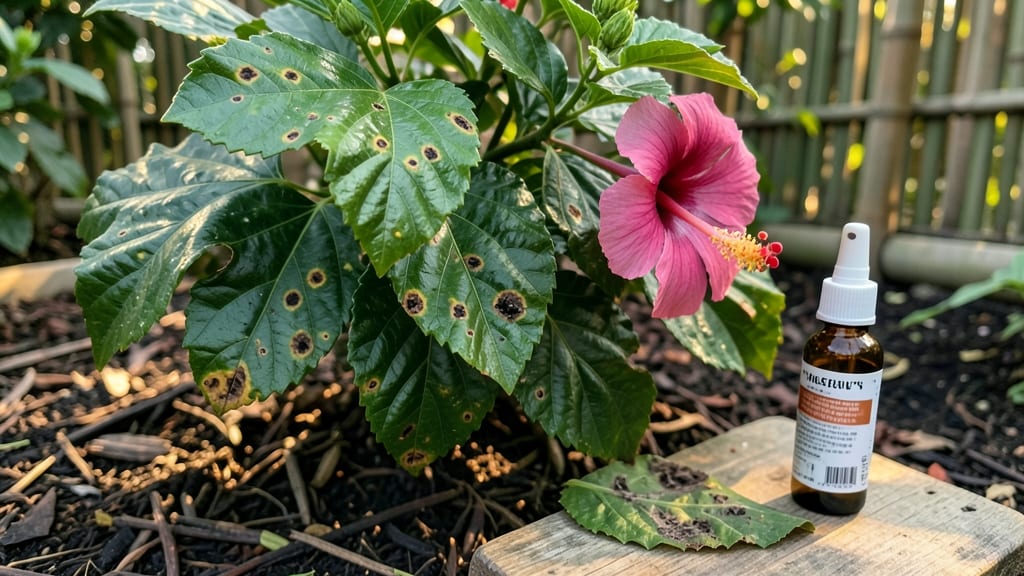
When hibiscus leaves start spotting or wilting, you're not dealing with a fussy plant—just one fighting a silent battle. 🌿 I’ve seen hibiscus go from showstopper blooms to sad, crumpled messes in weeks, and the culprits are often sneaky diseases hiding in plain sight.
The good news? Most of these foes respond to quick action, and prevention keeps them from staging a comeback.
Fungal infections like anthracnose or rust show up as yellow-orange spots or powdery coatings, while bacterial diseases create water-soaked patches that ooze when touched. Viruses? They stunt growth and distort leaves, turning your hibiscus into a botanical oddity.
The key to curing them lies in early diagnosis—check the undersides of leaves, stems, and even the soil around roots for clues.
You’ll restore your hibiscus to vibrant health with targeted sprays, pruned infected parts, and a few simple garden hygiene tweaks. Think copper fungicides for rust, neem oil for fungal spots, and sterilized tools to stop spread.
Within weeks, you’ll see new growth pushing out, and those bold blooms returning like nothing ever happened.
This works for both tropical hibiscus in pots and hardy varieties in the ground—just adjust watering and airflow to match your climate. Let’s turn those sad stems into a comeback story your garden will thank you for.
Root Causes Behind Hibiscus Struggles
Hibiscus plants, with their vibrant blooms and lush foliage, are stunning additions to any garden—but they’re not immune to trouble. Understanding why these diseases strike is the first step to keeping your hibiscus thriving. Let’s break down the science behind the most common culprits.
Hibiscus plants thrive in specific conditions, and when those are disrupted, diseases and pests move in like uninvited guests. Here’s how environmental factors create the perfect storm for trouble:
- Extreme Heat or Cold:
Hibiscus prefers warmth but wilts under intense heatwaves (above 90°F/32°C), causing stress that weakens its defenses. On the flip side, frost or freezing temperatures (below 30°F/-1°C) can kill cells, leaving the plant vulnerable to fungal infections like Botrytis blight.
💡 Pro Tip: If you live in a hot climate, provide afternoon shade. In colder regions, mulch heavily and cover plants with frost cloth when temps drop.
- Poor Air Circulation:
Hibiscus leaves love to breathe, but crowded plants or dense foliage trap moisture against stems and leaves. This creates a damp, humid microclimate—fungi’s dream. Diseases like anthracnose and powdery mildew thrive in these conditions.
🌡️ Science Note: Fungal spores germinate faster in stagnant, humid air (above 75% humidity). Prune regularly to improve airflow and space plants 3–4 feet apart.
- Improper Watering:
Hibiscus roots hate soggy soil—root rot (caused by Phytophthora or Pythium) sets in when water pools around roots for days. Conversely, drought stress weakens the plant, making it susceptible to spider mites and scale insects.
⏰ Watering Rule: Water deeply 2–3 times per week (not daily) and ensure pots have drainage holes. Let the top 1–2 inches of soil dry out between waterings.
Once environmental conditions are favorable, microbes swoop in to exploit hibiscus weaknesses. Here’s how they gain the upper hand:
- Fungal Spores in the Air:
Fungi like Alternaria (causing leaf spot) and Colletotrichum (anthracnose) survive in soil, mulch, and even old plant debris. When wet leaves combine with warmth (70–85°F/21–29°C), spores germinate and infect through stomata (tiny leaf pores).
🔥 Prevention: Remove fallen leaves and debris promptly. Apply copper fungicide preventatively before rainy seasons.
- Bacterial Entry Points:
Bacteria like Xanthomonas (bacterial leaf spot) enter through injuries—think pruning cuts, insect bites, or even harsh winds that tear leaves. Once inside, they multiply rapidly in warm, wet conditions.
🎯 Actionable Fix: Sterilize pruners with rubbing alcohol between cuts. Avoid overhead watering to keep leaves dry.
- Viruses Hitchhiking on Insects:
Viruses (e.g., Hibiscus Chlorotic Ringspot Virus) don’t spread on their own—they rely on vectors like aphids or whiteflies. These insects feed on infected plants, then transmit the virus to healthy ones.
🛡️ Defense Strategy: Inspect new plants for yellowing or stunted growth before bringing them home. Use neem oil to deter insect vectors.
Even the hardiest hibiscus can fall prey to diseases when care routines go awry. Here’s how human error sets the stage:
- Over-Fertilizing (Especially Nitrogen):
Too much nitrogen promotes lush, weak foliage that’s highly susceptible to pests like mealybugs and whiteflies. These insects then transmit viruses or create sooty mold (a black fungal growth on honeydew).
💡 Balance Tip: Use a balanced 10-10-10 fertilizer and half the recommended dose every 4–6 weeks. Hibiscus prefers phosphorus and potassium for blooms, not just nitrogen.
- Poor Soil Drainage:
Compacted or clay-heavy soil traps water, leading to root rot. Hibiscus roots need aeration—if they’re drowning, the plant can’t absorb nutrients, making it stress-prone.
🔪 Fix It: Amend soil with perlite or compost (20–30% by volume). For container plants, use a well-draining potting mix (e.g., 60% peat moss, 20% perlite, 20% compost).
- Ignoring Pests Early:
Small infestations of scale or aphids might seem harmless, but they weaken the plant by sucking sap. This stress opens doors for secondary infections like sooty mold or bacterial leaf spot.
✨ Early Action: Spray plants with soapy water (1 tsp mild dish soap per quart of water) weekly during peak pest seasons (spring/fall).
By addressing these root causes—environmental, microbial, and cultural—you’ll starve out diseases before they take hold. Next, we’ll dive into diagnosing symptoms so you can act fast! 🚀
Quick Fixes for Common Hibiscus Ailments
Now that you’ve identified the troublemakers plaguing your hibiscus, it’s time to roll up your sleeves and restore its vibrant health! Below are practical, step-by-step solutions tailored to each disease, plus prevention tips to keep your hibiscus thriving long-term.
Think of this as your hibiscus’s first-aid kit—easy to follow, effective, and designed to save the day.
Fix: Prune, Spray, and Prevent
H3: 🔥 Step 1: Prune the Problem Areas
- Use sterilized pruning shears (wipe with rubbing alcohol) to remove infected leaves—don’t compost them! Toss them in the trash to stop spores from spreading.
- Cut back to healthy green tissue (avoid yellow or brown patches).
- Pro Tip: 💡 Prune in the morning when humidity is lower, giving foliage time to dry before nightfall.
H3: 🍳 Step 2: Apply Fungicide
- Neem oil solution (1 tsp neem oil + 1 quart water + a drop of dish soap as an emulsifier) is your first line of defense. Spray both sides of leaves and the stems until damp. Repeat every 7–10 days until symptoms vanish.
- For severe rust, mix 1 tbsp baking soda + 1 quart water + a few drops of soap and spray. Why? Baking soda raises the leaf’s pH, making it inhospitable to fungi.
- Store-bought option: Copper fungicide (like Bonide Copper Fungicide) works fast—follow label instructions.
H3: 🌡️ Step 3: Adjust Growing Conditions
- Improve airflow: Space plants 12–18 inches apart and avoid overcrowding. If growing in pots, ensure drainage holes are present.
- Water at the base (not overhead) to keep leaves dry. Use a watering can with a narrow spout for precision.
- Morning watering is ideal—leaves dry by evening, reducing fungal growth.
Prevention: ✨ Preventative spray: Apply neem oil monthly during humid seasons (spring/fall). 🌿 Mulch properly: Use 2–3 inches of organic mulch (like pine bark) to keep soil moist but not soggy.
Fix: Drown, Deter, and Disrupt
H3: 🔪 Step 1: Blast Off Pests
- Strong water spray: Hold your hibiscus under a hose nozzle (not a gentle showerhead) for 10–15 seconds to knock off aphids and whiteflies. Do this daily for 3–5 days.
- Soapy water solution: Mix 1 tsp mild liquid soap (like Castile soap) + 1 quart water. Spray directly on pests (avoid overspraying flowers). Repeat every 3–4 days until gone.
H3: 👨🍳 Step 2: Introduce Natural Predators
- Ladybugs and lacewings are aphid-eating machines. Buy them online or release them in the afternoon (they’re nocturnal).
- Parasitic wasps (like Encarsia formosa) target whiteflies. Release them at dusk for best results.
H3: ⏰ Step 3: Set Up Traps
- Yellow sticky traps lure whiteflies. Hang them near the plant (but not touching leaves).
- For spider mites, wipe leaves with a damp microfiber cloth to remove webs and eggs.
Prevention: 🌡️ Monitor humidity: Keep it below 70%—pests love damp conditions. Use a dehumidifier or fan in greenhouses. 🎯 Rotate treatments: If pests return, alternate between soapy water, neem oil, and insecticidal soap to avoid resistance.
Fix: Shade, Hydrate, and Soothe
H3: 🌿 Step 1: Provide Temporary Shade
- Move potted hibiscus to a partially shaded spot (east-facing or dappled sunlight) for 1–2 weeks.
- For in-ground plants, install a lightweight shade cloth (30–50% coverage) over the area.
- Pro Tip: 💡 Use a white bedsheet as an emergency shade if you don’t have cloth—secure it with clothespins.
H3: 💦 Step 2: Deep Watering
- Water slowly and deeply until it drains from the bottom. Hibiscus roots need 1–1.5 inches of water per week (more in extreme heat).
- Mulch heavily (3–4 inches) with straw or wood chips to retain moisture.
H3: 🧴 Step 3: Foliar Spray for Recovery
- Mix 1 tbsp aloe vera gel + 1 quart water and spray on sunburned leaves to reduce stress.
- Avoid fertilizing until new growth appears—stressed plants can’t handle extra nutrients.
Prevention: ✨ Acclimate gradually: If moving hibiscus outdoors, harden it off over 7–10 days by slowly increasing sun exposure. 🌡️ Choose the right spot: Hibiscus thrives in morning sun + afternoon shade in hot climates.
Fix: Drain, Dry, and Revive
H3: 🚿 Step 1: Stop Watering Immediately
- Let the soil dry out completely before watering again. Stick your finger 2 inches into the soil—if it’s damp, wait.
H3: 🔄 Step 2: Repot if Necessary
- Gently remove the plant from its pot and inspect the roots.
- Healthy roots: Firm, white or light tan.
- Rotten roots: Mushy, black, or smell foul.
- Trim away rotten roots with sterilized scissors. Dust cuts with cinnamon powder (natural antifungal).
- Repot in fresh, well-draining soil (mix potting soil + perlite or sand in a 2:1 ratio).
H3: 🌱 Step 3: Adjust Care Routine
- Water only when the top 1–2 inches of soil are dry.
- Ensure the pot has drainage holes and a saucer underneath (empty excess water after 30 minutes).
- Avoid saucers with standing water—this traps moisture and encourages rot.
Prevention: 🎯 Upgrade containers: Use terracotta pots (they wick away moisture) or fabric grow bags for better airflow. 💡 Test your soil: Use a moisture meter to track when it’s time to water.
Final Reminder: 🌟 Patience is key! Some diseases take 2–4 weeks to fully resolve. Stick with your treatment plan, and your hibiscus will bounce back—bigger and healthier than ever!
Frequently asked questions
How do I tell if my hibiscus has a fungal infection vs. a bacterial one?
Check the leaf spots: fungal diseases like anthracnose or rust often show up as powdery coatings or orange-yellow spots with fuzzy edges. Bacterial infections create water-soaked patches that may ooze when touched. Pro tip: Fungal spots usually have concentric rings, while bacterial spots are more irregular.
Can I save my hibiscus if it’s already lost most of its leaves?
Yes, but act fast! Prune back to healthy green stems, then focus on root health and watering habits. Repot if needed with fresh, well-draining soil and reduce watering until new growth appears. With proper care, hibiscus can regrow leaves within 4-6 weeks.
Why does my hibiscus get diseases more often in summer?
Summer’s high heat and humidity create perfect conditions for fungal spores to thrive. Poor airflow from dense foliage and frequent rain also contribute. Keep leaves dry by watering at the base, improve airflow with pruning, and apply copper fungicide preventatively every 2-3 weeks during peak season.
Is it safe to use vinegar as a fungicide for hibiscus?
Neat vinegar is too harsh for hibiscus—it can burn leaves. Instead, mix 1 tablespoon white vinegar + 1 quart water + a drop of dish soap for a mild fungicidal spray. Test on a small leaf first, and never use more than once every 3 weeks. For better results, stick with neem oil or baking soda spray.
How do I know if my hibiscus has a virus?
Viruses like Hibiscus Chlorotic Ringspot cause yellow rings, mottled leaves, or stunted growth—there’s no cure. The only defense is prevention: inspect new plants thoroughly, control insect vectors with neem oil, and remove infected plants immediately to stop spread.