Pruning
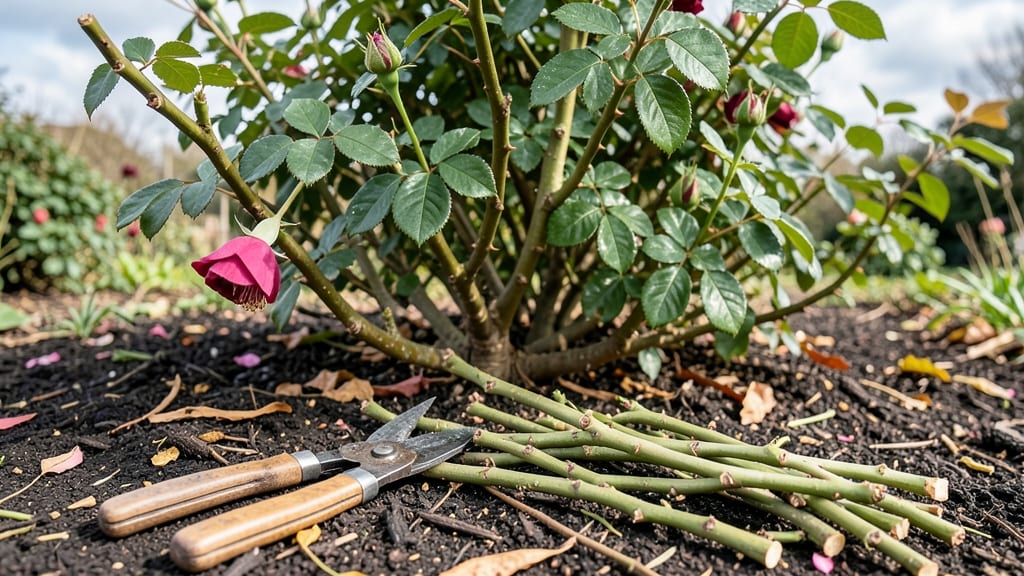
Pruning a plant isn’t just about cutting back—it’s the difference between a scraggly mess and a thriving, productive garden. 🌿 I’ve learned that three strategic trims a year can transform even the most neglected shrubs into lush, healthy powerhouses, and the best part?
You don’t need fancy tools or a green thumb to get started.
The key is timing: early spring for shaping, late summer to encourage blooms, and winter to clean up dead growth. Most people overlook the summer trim, but that’s when you really boost next year’s flowers.
I’ve seen roses explode with new growth just weeks after a mid-summer cut—it’s like hitting the reset button on their energy.
You’ll end up with plants that look fuller, produce more blooms or fruit, and resist diseases better. The right cuts even encourage stronger stems and thicker foliage, so every prune is an investment in long-term health. Once you see the difference, you’ll wonder why you waited so long.
Works for shrubs, trees, flowers, and even some vegetables—just adjust the timing and technique. Let’s get those shears out and make your garden the envy of the neighborhood.
📚 In This Guide
- What you need
- Instructions
- Tips and common mistakes
- Wrapping up and next steps
What you need
- ● Pruning shears: Bypass pruners (for clean cuts on small branches, 1 pair (look for ergonomic, stainless-steel blades).
- ● Loppers: Bypass or anvil (for branches 1 pair (choose long-handled for reach).
- ● Pruning saw: Curved-tooth (for thick branches, 2+ inches) – 1 (avoid serrated blades—they tear wood).
- ● Gloves: Garden or cut-resistant (to protect hands from thorns/spines) – 1 pair (waterproof if working in wet conditions).
- ● Disinfectant: 70% isopropyl alcohol or bleach solution (1 part bleach to 9 parts water) – small bottle (prevents disease spread).
- ● Sharpie or label markers: Waterproof – 1 (for tagging cuts if needed).
- ● Extension pole: Adjustable or telescopic (for high branches) – 1 (saves your back!).
- ● Rubbing alcohol wipes – pack of 10+ (quick blade disinfection between cuts).
- ○ Sealant: Pruning paint or wax (for large cuts on woody plants) – small jar (optional but reduces sap ooze).
- ● Bucket or bag: For trimmings – 1 (compost or dispose of debris easily).
- ● Ladder: Sturdy, non-slip (if reaching >6 feet) – 1 (safety first!).
How to prune a plant for year-round growth
This is the system I use to keep plants healthy and productive through every season.
✂️ Step 1: Spring Pruning for New Growth
Start by removing any dead or damaged branches first—just cut them back to healthy growth. You'll know a branch is dead if it's brittle, brown, and doesn't bend like fresh wood. Next, trim back any overgrown stems by about one-third to encourage bushier growth. This is also when I shape the plant by cutting just above a leaf node or outward-facing bud.
Here's the thing—spring is all about stimulation. You want to wake up the plant and get it ready for the growing season. Avoid heavy pruning on flowering plants during this time unless you want to delay blooms. For non-flowering plants, this is the perfect time to give them a good haircut.
☀️ Step 2: Summer Maintenance Pruning
During summer, focus on removing spent flowers and any branches that are crossing or rubbing against each other. This keeps air circulating and prevents disease. I always use clean, sharp pruners to make cuts at a 45-degree angle just above a leaf node. This encourages new growth in the right direction.
Watch for leggy growth or branches growing toward the shade. These can be trimmed back to maintain a balanced shape. Summer is also when I do light pruning to control the size of my plants—just a little at a time to avoid shocking them. You'll see the difference in just a few weeks.
✂️ Step 3: Fall Cleanup Pruning
As temperatures drop, it's time for a heavier cleanup. Remove any dead, diseased, or weak branches first. Then, trim back any remaining growth by about one-third to prepare the plant for winter. For deciduous plants, this is also when I cut back any remaining leaves to make it easier to spot pests or diseases.
Real talk: Don't skip this step. A well-pruned plant is much better equipped to handle winter conditions. I also take this time to remove any suckers or unwanted shoots that have appeared during the growing season. This keeps the plant focused on its main structure.
⏰ Step 4: Winter Dormancy Pruning
For most plants, winter is the time to rest. However, if you have evergreens or plants that bloom in late winter or early spring, you can do a light pruning to shape them up. Just remove any dead or damaged branches and give them a gentle trim to maintain their shape. Avoid heavy pruning during this time—you don't want to stress the plant when it's already conserving energy.
This is also when I clean and sharpen my pruners for the next season. A good pruning session in winter sets the stage for a strong start in spring. You'll be amazed at how much healthier your plants look when you start the new growing season.
Tips & tricks for perfect year-round plant pruning
These essential tips will help you master seasonal pruning like a pro—no green thumb required!
The One-Third Rule: When trimming in spring or fall, always cut back by about one-third of the plant's growth. This magic number encourages bushier growth while preventing over-stress. I learned this the hard way after over-pruning my rose bush and watching it struggle for weeks to recover. Think of it as giving your plant a healthy haircut rather than a buzz cut!
Tool Prep Matters: Always use clean, sharp pruners—dull blades tear plant tissue, leaving jagged edges that invite disease. I sanitize my tools with rubbing alcohol between plants to prevent cross-contamination. For larger branches, I use loppers or a handsaw, making cuts just outside the branch collar where it meets the trunk. This ensures clean cuts that heal properly.
Seasonal Timing Secrets: Spring pruning stimulates new growth, summer pruning maintains shape, and fall pruning prepares plants for winter dormancy. Here's what nobody tells you—if you prune flowering plants in spring, you'll delay their blooms. For non-flowering plants, this is the perfect time to give them a good haircut. In winter, only prune evergreens lightly if needed, as most plants need their rest.
Shape with Purpose: When shaping your plant, always cut just above a leaf node or outward-facing bud. This directs growth where you want it. I visualize the plant's natural shape and make cuts that follow its growth pattern. For example, if you want a bushier plant, cut just above a leaf node that points outward. This simple technique makes all the difference in your plant's final form.
Pro Tips for Prune A Plant
- These essential tips will help you master seasonal pruning like a pro—no green thumb required!
- The One-Third Rule: When trimming in spring or fall, always cut back by about one-third of the plant's growth. This m...
- Tool Prep Matters: Always use clean, sharp pruners—dull blades tear plant tissue, leaving jagged edges that invite di...
Frequently asked questions
Got questions about pruning?
You’re not alone! Here are answers to the most common concerns—whether you're a pruning pro or just starting out.
When is the best time to prune my plant?
Timing depends on the plant and season! For most flowering plants, prune after blooming (late spring/early summer). Evergreens and fruit trees thrive with late winter/early spring trims. Avoid heavy pruning in fall—it stresses plants before winter dormancy. When in doubt, research your plant’s specific needs!
Do I need special tools, or will regular scissors work?
Regular scissors can work for small jobs, but sharp, clean pruners (bypass or anvil) are best for precision. For thick branches (over ½ inch), use loppers or a pruning saw. Always disinfect tools with rubbing alcohol to prevent disease spread.
What if I prune too much? Can I fix it?
Over-pruning can stress plants, but don’t panic! If you’ve cut too far, focus on new growth—healthy leaves will sprout. For severe cases, reduce watering slightly and fertilize lightly to encourage recovery. Some plants bounce back fast; others (like bonsai) need gradual adjustments. When in doubt, less is more!
Can I prune in winter? Won’t it freeze?
Winter pruning is safe for dormant plants (like deciduous trees) but avoid it during hard freezes. Evergreens and spring-flowering shrubs (e.g., lilacs) should wait until late winter. If you must prune in cold weather, do it on warmer days (above 40°F) to prevent shock.
What’s the difference between pruning and trimming?
Pruning
is strategic—removing dead, diseased, or overgrown branches to shape and promote health. Trimming is lighter, often just neatening edges (like hedges). Think of pruning as a health checkup; trimming is more like a haircut. Both keep plants happy!
Wrapping up and next steps
Pruning isn’t just about cutting—it’s about revitalizing your plants for year-round vibrancy! 🌿 Whether you’re shaping roses in spring, thinning foliage in summer, or cleaning up in winter, each seasonal trim keeps your garden thriving.
Now that you’ve got the tools, techniques, and timing down, it’s time to roll up your sleeves and give your green friends the care they deserve.
Ready to take it further? Start small—pick one plant this week and practice your new skills. Before you know it, your garden will be the envy of the neighborhood! 🌟 Happy pruning!