Plants
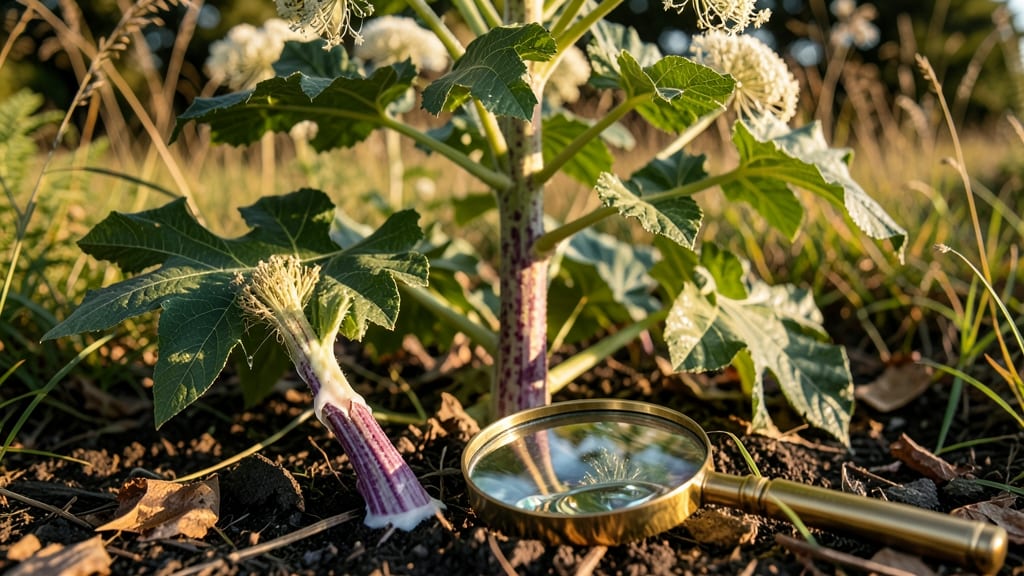
Hogweed plant burn isn’t just a rash—it’s a painful, blistering reaction that can ruin a gardening day in minutes. ✨ I’ve treated my own skin after brushing against this invasive giant, and I’ll show you how to avoid it before it happens and fix it fast if it does.
The key is recognizing the plant first: giant hogweed towers over your garden at 6 to 14 feet, with purple-spotted stems and yellow flower clusters the size of dinner plates.
Most gardeners don’t realize how dangerous this plant is until they’re dealing with burns that look like severe sunburns. The sap contains phototoxins that trigger blisters when exposed to sunlight—even hours later. That’s why protective gear isn’t optional: long sleeves, gloves, and goggles are your best defense when pulling it.
I’ve learned the hard way that skipping these precautions leads to regret (and a trip to the pharmacist).
If you do get burned, act fast: wash the skin immediately with cold water and soap, then cover it to block sunlight. The burns usually fade in 48 hours, but severe cases need medical attention.
The good news? Removing hogweed from your property protects both your skin and local ecosystems—this plant crowds out native species and spreads like wildfire (literally).
Here’s the game-changer: a two-step removal method that keeps you safe while eradicating it for good. First, smother the roots with thick cardboard or mulch, then pull what’s left with tools—not your hands. Your garden—and your skin—will thank you.
The Hidden Dangers Behind Contact
When you brush against Giant Hogweed (Heracleum mantegazzianum), its reaction isn’t just a mild irritation—it’s a phototoxic response triggered by furanocoumarins, a family of chemicals lurking in its sap.
These compounds are the real culprits behind the painful burns that can develop hours later. Here’s why they turn harmless contact into a medical concern:
The sap of Giant Hogweed contains psoralens and other furanocoumarins, which are inactive on their own. But when exposed to UV-A and UV-B rays (the same wavelengths that cause sunburn), these chemicals absorb energy and undergo a chemical change.
This process, called photochemical activation, binds the furanocoumarins to your skin cells’ DNA and proteins. The result? Cell damage that manifests as blisters, redness, and even third-degree burns in severe cases.
Why it matters: You might touch the plant in the shade or on a cloudy day, but if UV light hits your skin within 15–24 hours, the reaction can still occur. Even indirect sunlight (like through a window) can trigger it.
The plant’s sap is alkaline (pH ~8–9), which can disrupt your skin’s natural lipid barrier, making it more vulnerable to the furanocoumarins. When the sap comes into contact with:
- Moisture (sweat, rain, or even humidity) – It spreads more easily and penetrates deeper.
- Abrasions or cuts – Open wounds allow the chemicals to enter your bloodstream faster.
- Sensitive skin – People with eczema, rosacea, or fair skin often experience worse reactions.
Key detail: The sap can remain active on clothing, tools, or even your skin for up to 48 hours. Washing with soap and water alone isn’t enough—you need to neutralize it properly.
Giant Hogweed evolved these chemicals as a natural pesticide to deter herbivores. The plant’s large, umbrella-like leaves and towering height (up to 14 feet) make it seem harmless, but its hollow stems hold sap-rich channels. Even broken stems or uprooted plants can leak sap, making accidental exposure likely during removal.
Red flag: The plant’s sap is most concentrated in the stems and leaves, but even the roots contain toxic compounds. This means every part of the plant is a risk—not just the flowers.
Unlike a bee sting or a cut, Giant Hogweed burns don’t appear immediately. Here’s the timeline:
- 0–12 hours: No symptoms—you might feel nothing.
- 12–48 hours: Skin turns red and itchy (like a sunburn).
- 24–72 hours: Blisters form (some as large as 6 inches).
- 3–5 days: Blisters pop, leaving raw, painful wounds that may scar.
- Long-term risk: Exposure to sunlight can cause hyperpigmentation or permanent scarring.
Medical note: Severe cases can lead to infections or vision damage if sap gets in your eyes (it can cause corneal burns).
Pro tip: If you suspect exposure, avoid sunlight for at least 48 hours and seek medical help if blisters appear. The longer you wait to treat it, the worse the damage.
Quick Fixes for Hogweed Burns
Dealing with a giant hogweed burn (or even a brush with its sap) can be alarming, but acting fast and correctly can minimize discomfort and long-term damage. Below are practical, step-by-step solutions tailored to the cause—whether it’s direct skin contact, accidental exposure, or lingering sensitivity.
Prevention tips are included to keep you safe the next time you’re near these towering plants.
1. Wash the Area Thoroughly (Within 15 Minutes) Why it works: Hogweed sap contains phototoxic compounds that react with UV light, causing burns.
The sooner you rinse, the less sap your skin absorbs. How to do it: - Use cool (not icy) water—hot water can worsen irritation. - Scrub gently with mild soap (like Castile soap or baby shampoo) to remove residual sap. - Pat dry with a clean towel—don’t rub, as this can irritate further.
> 💡 Pro Tip: If you’re outdoors, carry a small bottle of rubbing alcohol (70% isopropyl) to wipe away sap before it binds to your skin.
2. Cover the Skin to Block UV Light Why it works: Hogweed burns worsen when exposed to sunlight for up to 48 hours.
Covering the area prevents further damage. How to do it: - Apply a sterile, non-stick bandage (like Tegaderm) if the burn is small. - For larger areas, wear long sleeves/pants and UV-protective clothing (UPF 50+). - Avoid tight fabrics that might chafe the skin.
> ⚠️ Warning: Do not use adhesive bandages directly on blisters—they can stick and tear skin when removed.
3. Soothe with Aftercare Products Why it works: Hogweed burns often cause redness, swelling, and blisters.
Calming ingredients like aloe and hydrocortisone can reduce inflammation. Recommended treatments: | Product | How to Use | Best For | |---------------------------|----------------------------------------|---------------------------------------| | Aloe vera gel | Apply 2–3 times daily | Mild redness, cooling sensation | | Hydrocortisone cream (1%) | Thin layer, 2–3x/day (max 7 days) | Itching, swelling (avoid broken skin) | | Calamine lotion | Dab on affected areas | Itching, minor burns | | Cold compress | Wrap ice pack in cloth, apply 10 mins | Swelling, pain relief |
> 🌡️ Pro Tip: If blisters form, do not pop them—let them heal naturally to avoid infection.
- ❌ Use ice directly on skin → Can cause frostbite-like damage.
- ❌ Scrub with harsh exfoliants → Irritates further and removes protective skin layers.
- ❌ Apply butter, oil, or toothpaste → Traps heat and increases infection risk.
- ❌ Ignore the burn for hours → Delays treatment and worsens reactions.
Hogweed’s sap is highly reactive, so prevention is your best defense. Follow these steps when near wild areas:
👕 Wear Protective Clothing
- Long sleeves, pants, and gloves (especially when hiking or gardening).
- UPF-rated clothing adds an extra layer of sun protection if sap touches skin.
🕶️ Use Sunscreen (Even on Cloudy Days)
- Apply broad-spectrum SPF 30+ to exposed skin, even if you’re covered.
- Reapply every 2 hours (or after sweating).
🔍 Identify Before You Touch
Hogweed has large white flower clusters and purple-spotted stems. When in doubt:
- 📸 Take a photo and check local plant databases.
- 🚫 Avoid touching unknown plants—especially those with milky sap.
🌿 Learn Safe Removal Techniques
If you must remove hogweed (it’s invasive!):
- Wear gloves, long sleeves, and goggles.
- Use vinegar-based herbicide (spray on a non-sunny day to avoid sap activation).
- Never burn hogweed—the smoke can cause severe respiratory irritation.
> ✨ Pro Tip: Report hogweed sightings to local invasive species hotlines—early eradication protects communities!
Final Note: Most hogweed burns heal within 1–2 weeks with proper care. If you experience severe blistering, fever, or infection signs (pus, red streaks), see a doctor immediately. Stay safe and informed!
Frequently asked questions
What should I do immediately after touching hogweed?
Wash the area with cool water and mild soap within 15 minutes to remove sap. Avoid hot water, which can worsen irritation. Pat dry gently and cover the skin to block sunlight, since UV exposure triggers burns. Pro tip: Keep rubbing alcohol (70% isopropyl) handy for outdoor cleanups.
How long does it take for hogweed burns to appear?
Symptoms usually develop 12–48 hours after contact, starting as redness like a sunburn. Blisters may form within 24–72 hours, and severe cases can cause permanent scarring. The longer you wait to treat it, the worse the reaction becomes.
Can I pop hogweed blisters?
No! Popping blisters increases infection risk and delays healing. Let them heal naturally under sterile, non-stick bandages. If blisters are large or painful, see a doctor to prevent scarring. For itching, apply hydrocortisone cream (1%) as directed.
What’s the safest way to remove hogweed from my yard?
Wear gloves, long sleeves, and goggles to avoid sap contact. Use vinegar-based herbicide on a non-sunny day to prevent sap activation. Never burn hogweed—the smoke can cause respiratory irritation. Report sightings to local invasive species programs.
Will sunscreen prevent hogweed burns?
Sunscreen alone won’t stop burns, but it reduces UV exposure, which triggers the reaction. Pair it with protective clothing (UPF 50+) and avoid touching the plant. The sap’s phototoxins need sunlight to activate—blocking UV light is critical for prevention.