Plants
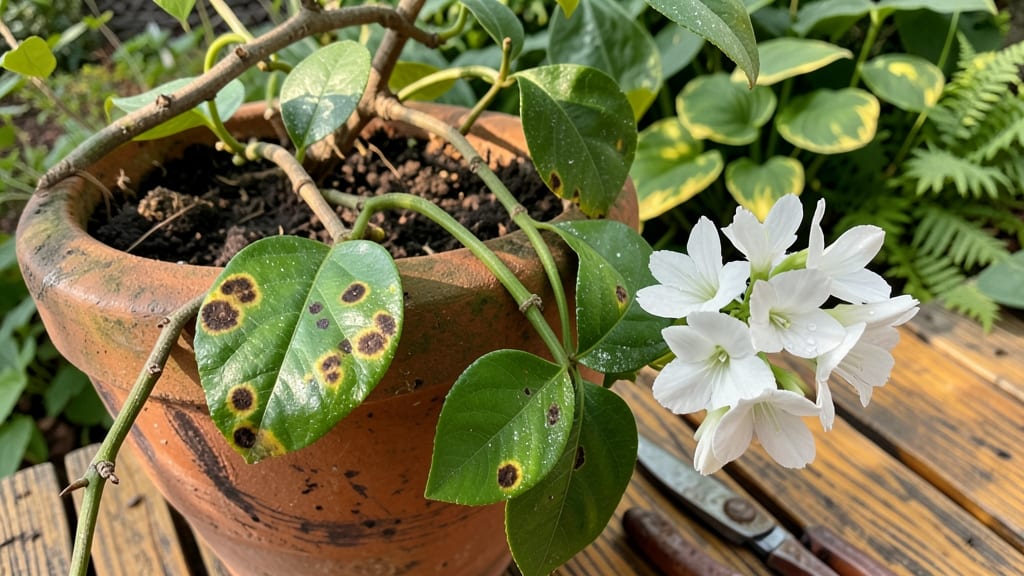
That white powder on your jasmine plant isn’t dust—it’s a telltale sign of fungus, and neem oil is your plant’s best shot at a comeback. 🌿 I’ve battled this exact problem with my climbing jasmine, and the key is acting fast before the fungus spreads to every leaf.
The moment you spot those chalky patches or yellowing foliage, you’re already in a race against time.
Most fungal infections start with poor airflow or overwatering, turning your fragrant jasmine into a fungus buffet. The good news? Neem oil disrupts the fungus’s life cycle while being safe for your plant when used right.
You’ll need a 1-teaspoon-to-1-quart-water mix, applied in the evening to avoid scorching leaves—just like I did after my third failed attempt with store-bought sprays.
Within a week, you’ll see new growth pushing through, and those white patches will shrink back. The real win? Preventing future outbreaks by spacing plants properly and watering at the base—not the leaves. Prune any severely infected stems immediately, but don’t toss them—burn or bag them to stop the spread.
This works for powdery mildew, black spot, and even early signs of root rot. The secret isn’t just the treatment—it’s the follow-through. Your jasmine will smell sweeter than ever once you break the fungus cycle. Let’s get those leaves healthy again.
Root Causes Of Fungal Spread
Fungal infections in jasmine plants—like powdery mildew, leaf spot, or root rot—don’t appear out of nowhere. Understanding the why behind these issues is the first step to prevention and treatment.
Below, we break down the key factors that create the perfect storm for fungal growth, so you can address them before they take hold.
---
Fungi thrive in wet, oxygen-deprived environments, and overwatering is their favorite invitation.
When jasmine plants sit in soggy soil for too long, excess moisture: - Drowns roots, starving them of oxygen and creating the ideal breeding ground for Phytophthora (root rot) and Pythium. - Traps water on foliage, allowing spores from pathogens like Alternaria (leaf spot) to germinate and spread. - Encourages fungal spores already present in the soil to multiply rapidly.
Actionable fix: Ensure pots have drainage holes and use a well-draining potting mix (like a 60/40 blend of peat moss and perlite). Water only when the top 1–2 inches of soil are dry, and avoid letting plants sit in saucers of standing water.
---
Jasmine plants love humidity, but excessive moisture in the air—especially without airflow—turns their leaves into fungal buffets.
Common culprits: - Powdery mildew (Erysiphe spp.) spreads like wildfire in 70–90% humidity, forming white, powdery patches on leaves. - Botrytis blight thrives in still, damp conditions, causing brown, mushy spots on flowers and stems. - Condensation on leaves (from poor ventilation) creates micro-climates perfect for fungal spores to land and germinate.
Actionable fix: - Improve airflow with a small fan (set to low) or prune crowded branches. - Space plants 12–18 inches apart to reduce humidity buildup. - Water in the morning so foliage dries quickly, and avoid overhead watering.
---
Stressed jasmine plants are fungal magnets because their natural defenses weaken.
Common stressors include: - Nutrient deficiencies (e.g., low nitrogen or magnesium) make leaves thin and vulnerable. - Physical damage (e.g., from pests like spider mites or harsh pruning) creates entry points for spores. - Sudden temperature swings (below 60°F or above 90°F) shock the plant, reducing its ability to fight infections.
Actionable fix: - Fertilize regularly with a balanced, slow-release fertilizer (10-10-10) during growing season. - Inspect plants weekly for pests or damage, and treat issues immediately. - Acclimate plants gradually to temperature changes to avoid shock.
--- Fungal spores are sneaky hitchhikers. They lurk on: - Dirty pruning shears (transferring pathogens from one plant to another). - Infested potting mix (old soil may harbor dormant spores like Fusarium). - Cross-contaminated compost (if made from diseased plant material).
Actionable fix: - Sterilize tools with 70% isopropyl alcohol or a 10% bleach solution between uses. - Replace potting mix every 1–2 years or pasteurize it by baking at 200°F for 30 minutes. - Avoid mulching near stems (keep it 2–3 inches away to prevent moisture buildup).
--- Fungi don’t just appear—they wait for the right conditions.
Key triggers: - Cool nights (50–65°F) + warm days (75–85°F) create the perfect "Goldilocks zone" for powdery mildew. - Rainy or foggy seasons wash spores onto leaves, increasing infection rates. - Shady, low-light spots (like under trees) keep humidity high and slow drying.
Actionable fix: - Move plants to partial sun (4–6 hours of light) to reduce humidity. - Use shade cloth in hot climates to prevent heat stress. - Water at soil level (not overhead) during rainy seasons to limit spore splash.
--- Some pests don’t just damage plants—they pave the way for fungi. For example: - Aphids excrete honeydew, a sticky sugar that fuels sooty mold growth. - Spider mites weaken leaves, making them susceptible to Botrytis. - Scale insects create wounds where spores can enter.
Actionable fix: - Neem oil spray (1 tsp per quart of water) doubles as a fungicide and pest deterrent. - Introduce beneficial insects like ladybugs or lacewings to control pests naturally. - Wipe leaves with a damp cloth to remove honeydew and reduce fungal food sources.
--- Starting new jasmine plants from cuttings or seeds? Fungal risks multiply because: - Soft, new growth is more susceptible to Botrytis and Phytophthora. - Rooting hormones or contaminated water can introduce pathogens. - High humidity in propagators (like plastic bags) traps moisture, inviting mold.
Actionable fix: - Use sterile rooting hormone and chlorinated water (let it sit out for 24 hours to dissipate chlorine). - Propagate in well-draining medium (perlite + coconut coir). - Mist lightly and remove plastic covers once roots form to reduce humidity.
Revive Your Jasmine with Fungus Fixes
Fungal infections on jasmine plants can feel like a hopeless battle, but with the right approach, you can restore your plant’s health—especially with neem oil, a natural powerhouse. Below, we’ve mapped out the most common fungal issues, their causes, and practical, step-by-step solutions to get your jasmine blooming again.
Plus, we’ll share prevention tips to keep future outbreaks at bay.
---
Cause: Alternaria, Septoria, or Cercospora fungi thrive in damp, humid conditions, often appearing as dark spots with yellow halos.
#### 🔥 How to Fix It 1. Prune the Infected Areas 🌱 - Use sterilized pruners (wipe with rubbing alcohol) to trim away all spotted leaves and stems. Dispose of them in the trash (not compost)—fungi spread easily!
2. Neem Oil Spray (The Game-Changer) 🍳 - Mix 1 tbsp neem oil + 1 tsp mild dish soap + 1 quart water in a spray bottle. - Spray thoroughly (top and bottom of leaves) every 7–10 days for 3–4 weeks.
Neem disrupts fungal spores and prevents regrowth. - Pro Tip: Apply in the early morning or late afternoon to avoid leaf burn from sunlight.
3. Improve Airflow & Light 🌬️☀️ - Space plants 12–18 inches apart to reduce humidity buildup. - Move to a sunnier spot (jasmines need 6+ hours of light daily) to dry leaves faster.
4. Fungicide Boost (If Needed) 💊 - For severe cases, use a copper fungicide (like Bonide Copper Fungicide) once, followed by neem oil. Avoid chemical fungicides—they can harm beneficial insects.
#### 💡 Prevention Tips - Water at the base (never overhead) to keep leaves dry. - Space mulch 2–3 inches away from stems to prevent soil-borne fungi. - Rotate pruning tools between plants to avoid cross-contamination.
---
Cause: Erysiphe or Sphaerotheca fungi love shady, crowded conditions, creating a chalky white film on leaves.
#### 🍳 How to Fix It 1. Wipe Off Mildew Gently 🧼 - Use a soft cloth dampened with water and a drop of neem oil to remove the white layer. Avoid harsh scrubbing—jasmine leaves are delicate!
2. Neem Oil + Baking Soda Spray 🥄 - Mix 1 tbsp neem oil + 1 tsp baking soda + 1 quart water. Spray every 5–7 days until the mildew disappears.
3. Boost Air Circulation 🌬️ - Fan lightly (30 mins/day) if indoors or prune nearby plants to improve airflow.
#### 🔥 Prevention Tips - Avoid overhead watering—use a drip irrigation system if possible. - Plant in full sun (powdery mildew thrives in shade). - Space plants 18+ inches apart to dry leaves quickly.
---
Cause: Phytophthora or Pythium fungi from overwatering or poor drainage, attacking roots first.
#### 👨🍳 How to Fix It 1. Stop Watering Immediately 💧❌ - Let the soil dry out completely before watering again. Stick your finger 2 inches deep—if it’s damp, wait.
2. Repot in Fresh, Dry Soil 🏺 - Remove the plant, trim mushy roots (sterilize scissors with hydrogen peroxide), and repot in a well-draining mix (cactus/succulent soil + perlite). - Pro Tip: Add 1 tbsp neem oil to the new soil as a preventative.
3. Adjust Watering Habits 📅 - Water only when the top 1–2 inches of soil are dry (every 7–10 days, depending on climate). - Use a pot with drainage holes—no exceptions!
#### 🌡️ Prevention Tips - Upgrade your pot to terracotta (breathes better than plastic). - Mulch lightly (½ inch) to retain moisture without suffocating roots. - Avoid saucers—water should drain away completely.
---
Cause: Puccinia fungi create bright orange spots (like tiny blisters) on undersides of leaves.
#### ⏰ How to Fix It 1. Remove All Infected Leaves 🗑️ - Snip off every leaf with rust spots—this stops spores from spreading.
2. Neem Oil + Copper Fungicide Combo 🛡️ - Spray with neem oil (as above) followed by copper fungicide (like CuPro) once. Repeat neem oil weekly for 2 weeks.
3. Sanitize Your Space 🧹 - Clean tools, pots, and surfaces with 10% bleach solution (1 part bleach to 9 parts water) to kill lingering spores.
#### ✨ Prevention Tips - Avoid overhead watering—use a watering wand with a fine mist at soil level. - Rotate plants occasionally to expose all sides to sunlight. - Plant jasmine in raised beds if possible—better drainage = fewer fungi.
---
Keep these go-to tools handy for future outbreaks: - Neem oil (100% cold-pressed, no additives) - Copper fungicide (for stubborn cases) - Pruners (sterilized with rubbing alcohol) - Spray bottle (for targeted treatments) - Fan (for airflow boosts)
--- Final Reminder: Consistency is key! Fungal infections often return if you stop treatments too soon. Stick with neem oil sprays every 7–10 days until your jasmine shows new, healthy growth—then shift to prevention mode. 🌸
Frequently asked questions about jasmine plant fungus
What are the first signs my jasmine plant has fungus?
Look for white powdery patches (powdery mildew), dark spots with yellow halos (leaf spot), or orange rust-like bumps on leaf undersides (rust fungus). Wilting, yellowing leaves, or mushy stems may also signal root rot. Act fast—these signs mean the fungus is already spreading!
Is neem oil safe for all types of jasmine fungus?
Yes! Neem oil works against powdery mildew, leaf spot, and early-stage root rot. For stubborn cases like rust fungus, combine it with a copper fungicide. Always mix 1 teaspoon neem oil per quart of water with a drop of dish soap as an emulsifier. Apply in the evening to avoid leaf burn.
Can I save my jasmine if the fungus has spread to the roots?
You might! First, stop watering immediately and let the soil dry completely. Repot in fresh, well-draining soil after trimming all mushy roots. Add 1 tablespoon neem oil to the new soil as a preventative. If the plant is beyond saving, take cuttings from healthy stems to propagate new plants.
How often should I spray neem oil to prevent fungus?
For prevention, spray every 2–3 weeks during humid seasons. If your jasmine is already infected, apply every 7–10 days for 3–4 weeks. Always rotate with other methods like improving airflow or adjusting watering habits to break the fungus cycle.
Will fungicides harm my jasmine’s flowers or scent?
Neem oil and copper fungicides won’t harm flowers or the plant’s natural fragrance. Chemical fungicides, however, can leave residues that may affect scent. Stick to organic options like neem oil or baking soda sprays for the best results without compromising your jasmine’s sweet aroma.