Flowers
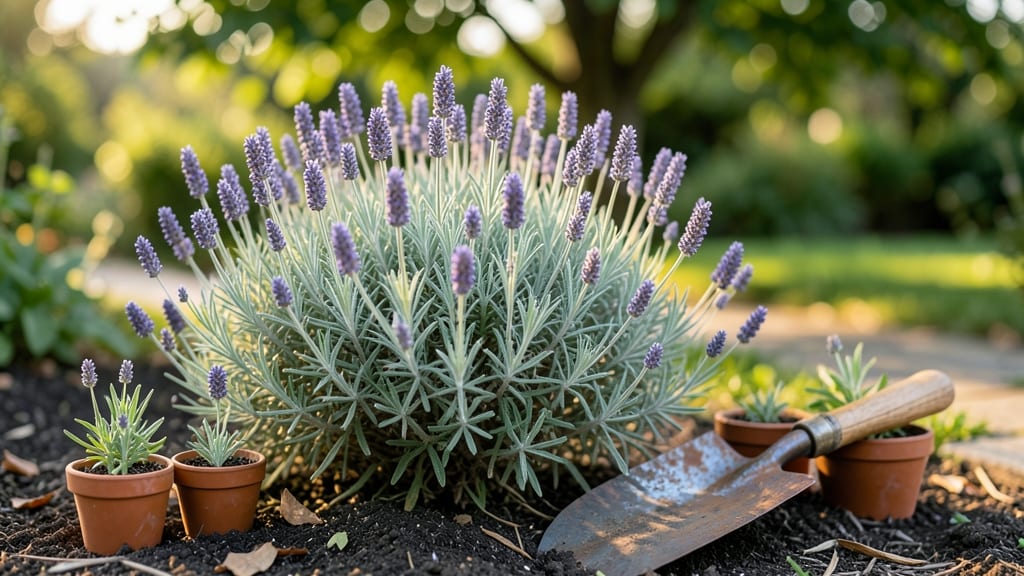
Follow these lavender planting instructions to turn your garden into a fragrant retreat—sunny borders, drought-tolerant rock gardens, and all—with just the right soil, sunlight, and spacing. ✨ I’ve planted lavender in everything from... tools or green thumbs required.
The secret starts with well-draining soil and full sun—lavender thrives where others struggle. Mix coarse sand or gravel into your planting area if your soil stays damp, and space plants 18-24 inches apart to prevent overcrowding.
Once in the ground, water deeply but infrequently; lavender hates soggy roots and will reward you with silvery foliage and purple spikes all season.
By late summer, you’ll be harvesting fragrant stems for sachets or cutting flowers that last weeks in vases. The scent alone makes it worth the effort, but the drought-resistant nature means less work for you. Just avoid heavy clay soil and overwatering—those are the two biggest mistakes beginners make.
Works in zones 5-9, from coastal climates to hot inland gardens. Whether you’re lining a pathway or filling a container, lavender’s hardiness and fragrance make it a no-fail choice. Let’s get those roots in the ground!
📚 In This Guide
- What you need
- Instructions
- Tips and common mistakes
- Wrapping up and next steps
What you need
- ● Lavender plants: Choose English lavender (Lavandula angustifolia) or French lavender (Lavandula dentata) for best results. Start with 3-5 healthy nursery-grown plants (6-12 inches tall) or seeds (if starting from scratch).
- ● Well-draining soil: A mix of 60% potting soil, 30% coarse sand or perlite, and 10% compost (pH 6.5–7.5). Avoid heavy clay!
- ● Sunlight: A full-sun location (6+ hours of direct sunlight daily)—lavender loves the heat!
- ● Watering can or hose with a gentle spray nozzle (lavender hates soggy roots).
- ● Garden trowels or small shovel (for transplanting).
- ● Pruning shears (sharp, clean, and sterilized with rubbing alcohol).
- ○ Organic mulch (optional but helpful): 2–3 inches of gravel or coarse bark to retain heat and deter weeds.
- ● Slow-release fertilizer (low in nitrogen): Look for a balanced 10-10-10 or 5-10-10 blend (apply once in early spring).
- ● Drip irrigation system (to automate watering—lavender hates overwatering!).
- ● Garden stakes or markers (to label varieties and track growth).
- ● Gloves (to protect hands from prickly stems).
- ● Harvesting scissors (for trimming blooms—never use regular scissors!).
How to plant lavender for a fragrant, low-maintenance garden
Here's my go-to method for growing healthy lavender that thrives with minimal fuss.
🌱 Step 1: Choose the Perfect Location and Prepare the Soil
Lavender demands full sun—at least 6-8 hours daily—and well-draining soil. I always pick the sunniest, driest spot in my garden because lavender hates soggy roots. If your soil is heavy clay, mix in 2-3 inches of coarse sand or gravel to improve drainage before planting.
Test your soil's moisture by digging a 6-inch hole. If water pools or drains slowly, amend with additional sand or plant in a raised bed. Avoid areas where water collects after rain—lavender's roots will rot within days. The ideal spot feels dry to the touch even after heavy rainfall.
🪴 Step 2: Dig Holes and Plant at the Right Depth
Dig holes twice as wide as the lavender's root ball but only as deep as the container it came in. Planting too deep suffocates the roots, while shallow planting exposes them to drying winds. Gently remove the plant from its container and loosen any circling roots with your fingers—this encourages outward growth.
Place each plant in its hole, spacing them 18-24 inches apart for mature size. Fill the hole with soil, pressing lightly to eliminate air pockets. Don't compact too firmly—lavender roots need room to breathe. Water deeply right after planting to settle the soil around the roots, but avoid creating a muddy mess.
☀️ Step 3: Water Sparingly and Avoid Overhead Moisture
Lavender thrives on neglect once established, but newly planted lavender needs consistent moisture for the first 2-3 weeks. Water deeply every 2-3 days until the top 2 inches of soil feel moist. Use a soaker hose or drip irrigation to water at the base—never overhead. Wet foliage invites fungal diseases that can kill plants quickly.
After the initial weeks, reduce watering to once a week unless your area experiences extreme heat or drought. You'll know it's time to water again when the soil feels dry 2-3 inches down. Yellowing leaves usually mean overwatering, while wilting indicates underwatering—lavender's way of telling you it's thirsty.
✂️ Step 4: Prune for Shape and Encourage Bushier Growth
Wait until spring to prune lavender for the first time, cutting back one-third of the previous year's growth right after new shoots appear. Use clean, sharp shears to make cuts just above a set of leaves. Avoid cutting into old wood—the center of the plant won't regrow if you prune too aggressively.
Throughout the growing season, shape lavender lightly after flowering to maintain its natural form. Deadhead spent blooms to encourage more flowers, but don't trim more than 1/3 of the plant annually. Over-pruning stresses lavender and can kill it. You'll notice new growth within 2-3 weeks after pruning—this is your signal that the plant is happy and recovering well.
Tips & tricks for perfect lavender planting
These simple tricks will help you avoid common mistakes and grow lavender that thrives with minimal effort.
Sunlight Secret: The 6-8 hours of full sun in Step 1 is non-negotiable for lavender. If your garden doesn't get this much sunlight, consider planting in containers where you can move them to sunny spots during the day. I've seen lavender struggle in partial shade—it simply won't bloom as well or grow as vigorously. Trust me on this: lavender is a sun worshipper!
Soil Test Tip: Before amending your soil with sand or gravel in Step 1, do a quick moisture test by digging that 6-inch hole. If water disappears within 10 minutes, your soil drains well. If it pools or takes longer than 30 minutes to drain, you absolutely need those 2-3 inches of sand or gravel. This simple test saves you from potential root rot disasters later on.
Planting Depth: When you're planting in Step 2, resist the urge to bury lavender too deeply. The top of the root ball should be level with the soil surface—no higher, no lower. I've seen people plant lavender with the root ball buried an inch too deep, and it struggles to thrive. The roots need to breathe, and proper depth encourages strong growth from the start.
Watering Wisdom: During that initial 2-3 week watering period in Step 3, use your finger to check soil moisture. Stick it 2 inches down—if it feels dry, water again. The key is consistency without overdoing it. I've had lavender plants wilt because I watered too much, and others struggle because I didn't water enough. Aim for that Goldilocks zone of just-right moisture.
Pro Tips for Lavender Planting Instructions
- These simple tricks will help you avoid common mistakes and grow lavender that thrives with minimal effort.
- Sunlight Secret: The 6-8 hours of full sun in Step 1 is non-negotiable for lavender. If your garden doesn't get this ...
- Soil Test Tip: Before amending your soil with sand or gravel in Step 1, do a quick moisture test by digging that 6-in...
Frequently asked questions
Got questions about growing lavender? You’re not alone! Here are some of the most common concerns—plus straightforward answers to help you cultivate a thriving, fragrant garden.
When is the best time to plant lavender?
Lavender thrives when planted in early spring or early fall. Avoid planting in summer’s heat or winter’s frost, as young plants struggle to establish roots. If you must plant in late spring, water deeply and mulch lightly to retain moisture.
Why is my lavender turning brown or dying?
Brown, crispy lavender often signals overwatering, poor drainage, or fungal issues. Ensure your soil is well-draining (sandy or gravelly works best) and water only when the top inch feels dry. If fungal spots appear, trim affected stems and avoid wetting foliage.
Can I grow lavender in containers?
Lavender adapts well to containers with drainage holes. Use a mix of potting soil and perlite or sand. Place pots in full sun and water sparingly—containers dry out faster. Just ensure the container is at least 12 inches wide to accommodate root growth.
Will lavender attract bees and butterflies?
Yes! Lavender is a pollinator magnet, especially for bees and butterflies. Its nectar-rich flowers provide food, while its fragrance deters some pests. Planting lavender supports local ecosystems—just avoid spraying pesticides near blooms.
How cold can lavender tolerate?
Most lavender varieties handle USDA Zones 5–9, surviving light frosts (down to 15°F). For colder climates, choose English lavender (Lavandula angustifolia), which is hardier. Mulch around the base in winter to protect roots, but avoid piling mulch directly against stems.
Wrapping up and next steps
You’re now ready to cultivate a fragrant, low-maintenance lavender garden that will thrive for years! 🌿 With the right soil, sunlight, and spacing, your plants will reward you with stunning blooms and a soothing aroma.
Whether you’re a seasoned gardener or a beginner, these simple steps make lavender planting effortless and rewarding.
Take the next step: mark your planting spots and gather your supplies—then watch your garden flourish! For extra tips, check out our lavender care guide to keep your plants happy and healthy.