Plants
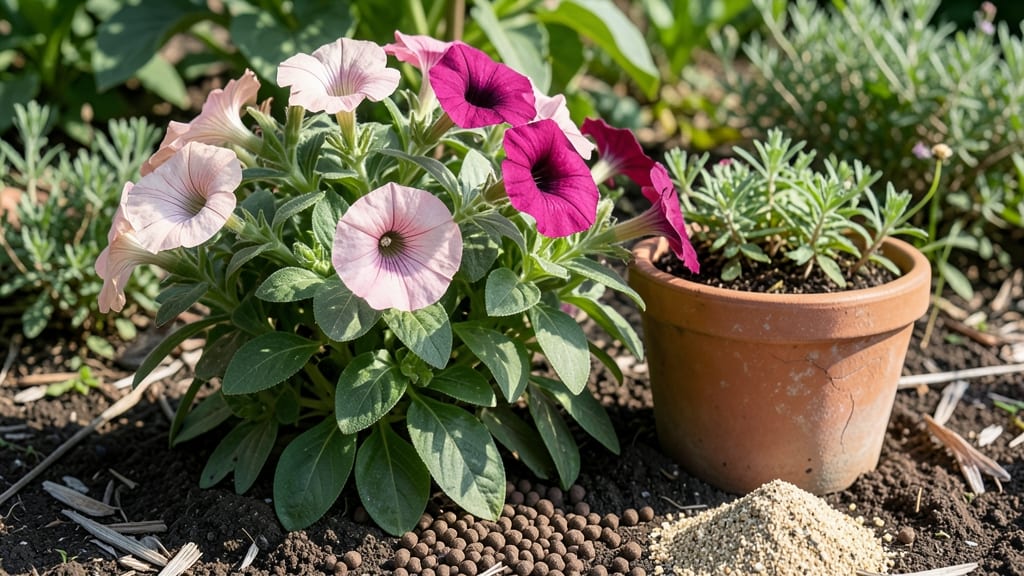
The right petunia plant fertilizer can transform your blooms from lovely to breathtaking, turning a simple patch of flowers into a summer-long spectacle.
Struggling to get your petunias to burst into vibrant, long-lasting blooms? The secret isn’t just water and sunlight—it’s the right fertilizer strategy that can transform your garden from lackluster to showstopping.
Petunias thrive when fed a balanced mix of nutrients, especially during their June-October blooming season in Zone 6a. Too much fertilizer burns their delicate roots, while too little leaves you with sparse, weak flowers.
In this guide, I’ll walk you through the best fertilizers, how often to apply them, and the simple tricks to keep your petunias blooming like crazy without overdoing it.
Best fertilizers for petunias to maximize blooms and growth
Petunias are flowering powerhouses that thrive when given the right nutrients. The key to vibrant blooms and lush foliage lies in understanding their nutritional needs and choosing the perfect fertilizer.
Unlike many plants, petunias crave phosphorus for blooms but need balanced nitrogen to prevent leafy overgrowth. Let’s break down your options to keep your petunias showstopping all season.
First, consider whether you prefer organic or synthetic fertilizers. Organic options like compost or fish emulsion feed petunias slowly, improving soil health over time. Synthetic fertilizers, such as granular 10-10-10 or liquid bloom boosters, deliver quick results but require careful dosing.
Each type has unique benefits, and the best choice depends on your gardening goals and timeline.
Petunias respond best to a balanced NPK ratio of 5-10-10, with slightly higher phosphorus (middle number) to encourage abundant blooms. However, don’t overlook micronutrients like magnesium, calcium, and iron. These trace elements prevent yellowing leaves and ensure strong stems that support heavy flower clusters.
A slow-release fertilizer applied at planting time can provide steady nutrition, while liquid feeds work well for mid-season boosts.
Here’s a quick comparison of top fertilizer options to help you decide:
| Type | NPK Ratio | Best For | Application | Pros | Cons |
|---|---|---|---|---|---|
| Slow-Release Granules | 10-10-10 or 14-14-14 | Long-term growth | At planting, every 8-12 weeks | Low maintenance, even release | Less flexible for quick fixes |
| Liquid Bloom Booster | 5-10-5 or 7-9-5 | Mid-season bloom boost | Every 2-4 weeks, diluted | Fast results, easy to adjust | Requires frequent applications |
| Compost or Worm Castings | Varies (organic matter) | Soil health & slow release | Mixed into soil at planting | Improves soil structure, no burn risk | Slower nutrient release |
| Fish Emulsion | 5-1-1 or 2-3-1 | Foliar feed & root growth | Every 4-6 weeks, diluted | Rich in micronutrients, fast uptake | Strong odor, attracts pests |
| Bone Meal | 3-15-0 | Phosphorus boost for blooms | Sprinkle at planting, 2 tbsp per plant | High phosphorus for flowers | Can cause nitrogen deficiency |
For container-grown petunias, a water-soluble fertilizer like Miracle-Gro Bloom Booster (24-16-16) works wonders when applied every 2 weeks. The high phosphorus content encourages continuous blooming, while the potassium supports disease resistance. Just be sure to follow label instructions—over-fertilizing can lead to burnt roots and leaf scorch
Step-by-step guide: how to fertilize petunias for year-round flowering
Petunias thrive on consistent feeding, but timing and method make all the difference. Unlike many plants, petunias need phosphorus-rich fertilizer to fuel their prolonged blooming season.
Too little, and you’ll see sparse flowers; too much, and you’ll burn their delicate roots. The key is a balanced approach that matches their growth stages.
Start with a pre-planting boost to jumpstart root development, then shift to mid-season feeding every 4-6 weeks. After blooms fade, a light post-bloom feed keeps them vibrant until frost. Let’s break it down so your petunias stay lush and colorful all season.
Step-by-Step Fertilizing Guide for Petunias
-
Step 1: Pre-Planting Prep (2-4 Weeks Before Planting)
Mix 1 tbsp of 5-10-10 fertilizer into the top 6 inches of soil per plant. This kickstarts root growth before the first bloom appears.
-
Step 2: Early Season Boost (At Planting)
Apply a slow-release granular fertilizer (like Osmocote) around the base. Water deeply to activate nutrients—avoid direct leaf contact to prevent burns.
-
Step 3: Mid-Season Feeding (Every 4-6 Weeks)
Switch to a liquid bloom booster (e.g., Miracle-Gro Blooms) diluted to half-strength. Feed in early morning to prevent leaf scorch from afternoon sun.
-
Step 4: Foliar Top-Up (During Heatwaves)
Spray diluted fish emulsion (1 tsp/gallon) on leaves for quick nutrient uptake. Ideal for potted petunias or high-stress conditions like drought.
-
Step 5: Post-Bloom Care (Late Summer)
Reduce to every 8 weeks with a low-nitrogen fertilizer (e.g., 3-4-6 ratio). This prevents leggy growth and supports late-season blooms.
-
Step 6: Winter Dormancy (Skip Fertilizer)
Petunias are annuals—stop feeding by October. Focus on mulching to protect roots if overwintering in mild climates.
Pro tip: Always water before fertilizing to prevent root burn. For container-grown petunias, halve the dosage since roots have less soil volume to absorb nutrients. Over-fertilizing is the #1 mistake—look for yellowing leaves or crispy edges as warning signs.
Pair this routine with deadheading spent blooms to redirect energy into new flowers. With consistent care, your petunias will reward you with non-stop color from spring through frost—no gaps, no fades.
🌸