Pruning
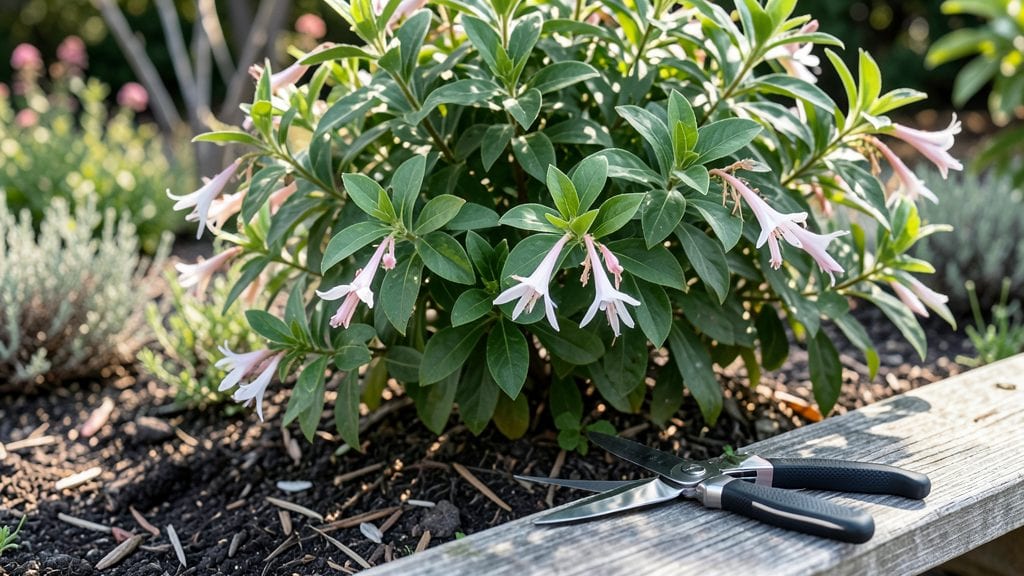
Pruning abelia plants transforms them from scraggly shrubs into vibrant, blooming showstoppers—and the key is timing. ✨ I learned the hard way that skipping these three precision trims means fewer flowers and leggy growth, but once I mastered the schedule, my abelia went from "meh" to "neighborhood bragging rights."
The secret isn’t just when you cut—it’s how. Start with light shaping in early spring to encourage new growth, then deadhead spent blooms through summer to keep flowers coming, and finish with a rejuvenation trim in late winter to clean up the skeleton.
You’ll need sharp bypass pruners, rubbing alcohol for sterilizing cuts, and a clear day to avoid soggy wood.
After pruning, your abelia will reward you with denser foliage, more blooms, and a tidy shape that lasts all season. The first flush of flowers arrives in late spring, and with proper care, you’ll get two more waves through summer.
Just avoid cutting into old wood—it won’t regrow—and you’re golden.
This method works for Abelia × grandiflora and Abelia chinensis, whether you’re shaping a hedge or a single specimen. The same rules apply in zones 6-9, just adjust timing slightly for early frost areas. Let’s get those shears sharp!
📚 In This Guide
- What you need
- Instructions
- Tips and common mistakes
- Wrapping up and next steps
What you need
- ● Pruning shears – Bypass pruners (sharp, clean, and sterilized with rubbing alcohol or bleach solution) for clean cuts on small stems (1/4"–3/8" thick). Quantity: 1 pair.
- ● Loppers – Bypass or anvil type for thicker branches (3/8"–1.5" thick). Quantity: 1 pair.
- ○ Hand pruners – Anvil-type for quick trims (optional if you have bypass shears). Quantity: 1 pair.
- ● Gloves – Garden gloves (nitrile-coated for grip and protection). Quantity: 1 pair.
- ● Disinfectant – Rubbing alcohol (70%+), hydrogen peroxide (3%), or bleach solution (1 part bleach to 9 parts water) to sterilize tools between cuts. Quantity: Small bottle or spray.
- ○ Pruning sealant – Optional but recommended for larger cuts (e.g., Tanglefoot Tree Wound Pruning Seal). Quantity: Small tube.
- ● Bucket or bag – For collecting pruned branches and debris. Quantity: 1.
- ● Ladder or step stool – If your Abelia is tall (6+ feet). Quantity: 1 (ensure it’s stable!).
- ● Sharpener – A file or honing tool to keep blades razor-sharp between uses.
- ● Extension pole pruners – For high branches without a ladder.
- ● Marking twine or flags – To tag branches for removal if you’re planning a major shape overhaul.
- ● Safety glasses – Protect your eyes from debris, especially when pruning thick branches.
- ● Hose or spray bottle – To rinse tools and clean sap off cuts.
Instructions for abelia plant pruning: year-round health with 3 precision trims
Here's the method I've refined over seasons to keep abelia blooming abundantly and growing compactly.
✂️ Step 1: Early Spring Cleanup Pruning (Late February to Early March)
Start by removing any dead, damaged, or crossing branches first—these compete with new growth and invite disease. I use sharp bypass pruners to make clean cuts at a 45-degree angle just above a leaf node or outward-facing bud. This angle encourages faster healing and directs new growth outward, creating a fuller plant shape.
Next, trim back any overly leggy stems by one-third of their length. You'll see these as long, bare stems with sparse foliage at the tips. Pruning here stimulates bushier growth and prevents the plant from becoming top-heavy. Avoid cutting into old wood—abelia produces new growth from last year's stems, so never remove more than one-third of the plant's total volume in a single season.
✂️ Step 2: Post-Bloom Summer Pruning (June to Early July)
After abelia finishes flowering, it's time for the second precision trim. Remove one-third of the oldest stems at the base, cutting just above a healthy bud or side branch. These stems are typically thicker, with less vibrant foliage. This rejuvenation pruning encourages fresh growth and maintains the plant's vigor for next year's blooms.
Also, lightly trim back any new growth that's become overly vigorous or unruly. You'll recognize these as stems that are growing too quickly or in awkward directions. Use your fingers to pinch back soft new growth to encourage branching. This step keeps the plant's shape neat and prevents it from becoming too leggy by mid-summer.
✂️ Step 3: Late Fall Light Pruning (November)
In late fall, focus on shaping and removing any weak or diseased growth. Cut back any stems that have produced flowers this year by half their length, making your cuts at a 45-degree angle above a bud. This prevents the plant from looking too bare over winter and encourages new growth from the base in spring.
Remove any dead, diseased, or crossing branches that may have developed during the growing season. I also lightly shape the plant by trimming back any stems that have grown too long or out of proportion. This final trim ensures the abelia enters dormancy in the best possible condition, setting it up for a strong start in spring.
⏰ Step 4: Winter Dormancy Check (December to February)
While abelia is dormant, do a final inspection for any dead or damaged branches that may have been missed. Use your fingers to gently pull on any suspicious stems—if they come away easily, they're dead and should be removed. This is also the time to plan your spring pruning strategy based on how the plant looks after winter.
Keep an eye out for any signs of disease or pest damage, such as discolored leaves or unusual growths. If you find any, remove the affected branches immediately and dispose of them away from the garden. This prevents the spread of problems when new growth begins in spring.
Tips & tricks for perfect abelia plant pruning
These precision techniques will transform your abelia from a leggy mess into a blooming powerhouse year after year.
Tool Selection: Invest in a pair of sharp bypass pruners—dull blades tear plant tissue and slow healing. I've found Felco F-2 pruners to be the gold standard for clean cuts that heal faster. For thicker stems, use loppers with a 6-inch cutting capacity, but make sure they're also sharp. A clean cut at a 45-degree angle (as mentioned in Step 1) is non-negotiable—it prevents water pooling that leads to rot and encourages faster regrowth.
Seasonal Timing Secret: The three-pruning schedule in the instructions works because it aligns with abelia's natural growth cycles. In Step 1, early spring pruning right before new growth begins prevents you from cutting back into last year's flower buds. For Step 2, wait until after flowering (typically mid-July) to remove those one-third of oldest stems—this gives the plant time to set next year's blooms before you prune. In Step 3, the half-length cut in November removes spent flower stems while still allowing sunlight to reach lower buds.
Pruning Strategy for Different Abelia Types: If you're working with Abelia x grandiflora (the most common type), follow the instructions exactly. However, for dwarf varieties like 'Kaleidoscope', reduce your cuts by 25%—these compact plants need less aggressive pruning to maintain their shape. For 'Francis Mason', which has particularly vigorous growth, you can safely remove up to 40% of the plant's volume in Step 2, but always make those cuts just above a bud to encourage branching.
Disease Prevention: After each pruning session, immediately sterilize your tools with rubbing alcohol to prevent spreading pathogens between cuts. In Step 4 during winter, I also recommend collecting all removed branches and disposing of them in sealed bags—never compost diseased material. This simple step has prevented powdery mildew from becoming a recurring problem in my garden. The 45-degree angle cuts you make in Steps 1 and 3 also help prevent water from sitting on the cut surface, which is another common entry point for fungal infections.
Pro Tips for Abelia Plant Pruning
- These precision techniques will transform your abelia from a leggy mess into a blooming powerhouse year after year.
- Tool Selection: Invest in a pair of sharp bypass pruners—dull blades tear plant tissue and slow healing. I've found F...
- Seasonal Timing Secret: The three-pruning schedule in the instructions works because it aligns with abelia's natural ...
Frequently asked questions
Got questions about keeping your Abelia looking its best? Here are some of the most common queries—plus quick, actionable answers to keep your plant thriving year-round!
When is the best time to prune Abelia?
The ideal times are late winter or early spring (just before new growth starts) and lightly after flowering (summer). Avoid heavy pruning in fall—it can stimulate tender new growth that won’t survive winter frost. For year-round health, focus on shaping in spring and cleanup in late winter.
How much can I trim back my Abelia?
You can safely trim up to one-third of the plant’s height in late winter, but avoid drastic cuts. For shaping, remove dead, crossing, or overcrowded branches first. If your Abelia looks leggy, cut just above a leaf node to encourage bushier growth. Never remove more than 25% in a single session.
What if my Abelia doesn’t bloom after pruning?
Abelia blooms on old wood, so heavy summer pruning can reduce flowers. To fix this, prune lightly after blooming (just enough to shape) and avoid cutting back more than 10% in late summer. If blooms are sparse, fertilize lightly in spring with balanced 10-10-10 and ensure it gets 6+ hours of sun.
Can I prune Abelia in winter?
Yes, but only in mild climates (USDA Zones 7-10). If frost is predicted, wait until late winter. In colder zones, prune in early spring (March) to avoid winter dieback. Always use sterilized shears and remove any frost-damaged branches—these are easy to spot as brown, mushy stems.
What’s the difference between pruning Abelia grandiflora vs. Abelia x ‘Kaleidoscope’?
| Abelia grandiflora | Abelia ‘Kaleidoscope’ |
|---|---|
| Prune after flowering (summer) to maintain shape; tolerates harder cuts in late winter. | More sensitive—prune lightly after blooming to preserve variegated foliage. Avoid heavy winter cuts. |
| Focus on deadheading to encourage repeat blooms. | Prioritize foliage shape over blooms; trim to highlight variegation. |
Wrapping up and next steps
Mastering Abelia plant pruning is your secret weapon for a thriving, lush shrub that blooms beautifully year after year! With just three strategic trims—light shaping, post-bloom cleanup, and late-winter renewal—you’ll keep your Abelia healthy, vibrant, and full of life. 🌿✨
Ready to put your new skills to work? Grab your pruners, pick a sunny day, and give your Abelia the care it deserves—your garden will thank you with stunning blooms and robust growth!