Size
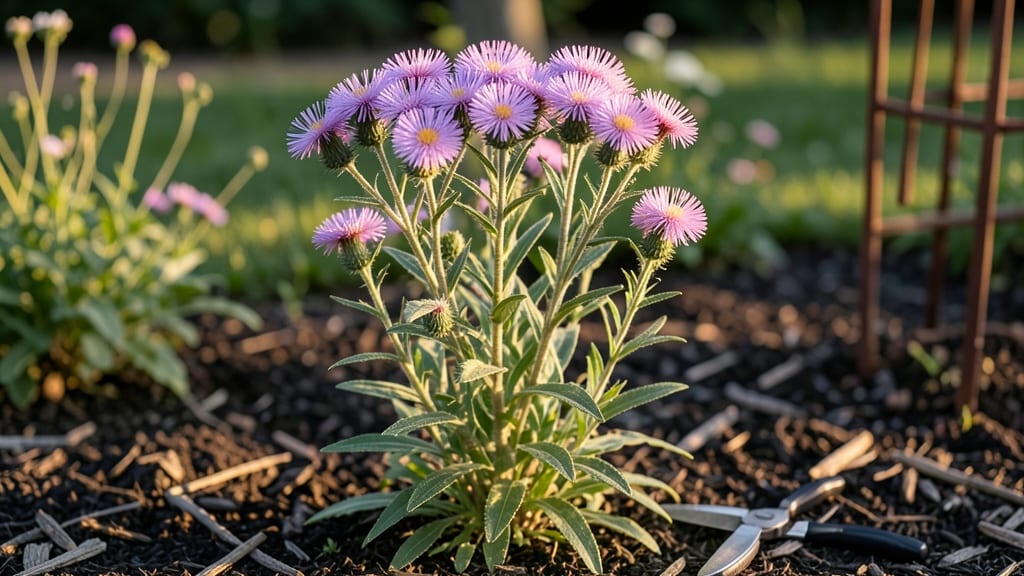
Those tall aster plants with their sky-high blooms and effortless charm have become my go-to for adding drama to the garden. 🌻 I fell in love with them after seeing how they stood tall all summer long, their daisy-like flowers swaying in the breeze without needing constant deadheading.
The secret to their success lies in their adaptability—full sun to part shade, well-draining soil, and surprisingly low-maintenance care. Most gardeners overlook them because they think they require constant attention, but once you plant them in the right spot, they thrive with minimal fuss.
I’ve grown them in everything from formal borders to wildflower meadows, and they always deliver.
You’ll end up with stunning vertical interest that blooms from late summer through fall, attracting butterflies and adding color when many other perennials have faded. The key is spacing them 2-3 feet apart and giving them room to stretch their legs—literally.
They’ll reward you with bold, cheerful blooms that make your garden feel like a postcard.
Perfect for cutting gardens, cottage-style beds, or even as dramatic backdrops for shorter perennials. Once established, they’re nearly foolproof, making them ideal for busy gardeners who still want a high-impact look. Let’s get yours growing!
📚 In This Guide
- What you need
- Instructions
- Tips and common mistakes
- Wrapping up and next steps
What you need
- ● Tall aster plant (Symphyotrichum spp.) – Choose a variety like ‘Albert Chatham’ or ‘Patriot’ for vibrant blooms. Opt for 1-3 mature plants (3-4 ft tall) or seeds for DIY growing.
- ● Well-draining potting mix – A blend of 50% garden soil, 30% compost, and 20% perlite/sand (for containers). For in-ground planting, amend clay soil with 2-3 inches of compost.
- ○ Container (optional) – A 12-18 inch pot with drainage holes if growing in a container. Use a fabric grow bag for better aeration.
- ● Garden trowel or shovel – For transplanting or digging holes (6-8 inches deep).
- ● Pruning shears – Sharp, bypass-style shears for trimming spent blooms or shaping.
- ● Watering can or hose with a gentle spray nozzle – 1-2 gallons of water per plant during dry spells.
- ○ Gloves (optional) – To protect hands from thorns on some varieties.
- ○ Mulch (optional) – 2-3 inches of shredded bark or straw to retain moisture and suppress weeds.
- ● Sunlight – Full sun (6+ hours/day). Partial shade (4-6 hours) works for cooler climates.
- ● Hardiness zone – USDA Zones 3-9. Adjust planting time based on your zone (spring or early fall for best results).
- ● Watering schedule – 1 inch per week (adjust for rain). Avoid soggy soil to prevent root rot.
- ○ Fertilizer (optional) – Balanced 10-10-10 or slow-release granules at planting time. Skip if soil is already rich in nutrients.
Step-by-step guide to growing a thriving tall aster plant
Here’s how to cultivate a bold, long-blooming aster that rewards you with minimal fuss.
🌱 Step 1: Choose the Right Location and Plant Your Aster
Tall asters (Symphyotrichum spp.) crave full sun—at least 6-8 hours daily—to produce their signature daisy-like blooms. I always plant mine in well-draining soil with a slightly alkaline pH (6.5-7.5). Amend heavy clay with 1-2 inches of compost before planting to improve aeration and moisture retention.
Dig a hole twice as wide as the root ball but only as deep as the container’s base. Gently remove the plant, tease the roots if they’re circling, and place it so the top of the root ball sits just below soil level. This prevents stem rot while encouraging strong root establishment. Water deeply immediately after planting to eliminate air pockets.
☀️ Step 2: Water and Fertilize for Continuous Blooms
Once established, tall asters are drought-tolerant, but consistent moisture during the first 30 days ensures robust growth. Water 1-2 inches per week, letting the soil dry slightly between sessions. You’ll know it’s right when the top 2 inches feel dry to touch—never soggy. Overwatering invites fungal issues like powdery mildew, which asters are prone to.
Feed with a balanced 10-10-10 fertilizer every 4-6 weeks during the growing season (spring through fall). I skip winter feeding—asters rest then. For extra vigor, top-dress with 1 inch of compost in early spring. Avoid high-nitrogen fertilizers; they promote leafy growth at the expense of flowers.
✂️ Step 3: Prune Strategically for Longer Blooming Seasons
Here’s the trick: Deadhead spent blooms every 2-3 weeks to encourage a second flush of flowers. Use clean, sharp pruners to cut back to the nearest leaf or bud. This redirects energy from seed production to new growth. I also trim 1/3 of the plant’s height in early summer to promote bushier, more compact growth.
In late fall, cut back stems to 6-8 inches tall to tidy the plant and remove overwintering pests. Never remove all foliage—leaving some protects the crown from harsh winter winds. Asters are hardy to USDA Zone 3, so they’ll bounce back beautifully in spring.
🌿 Step 4: Protect and Maintain for Year-Round Health
Mulch around the base with 2-3 inches of shredded bark in early spring to retain moisture and regulate soil temperature. This also suppresses weeds, which compete for nutrients. I reapply mulch annually, pulling back slightly from the stem to prevent rot.
Watch for Japanese beetles and aster yellows disease—common pests and pathogens. Handpick beetles early in the day when they’re sluggish, or treat with neem oil if infestations appear. For disease prevention, space plants 18-24 inches apart to improve air circulation. Healthy asters rarely need intervention, but these steps ensure they thrive for years.
Tips & tricks for perfect tall aster plant care
Between us, these simple tricks will help you avoid the most common mistakes that turn beautiful aster plants into leafy disappointments. Here's what nobody tells you—
Sunlight Secret: While 6-8 hours of full sun is ideal, asters can actually tolerate up to 10 hours if your climate is cooler. I've seen them thrive with morning sun and afternoon shade in hotter zones, though the blooms may be slightly smaller. The key is monitoring leaf color—pale yellow leaves mean it's time to move them to a sunnier spot.
Soil Preparation Tip: Don't skip the pH test! While asters prefer slightly alkaline soil (6.5-7.5), many garden soils run acidic. I always test with a simple soil kit before planting—it's the difference between vibrant blooms and struggling plants. For quick results, mix in 1-2 cups of wood ash per planting hole to raise pH naturally.
Watering Wisdom: The "top 2 inches dry" rule works, but I've found a better test: stick your finger 3 inches down. If it feels dry, water deeply. This accounts for the plant's deeper root system and prevents the shallow drying that causes stress. Early morning watering is best—it gives leaves time to dry before evening, reducing mildew risk.
Pruning Strategy: When deadheading every 2-3 weeks, I always cut back to the first healthy leaf below the bloom. This creates a stronger branching point for new flowers. For the summer height trim, use clean pruners and make cuts at a 45-degree angle just above a leaf node—this prevents water from pooling and causing rot.
Pro Tips for Tall Aster Plant
- Between us, these simple tricks will help you avoid the most common mistakes that turn beautiful aster plants into le...
- Sunlight Secret: While 6-8 hours of full sun is ideal, asters can actually tolerate up to 10 hours if your climate is...
- Soil Preparation Tip: Don't skip the pH test! While asters prefer slightly alkaline soil (6.5-7.5), many garden soils...
Frequently asked questions
How tall do tall aster plants grow, and do they need staking?
Tall aster plants (like Symphyotrichum varieties) typically reach 3 to 6 feet tall, depending on the species. While they’re sturdy, windy or wet conditions may cause them to flop. For extra support, insert bamboo stakes or a small trellis at planting time—just avoid damaging the roots! Light pruning can also encourage bushier growth.
When is the best time to plant tall aster plants for year-round blooms?
For continuous blooms, plant in early spring or late summer. Spring planting gives them time to establish roots before summer heat, while late-summer varieties (like ‘Little Carlow’) bloom into fall and sometimes winter in mild climates. Hardiness zones 3–9 work best—just ensure well-draining soil!
Can tall aster plants survive indoors, or are they strictly outdoor plants?
Tall asters are outdoor plants at heart and need full sun (6+ hours daily) to thrive. However, you can grow dwarf varieties (1–2 ft tall) in large containers on a sunny patio. For indoor spaces, opt for low-light alternatives like Chinese evergreen or snake plant—but tall asters will wilt without bright light!
What pests or diseases should I watch for in tall aster plants?
Common issues include:
- Aphids or spider mites: Spray with neem oil or a soapy water solution.
- Powdery mildew: Improve airflow and avoid overhead watering.
- Rust fungus: Remove infected leaves and apply fungicide.
How often should I prune tall aster plants for more blooms?
Minimal pruning is key! Trim back 1/3 of the plant after flowering to encourage new growth and next season’s blooms. Avoid heavy pruning in late summer—this can cut off fall/winter flowers. Pro tip: Use clean, sharp shears to prevent disease!
Wrapping up and next steps
The tall aster plant is a dream for gardeners seeking effortless beauty—its stunning blooms thrive with minimal fuss, making it perfect for both beginners and seasoned green thumbs! 🌸 Whether you’re drawn to its easy-care nature or its year-round appeal, this plant proves that stunning gardens don’t require endless pruning or high maintenance.
Ready to elevate your outdoor space? Start by gathering your supplies and choosing the ideal spot—then watch your garden transform with vibrant, low-stress blooms. Happy planting! 🌿