
Diseases
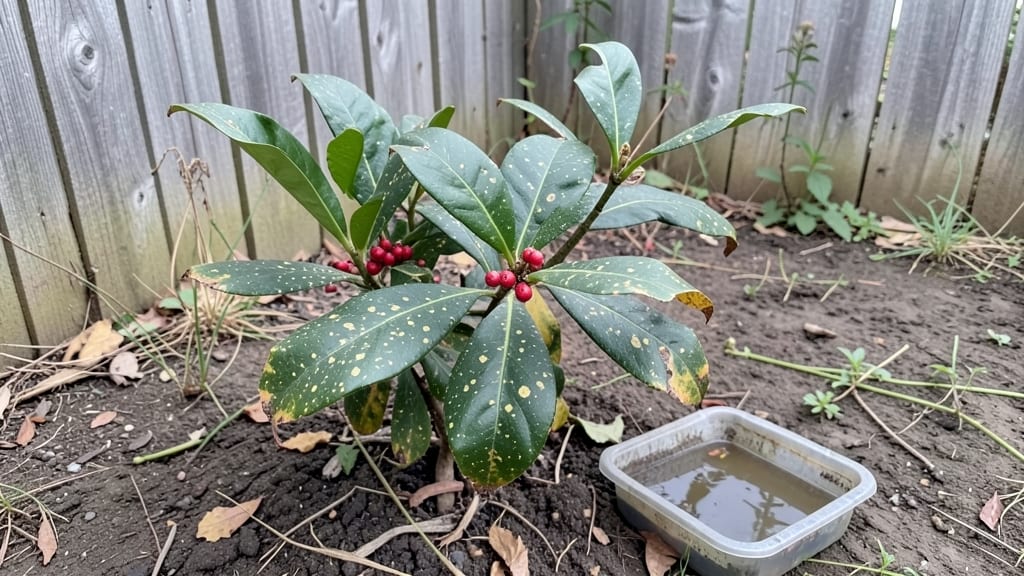
Fungal aucuba plant diseases turn these hardy shrubs into leafy shadows—yellowing, spots, and wilting that no amount of watering fixes. 🌿 I’ve nursed back more than my share of struggling aucubas, and the five fungal foes I’m about to show you appear in nearly every case where leaves start looking like they’ve been rained on with rust stains.
The worst offenders—powdery mildew, leaf spot, and root rot—love aucubas because their glossy leaves trap moisture, creating the perfect fungal buffet. But here’s the good news: most of these issues respond to simple fixes once you know what to look for.
A single spray with neem oil or baking soda mix can turn the tide if you catch it early, before the fungus spreads to the stems.
By the time you finish reading, you’ll spot the early warning signs—tiny black specks, fuzzy white coatings, or sudden leaf drop—and know exactly which organic remedy to grab first. No more guessing whether to prune or spray, just clear steps to revive your aucuba’s vibrant green glow.
Works for both container aucubas and those planted in shady garden beds. Let’s get those leaves healthy again—no mystery diseases allowed in your yard.
Root Causes Of Aucuba Struggles
Aucuba plants, with their glossy leaves and striking berries, are prized for their resilience—but even they aren’t immune to fungal threats. Understanding why these issues arise is the first step to prevention.
Below, we break down the primary triggers behind aucuba plant diseases, from environmental stressors to biological invaders, so you can address them before they take hold.
Fungal pathogens like Phytophthora and Botrytis thrive in soggy conditions, and aucubas are particularly vulnerable when their roots sit in waterlogged soil. Here’s why it happens:
- Compacted or Heavy Soil: Clay or poorly amended soil repels water, creating surface puddles that never dry. Roots suffocate, weakening the plant’s defenses. - Overwatering: Aucubas prefer moist but well-draining soil.
If you water on a rigid schedule (e.g., every 2 days regardless of weather) or use saucers that trap excess moisture, fungal spores latch onto damp foliage. - Lack of Mulch Management: Organic mulch breaks down over time, compacting the soil and trapping moisture.
If it’s piled too thick (over 3 inches), it smothers roots and encourages fungal growth.
💡 Pro Tip: Test your soil’s drainage by digging a 6-inch hole, filling it with water, and timing how long it takes to drain. If it’s slower than 4 hours, amend with perlite or compost.
Aucuba diseases often hitch a ride on spores from neighboring plants, wind, or even contaminated tools. Here’s how they spread:
- Contaminated Pruners or Pots: Fungal spores like Septoria (leaf spot) can linger on tools or reused containers.
If you prune infected leaves and then trim healthy branches, you’re essentially inoculating your plant. - Wind or Rain Splash: Spores from infected aucubas or nearby host plants (like azaleas or rhododendrons) can splash onto leaves during storms, creating entry points. - Poor Air Circulation: Dense foliage or crowded plantings trap humidity, giving spores a perfect environment to germinate.
Fungal diseases like anthracnose flourish in these stagnant conditions.
✨ Prevention Hack: Sterilize pruners with 70% isopropyl alcohol between cuts, and space aucubas at least 3 feet apart to improve airflow.
A weak aucuba is an open invitation for fungi. When the plant is starved or stressed, its natural defenses crumble. Common triggers include:
- Nitrogen Starvation: Yellowing leaves (chlorosis) signal a lack of nitrogen, which weakens cell walls—making them easier targets for pathogens like Alternaria. - Potassium or Calcium Deficits: These minerals strengthen cell membranes.
Without them, aucubas become more susceptible to root rot and leaf blights. - Environmental Stress: Sudden temperature swings (e.g., frost followed by heat) or full-sun exposure (aucubas prefer partial shade) shock the plant, leaving it vulnerable.
📊 Quick Fix: Conduct a soil test and supplement with a balanced fertilizer (10-10-10) in early spring. For stressed plants, a seaweed extract boost can help rebuild resilience.
Some aucuba diseases don’t strike directly—they hitch a ride on pests that chew or sap the plant. For example: - Scale Insects or Aphids: These pests excrete honeydew, a sugary film that attracts sooty mold fungi.
The mold coats leaves, blocking sunlight and further stressing the plant. - Spider Mites: Their feeding weakens leaf tissue, creating wounds where Cercospora (a leaf spot fungus) can invade. - Root Weevils: Larvae feed on roots, disrupting water uptake and making the aucuba more prone to Phytophthora root rot.
🔥 Action Step: Treat pest outbreaks immediately with neem oil or insecticidal soap, and remove heavily infested leaves to break the cycle.
Fungal diseases don’t attack randomly—they time their strikes with ideal conditions: - Spring Rains: Cool, wet springs (50–70°F) are prime time for anthracnose and Septoria spores to germinate. - Summer Humidity: Stagnant air (especially in containers) promotes powdery mildew on aucuba leaves. - Fall Leaf Debris: Old leaves harbor spores over winter.
If you don’t clean up fallen foliage, spring outbreaks are inevitable.
🎯 Seasonal Strategy:
- Spring: Apply a copper fungicide as a preventive spray before rains.
- Summer: Water in the early morning to reduce evening humidity.
- Fall: Rake and dispose of debris 3 feet around your aucuba to starve overwintering spores.
Quick Fixes for Aucuba Plant Troubles
When your aucuba plant starts showing signs of stress, acting fast can mean the difference between a full recovery and losing it. Below are practical, step-by-step solutions for the most common fungal diseases and pests affecting aucuba plants—plus prevention tips to keep your plant thriving.
Let’s get your aucuba back in shape!
Cause: Alternaria or Cercospora fungi thrive in damp, humid conditions.
How to Treat It
🔥 1. Remove Infected Leaves Immediately
- Snip off any leaves with dark brown or yellow spots using sterilized pruners (dip in rubbing alcohol between cuts).
- Dispose of them in the trash—do not compost to avoid spreading spores.
👨🍳 2. Apply a Fungicide - Use a copper-based fungicide (like Bonide Copper Fungicide) or a neem oil solution (1 tsp neem oil + 1 quart water + a drop of dish soap). - Spray both the top and underside of leaves thoroughly.
Reapply every 7–10 days until new growth appears.
🥘 3. Improve Air Circulation
- Thin out overcrowded foliage or move the plant to a sunnier spot (but avoid harsh afternoon sun).
- Use a small fan on low near the plant to reduce humidity around the leaves.
💡 Prevention Tips
- Water only at the base in the morning to allow leaves to dry quickly.
- Space aucuba plants at least 2–3 feet apart to prevent fungal spread.
- Avoid overhead watering—use a drip irrigation system or watering can with a narrow spout.
Cause: Erysiphe fungi love shady, humid environments.
How to Treat It
🔥 1. Wipe Off the Mildew Gently
- Dampen a soft cloth or sponge with water and rub off the white powder.
- For severe cases, mix 1 tbsp baking soda + 1 tsp dish soap + 1 gallon water and spray lightly.
🍳 2. Boost Fungicide Strength
- Switch to a sulfur-based fungicide (like Safer Brand Fungicide) or potassium bicarbonate spray (1 tsp per quart of water).
- Apply in the early morning or late evening to avoid burning leaves.
🌡️ 3. Adjust Growing Conditions
- Move the plant to bright, indirect light (aucubas tolerate shade but need airflow).
- Reduce humidity by grouping plants away from walls or using a dehumidifier in the room.
💡 Prevention Tips
- Prune for airflow—remove dense branches blocking sunlight.
- Water deeply but less frequently to avoid keeping soil soggy.
- Rotate the pot occasionally for even sun exposure.
Cause: Overwatering or poor drainage leads to Phytophthora or Pythium fungi.
How to Treat It
🔪 1. Check the Roots Immediately
- Gently remove the plant from its pot and inspect the roots. Healthy roots are firm; rotten roots are dark, mushy, and smelly.
- Trim away all black/mushy roots with sterilized scissors.
⏰ 2. Repot in Fresh, Dry Soil
- Use a well-draining potting mix (add perlite or orchid bark for aeration).
- Choose a terracotta pot (allows moisture to evaporate faster) or drill drainage holes if using plastic.
🥗 3. Adjust Watering Habits
- Let the top 1–2 inches of soil dry out before watering again.
- Use a moisture meter or the finger test (stick your finger in the soil—if it’s damp, wait).
💡 Prevention Tips
- Never let the plant sit in saucers of water—empty excess from the tray after watering.
- Avoid compacted soil—aucubas prefer slightly acidic, chunky mixes.
- Water at the base and avoid getting leaves wet to prevent fungal hitchhikers.
Cause: These pests thrive in dry, dusty conditions and suck plant sap.
How to Treat It
🌿 1. Blast Off Pests with Water
- Spray the plant thoroughly with water to dislodge mites and scale. Repeat daily for 3 days.
🎯 2. Use Insecticidal Soap or Oil
- Mix 1 tbsp insecticidal soap or horticultural oil per quart of water and spray under leaves where pests hide.
- Apply in the early morning to avoid harming beneficial insects.
✨ 3. Introduce Natural Predators (Optional)
- Release lacewings or ladybugs (available at garden centers) to eat mites naturally.
💡 Prevention Tips
- Mist the plant occasionally (mites hate humidity).
- Wipe leaves with a damp cloth weekly to remove dust (pests love hiding there).
- Quarantine new plants for 2 weeks before introducing them to your collection.
Final Pro Tip: 🌱 Strengthen your aucuba’s immunity by fertilizing with a balanced, water-soluble fertilizer (like 10-10-10) once a month in spring/summer. Healthy plants resist diseases better!
By following these targeted fixes, your aucuba should bounce back within 2–4 weeks. Stay vigilant, and your plant will reward you with lush, disease-free foliage for years!
Frequently asked questions about aucuba plant diseases
What are the first signs my aucuba has a fungal infection?
Look for tiny black or brown spots on leaves, powdery white coatings (powdery mildew), or yellowing between leaf veins. These often appear first on older leaves. If leaves also feel slimy or drop suddenly, root rot may be spreading.
Can I save an aucuba with root rot?
Yes, but act fast! Remove the plant, trim all black/mushy roots, repot in fresh, well-draining mix, and water only when the top 1-2 inches are dry. Use a terracotta pot to prevent future rot.
Why does my aucuba keep getting powdery mildew even after treatment?
Powdery mildew thrives in shady, humid conditions. Move your aucuba to bright indirect light and improve airflow by spacing plants 3 feet apart. Reapply fungicide every 7-10 days until new growth appears.
Is neem oil safe for all aucuba diseases?
Neem oil works against leaf spots and powdery mildew, but for root rot, use a copper fungicide instead. Always mix neem with dish soap (1 drop per quart) to help it stick to leaves.
How can I prevent aucuba diseases before they start?
Keep soil moist but well-draining, water at the base (not leaves), and sterilize pruners with rubbing alcohol. Remove fallen leaves yearly to eliminate spore sources.