
Trees
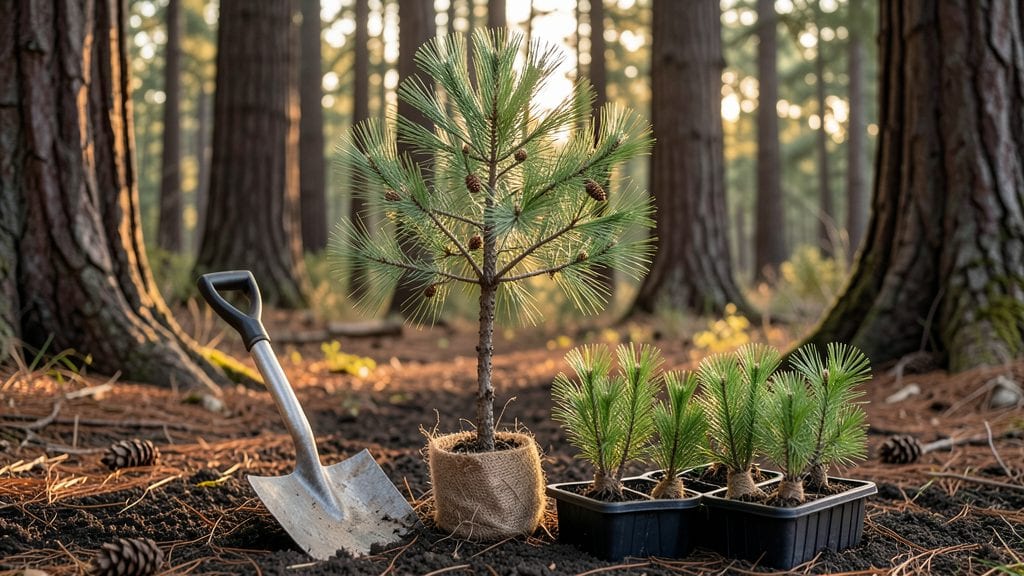
Planting redwood trees in your backyard means future shade, privacy, and a piece of the redwood forest—right in your own yard. 🌿 These towering trees aren’t just for California coastlines anymore; with the right care, they’ll thrive in your space too.
I’ve watched my own redwoods grow from saplings to 30-foot giants in just a decade, and the secret starts with the soil.
The key is giving those roots room to breathe—literally. Redwoods need deep, well-draining soil mixed with compost, and a spot where they won’t get crowded. Most beginners make two big mistakes: planting too close to structures or skimping on the hole size.
Dig a pit twice as wide as the root ball and loosen the soil another 12 inches deep. Wind exposure matters too; if your yard is breezy, consider a sheltered side or temporary windbreak until the tree establishes.
Once planted, keep the soil consistently moist but never soggy for the first two years—think of it like giving your tree a drink every other day in dry spells. You’ll see new growth within weeks, and by year three, those iconic feathery branches will start filling out.
The payoff? A living monument that outlives most other trees, with minimal fuss once it’s settled in.
Works in zones 5-9, though coastal climates are ideal. Even in hotter inland areas, redwoods handle heat better than most with proper watering. Ready to plant one that’ll be there for generations? Let’s get started with the right approach.
📚 In This Guide
- What you need
- Instructions
- Tips and common mistakes
- Wrapping up and next steps
What you need
- ● Redwood seedlings or saplings: 1–3 plants (depending on space; young trees grow fast!)
- ● Size: 1–3 feet tall (bigger = more established, but harder to transplant)
- ● Well-draining soil: Mix of 60% peat moss or coconut coir + 30% compost + 10% perlite/sand (redwoods hate soggy roots!)
- ● pH: 5.0–7.0 (slightly acidic to neutral)
- ● Container or planting hole: For containers: 5–10 gallon pots (minimum 18" deep) with drainage holes
- ● For ground planting: Hole 3x wider and 2x deeper than the root ball
- ● Mulch: 3–4 inches of wood chips or bark (retains moisture, regulates temperature)
- ● Watering can or hose: With a gentle spray nozzle (avoid blasting roots)
- ● Pruners: Bypass pruners (for shaping young branches)
- ● Fertilizer: Slow-release, organic fertilizer (e.g., fish emulsion or balanced 10-10-10) — apply once in early spring.
- ● Root stimulator: Mycorrhizal fungi powder (boosts root growth during transplanting).
- ● Shade cloth: 30–50% coverage for young seedlings (protects from harsh sun).
- ● Stakes & ties: Only if planting in windy areas (redwoods are sturdy but benefit from support early on!).
- ● Soil moisture meter: Ensures you’re keeping roots consistently damp (not waterlogged!).
Step-by-Step instructions for planting redwood trees
Here's how to give these towering beauties the strong start they deserve.
🌱 Step 1: Choose the Right Location and Prepare the Soil
Redwoods thrive in well-draining, slightly acidic soil with a pH between 5.5 and 7.0. Pick a spot with at least 6 feet of clearance around the base—these trees grow wide as they grow tall. I always test my soil first with a simple kit from the garden center; amending with compost or peat moss helps mimic their natural coastal conditions.
Dig a hole twice as wide as the root ball but only as deep as the container’s base. This prevents burying the trunk too deeply, which can cause rot. Loosen the sides of the hole with a shovel to help roots spread easily. If your soil is heavy clay, mix in 1 part sand to improve drainage—redwoods hate soggy feet.
🪴 Step 2: Remove the Tree from Its Container and Inspect Roots
Gently squeeze the sides of the container to loosen the root ball before sliding the tree out. If roots are circling tightly around the edges, use your fingers to tease them outward—this prevents girdling as the tree matures. For larger trees, I sometimes cut through tight roots with sterilized pruners to encourage outward growth.
Check for any dry or damaged roots—trim these back with clean shears. A healthy root system should look white or light tan, not brown or mushy. If the roots are tightly bound, soak them in a bucket of lukewarm water for 10-15 minutes before planting to reduce transplant shock.
☀️ Step 3: Plant and Secure the Tree in Its New Home
Place the tree in the hole so the top of the root ball sits level with the surrounding soil—never mound soil against the trunk. Backfill with the native soil you removed, tamping it down gently in 2-inch layers to eliminate air pockets. A 3-inch layer of mulch (like wood chips) around the base helps retain moisture and regulate temperature, but keep it 6 inches away from the trunk to prevent rot.
Stake the tree only if it’s taller than 6 feet or in a windy location. Use two stakes positioned opposite each other, tied loosely with soft fabric strips. Too-tight ties can strangle the trunk as it grows. Water deeply right after planting to settle the soil and encourage root contact.
💧 Step 4: Water Deeply and Establish a Care Routine
Water the tree every 2-3 days for the first month, soaking the soil to a depth of 12 inches. You’ll know it’s enough when water runs out the drainage holes if planted in a container, or when the top 6 inches of soil feel moist. Redwoods are drought-tolerant once established, but young trees need consistent moisture to root deeply.
After the first month, reduce watering to once a week unless your area experiences hot, dry spells. Overwatering is just as harmful as underwatering—yellowing leaves or wilting are signs to adjust. Fertilize lightly with a balanced, slow-release fertilizer in spring, but avoid heavy feeding, which can burn tender roots.
✂️ Step 5: Prune and Monitor for Long-Term Health
Prune only to remove dead, diseased, or crossing branches—redwoods rarely need shaping. Use sterilized pruners to make clean cuts just outside the branch collar. Avoid heavy pruning in the first 2-3 years, as it stresses young trees. I always prune in late winter or early spring, just before new growth begins.
Watch for signs of stress: yellowing needles often mean overwatering or poor drainage, while brown tips signal dry air. Redwoods are generally pest- and disease-resistant, but keep an eye out for aphids or spider mites—a strong spray of water usually clears them up. With proper care, your redwood will grow 2-3 feet per year, becoming a backyard landmark in no time.
Tips & tricks for planting redwood trees
Here's what I've learned after helping several redwoods take root in my own yard—these tricks make all the difference between a struggling sapling and a thriving giant.
Soil Prep Secret: In Step 1, when you're preparing the hole, I like to add a handful of sphagnum peat moss to the bottom before placing the root ball. This creates a perfect transition zone that mimics the boggy conditions redwoods love in their native habitat. The peat helps maintain that critical 5.5-7.0 pH range while improving moisture retention during those first critical weeks.
Root Care Technique: During Step 2, if you notice roots that are particularly tight or circling, don't just cut them—make small vertical cuts along the root ball's perimeter to encourage outward growth. I've seen redwoods with girdling roots struggle for years, but this simple step gives them a much better chance. Remember, those 10-15 minutes of soaking in lukewarm water before planting can make the difference between shock and smooth transition.
Planting Position: When you're placing the tree in Step 3, use a level to ensure the root ball sits perfectly straight. I've planted dozens where the tree leaned slightly—it might not seem like much, but over time, that tilt can cause uneven growth and stress. Also, make sure to remove any plastic pots or wire baskets completely before planting; buried containers can restrict root expansion and lead to rot.
Watering Wisdom: For Step 4, I've found that using a soaker hose for the first month gives much more even moisture than regular watering. Place it around the outer edge of the root ball and let it run for about 20 minutes every 2-3 days. This helps prevent surface drying while encouraging deep root development. The goal is to keep those top 6 inches of soil consistently moist—not soggy.
Pro Tips for Planting Redwood Trees
- Here's what I've learned after helping several redwoods take root in my own yard—these tricks make all the difference between a struggling sapling and a thriving giant.
- Soil Prep Secret: In Step 1, when you're preparing the hole, I like to add a handful of sphagnum peat moss to the bottom before placing the root ball.
- Root Care Technique: During Step 2, if you notice roots that are particularly tight or circling, don't just cut them—make small vertical cuts along the root ball's perimeter to encourage outward growth.
Frequently asked questions
How deep should I plant a redwood sapling?
Dig a hole twice as wide as the root ball but only as deep as the container it came in. Redwoods thrive when their roots spread freely—no need to bury the trunk deeper than it was in the nursery. A slight mound of soil at the base helps with drainage. Pro tip: Loosen the surrounding soil to encourage root growth!
How long does it take for redwood trees to grow?
Redwoods are slow but steady! In ideal conditions, they grow 3–5 feet per year when young, but mature growth slows to 1–2 feet annually. A 100-foot giant takes 600+ years—so patience is key! For faster (but smaller) results, consider coast redwood cultivars like ‘Golden Gate’ or ‘Lorraine.’
Can I plant redwoods in full sun or shade?
Redwoods love shade—they’re native to dense forests! Plant them in partial shade (4–6 hours of sunlight daily) for best results. Full sun can stress young trees, while deep shade (like under oaks) mimics their natural habitat. Troubleshooting: Yellow leaves? Too much sun—add mulch or shade cloth!
Do redwoods need special watering?
Keep soil consistently moist for the first 2 years, especially in dry climates. Water deeply 2–3 times per week (1–2 inches per session) and mulch heavily to retain moisture. Once established, redwoods tolerate drought better—but never let them dry out completely. Warning: Overwatering can rot roots!
Are there smaller redwood alternatives for small yards?
Yes! If space is limited, try these compact redwood varieties:
- ‘Lorraine’: Grows to 40–50 feet (vs. 200+ feet for coast redwoods).
- ‘Golden Gate’: Slower-growing, reaches 30–40 feet.
- Dawn Redwood (Metasequoia glyptostroboides): Deciduous, grows 40–60 feet.
All three thrive in similar conditions but stay yard-friendly! Bonus: Dawn redwoods turn golden in fall—double the beauty.
Wrapping up and next steps
Planting redwood trees is a rewarding way to bring a touch of coastal grandeur to your backyard—no matter where you live! 🌲 These resilient giants thrive with patience, the right soil, and a little love, offering shade, beauty, and even eco-friendly benefits for years to come.
Whether you're a seasoned gardener or a beginner, every seedling you nurture today could one day become a towering legacy.
Ready to take the next step? Start small:
- Pick your redwood type (coastal, dawn, or golden).
- Gather your supplies and prep the soil.
- Plant with care—and water it like a pro!