
Diseases
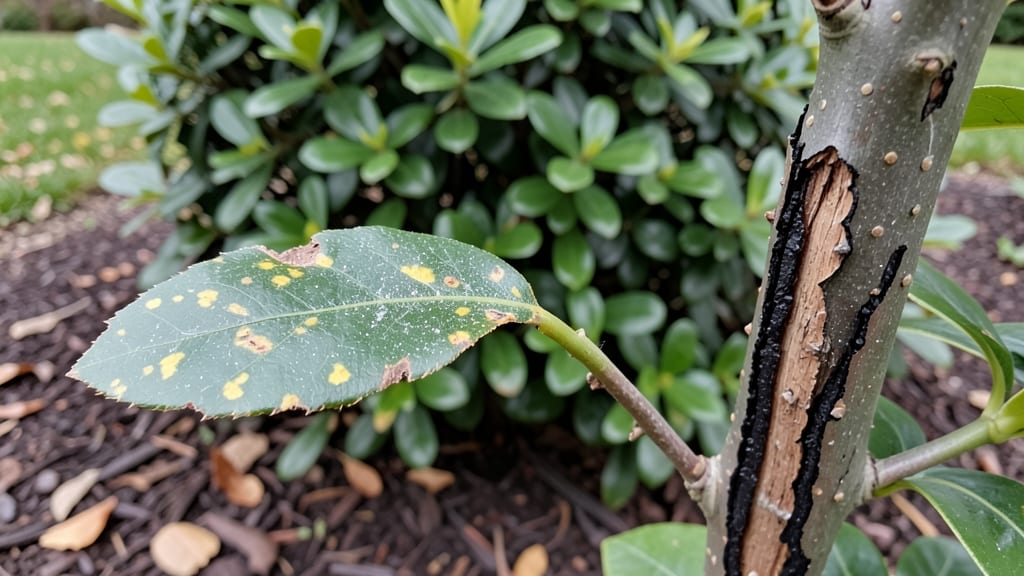
Boxwood plant diseases can turn your manicured hedges into a sad, brown mess if you don't catch them early. I've spent years diagnosing the sneaky signs—black leaf spots, wilting branches, and that telltale gray mold—that mean trouble for these tough little shrubs.
The good news? Most issues are fixable with the right approach, and I'll walk you through exactly what to look for and how to stop them before they spread.
Box blight and volutella blight are the top culprits, thriving in damp, shady conditions where air doesn't circulate. Root rot sneaks in when soil stays soggy too long, while powdery mildew leaves a chalky residue that's easy to mistake for dust.
The key is acting fast—once these diseases take hold, even organic treatments can't fully reverse the damage. I'll show you how to spot each one in its early stages, so you can treat it before your boxwoods look like they've been through a war.
You'll learn to mix up simple, effective organic sprays using ingredients you might already have—like neem oil, baking soda, or copper fungicide—that keep your boxwoods healthy without harsh chemicals.
Pruning techniques matter too: I'll cover when and how to cut back infected branches to prevent spreading, plus how to space plants properly for better airflow. With these strategies, your boxwoods will stay lush and green, year after year.
This isn't just about saving dying plants—it's about keeping your landscaping looking sharp with minimal effort. Whether you're dealing with a single infected shrub or a whole hedge, the methods here work for both small gardens and large properties. Let's get those boxwoods back in fighting shape.
Root Causes of Boxwood Decline
Boxwood plants are prized for their neat foliage and versatility in landscaping, but they’re also vulnerable to diseases that can turn lush greenery into a sad, skeletal shadow. Understanding why these issues arise is the first step to prevention and recovery.
Below, we break down the key culprits—from unseen pathogens to environmental stressors—that weaken boxwoods and invite trouble.
Fungi like Cylindrocladium (boxwood blight), Volutella (leaf spot), and Phytophthora (root rot) thrive in damp, shady conditions—perfect for dense boxwood hedges. Here’s how they exploit your plants:
- Overhead Watering: Fungal spores splash onto leaves from contaminated soil or mulch. 💡 Pro Tip: Water at the base, not overhead, to keep foliage dry.
- Poor Air Circulation: Tightly pruned hedges trap humidity, creating a fungal paradise. ✨ Fix: Prune for airflow and avoid shearing into old, diseased wood.
- Warm, Wet Weather: Fungi spread rapidly in temps between 60–80°F (15–27°C) with high humidity. 🌡️ Watch For: Leaf spots, brown edges, or black streaks on stems.
Why it matters: Fungal spores can survive in soil for years, reinfecting new plants. Sterilizing tools and removing infected debris is critical.
Bacteria like Xanthomonas campestris (bacterial leaf spot) or Pseudomonas syringae (canker) enter through wounds or natural openings (like stomata). They multiply when:
- Plants Are Stressed: Drought, nutrient deficiency, or physical damage (e.g., hail, pruning cuts) weaken defenses. 💪 Solution: Mulch to retain moisture and fertilize with balanced organic matter.
- Tools Are Contaminated: Pruners or shears carrying bacteria can spread infection. 🔪 Rule: Disinfect tools with 70% alcohol between cuts.
- Rain or Overwatering: Excess moisture dilutes natural bacterial inhibitors on leaves. 🌧️ Fix: Water in the morning so foliage dries by night.
Red flag: Bacterial infections often cause yellowing leaves with water-soaked spots that ooze when pressed.
Diseases don’t always come from pathogens—sometimes, your boxwood’s own environment is the problem. Common triggers include:
| Stressor | How It Weakens Plants | Actionable Fix |
|---|---|---|
| 🌑 Shade Overload | Reduces photosynthesis, making plants susceptible to fungal attacks. | Thin nearby trees or plant boxwoods in partial shade (4–6 hours of sun). |
| 💧 Compacted Soil | Restricts root growth, limiting nutrient uptake and drought resistance. | Aerate soil with organic matter (compost or pine bark). |
| 🍂 Poor Drainage | Leads to root rot (Phytophthora) by keeping roots waterlogged. | Amend soil with sand or gravel; avoid planting in low spots. |
🔥 Key Insight: Stressed boxwoods are 3x more likely to succumb to disease. Healthy plants resist pathogens better!
Insects like boxwood leafminers or scale insects don’t just eat leaves—they create entry points for infections. Their damage:
- Disrupts Leaf Function: Mines or sap-sucking pests reduce chlorophyll, weakening the plant.
- Spreads Pathogens: Some insects (like thrips) carry fungal spores on their bodies.
- Attracts Secondary Invaders: Honeydew from aphids fosters sooty mold, blocking sunlight.
Prevent pests: Use neem oil or introduce beneficial insects (like ladybugs) to keep populations in check.
Quick Fixes for Boxwood Ailments
When your boxwoods show signs of stress, acting fast can save them from permanent damage. Below are targeted, organic solutions for the most common boxwood diseases, paired with prevention tips to keep your shrubs thriving.
Each fix is designed to be practical, budget-friendly, and easy to implement—no fancy tools required!
Cause: Fungal spores thrive in wet, humid conditions, causing brown, sunken patches on leaves and stems.
How to Treat It: 🔥 Prune & Remove Infected Parts
- Use sterilized pruners (wipe with rubbing alcohol) to cut out all affected branches—at least 6 inches below the damage. Dispose of clippings in the trash (not compost).
- Do not compost infected plant material—this spreads spores!
🍳 Apply a Fungicide Spray - Mix 1 tbsp baking soda + 1 tsp horticultural oil + 1 quart water in a spray bottle.
Apply every 7–10 days until new growth appears. - For severe cases, use neem oil spray (1 tbsp neem oil + 1 tsp dish soap per quart of water). Spray early morning or evening to avoid burning leaves.
👨🍳 Improve Airflow & Drainage
- Thin out overcrowded plants to reduce humidity near foliage.
- Ensure pots or garden beds have well-draining soil—amend with compost or perlite if needed.
💡 Prevention Tip: ✨ Water at the base (avoid overhead sprinkling) and prune in dry weather to prevent fungal spread.
Cause: Tiny larvae burrow into leaves, creating white, squiggly trails and causing yellowing/browning.
How to Treat It: 🔪 Handpick & Destroy Larvae
- Inspect leaves daily (especially undersides) and squish larvae with gloves or rinse them off with water.
- Drop them into soapy water to kill them instantly.
🥘 Use Kaolin Clay Barrier
- Mix 1 tbsp kaolin clay + 1 quart water and spray on leaves. This unnatural taste deters egg-laying adults.
- Reapply every 2 weeks or after rain.
🌡️ Encourage Natural Predators
- Attract ladybugs and parasitic wasps by planting marigolds or dill nearby—they feast on leaf miners!
🎯 Prevention Tip: 💡 Cover young plants with fine mesh netting if miners are a recurring issue.
Cause: Fungal canker diseases create sunken, dead patches on stems, often leading to branch dieback.
How to Treat It: ⏰ Prune Strategically
- Remove entire infected branches (not just the damaged parts) using sterilized tools.
- Make cuts just outside the canker at a 45-degree angle to prevent water pooling.
🍎 Seal Cuts with Organic Wound Dressing
- Apply pruning sealant made from beeswax or tree pitch to cuts to block fungal entry.
- Avoid plastic-based sealants—they trap moisture.
📊 Boost Plant Immunity
- Feed with compost tea or fish emulsion (diluted to 1 tbsp per gallon of water) every 4 weeks to strengthen roots.
- Mulch heavily (3–4 inches) with wood chips to protect roots from stress.
🔥 Prevention Tip: 🌡️ Avoid wounding plants—use proper pruning techniques and water deeply but infrequently to reduce stress.
- Space plants 3–4 feet apart for airflow.
- Avoid wetting foliage—use drip irrigation or soaker hoses.
- Rotate pruning tools between plants to prevent cross-contamination.
- Test soil pH (ideal: 6.0–7.0)—acidic soil weakens defenses.
Final Note: Most boxwood diseases are preventable with good hygiene and proactive care. If symptoms persist, consult a local extension office for soil testing or advanced organic treatments. Your boxwoods will thank you with lush, disease-free growth! 🌿✨
Frequently asked questions about boxwood plant diseases
What are the most common signs of boxwood blight?
Look for dark brown or black spots with yellow halos on leaves, followed by wilting and dieback of branches. Infected stems may develop black streaks, and leaves often curl or drop prematurely. This fungal disease spreads rapidly in wet conditions, so act quickly by removing infected parts and improving airflow.
Can I save my boxwoods if they already have volutella blight?
Yes, but early action is critical. Prune out all infected branches (cut 6 inches below visible damage) and sterilize your tools with rubbing alcohol. Apply a copper fungicide spray (like Bordeaux mixture) or a neem oil solution every 10-14 days for 3-4 weeks. Improve spacing between plants to reduce humidity.
Why do my boxwoods get root rot even with regular watering?
Root rot thrives when soil stays waterlogged for more than 24 hours. Check if your planting area has poor drainage—boxwoods need soil that drains within 6 hours after watering. Amend heavy clay soil with sand or perlite, and avoid planting in low spots where water pools. Mulch lightly (1-2 inches) to prevent soil compaction.
Is it safe to use chemical fungicides on boxwoods?
Chemical fungicides like propiconazole or chlorothalonil can work for severe infections, but they may harm beneficial insects and require careful handling. For organic gardens, copper-based sprays or hydrogen peroxide (3%) (mixed 1:1 with water) are safer alternatives. Always follow label instructions and reapply after rain.
How can I prevent boxwood diseases before they start?
Focus on 3 key practices: proper spacing (3-4 feet apart), watering at the base (never overhead), and sterilizing pruners between cuts. Use drip irrigation instead of sprinklers, and prune in dry weather to avoid spreading spores. Apply a preventative spray (like neem oil) every 4-6 weeks during humid months.