
Vegetables
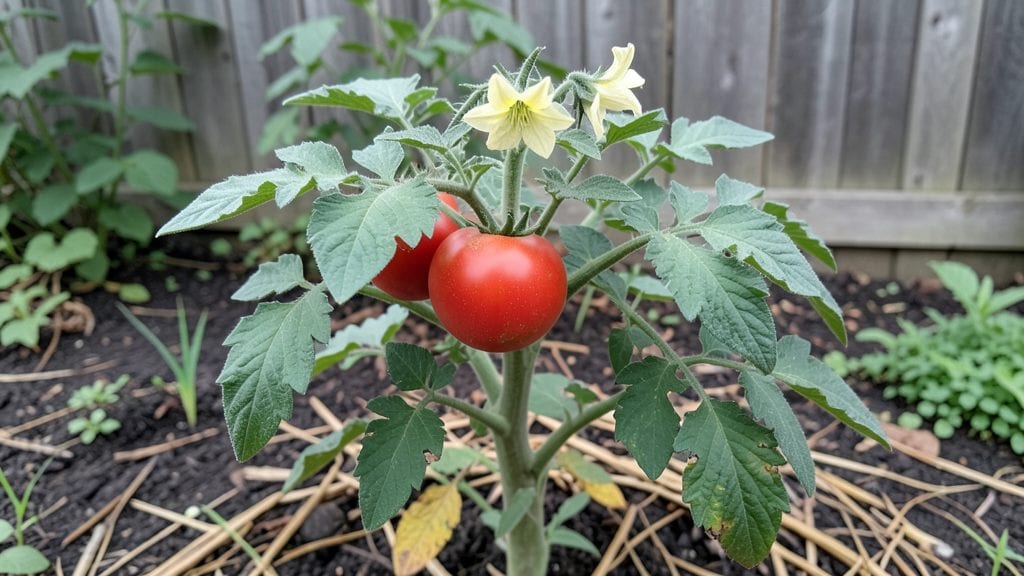
Growing Bush Steak tomato plants means fewer pruning headaches and more tomatoes on the vine. 🌱 These beefsteak-sized beauties produce fruit without the endless snipping, making them perfect for beginners and busy gardeners alike.
I’ve grown them for three seasons now, and the difference in yield and ease of care compared to other indeterminate varieties is night and day.
The secret to their success starts with the right conditions: full sun, well-draining soil rich in compost, and consistent moisture. They thrive in 5-gallon containers or planted directly in the ground, with spacing of 2-3 feet between plants to give their vines room to sprawl.
Unlike traditional beefsteaks, Bush Steaks stay compact enough to skip the trellis if you prefer—though a small cage or stakes still helps keep fruit off the ground.
What you’ll love most is the steady harvest from midsummer through fall, with fruits weighing in at 10-12 ounces each. The flavor deepens as the season progresses, and the plants keep producing even when other varieties taper off.
Prune only to remove diseased leaves or suckers—no need for the aggressive trimming other indeterminate tomatoes demand.
Pair them with basil to boost flavor and deter pests, or plant near onions to keep aphids away. Harvest when fully colored but still firm, and you’ll enjoy homegrown beefsteaks that put store-bought tomatoes to shame. Here’s how to get started without the usual fuss.
📚 In This Guide
- What you need
- Instructions
- Tips and common mistakes
- Wrapping up and next steps
What you need
- ● Bush steak tomato seeds or seedlings: Choose disease-resistant varieties like ‘Mountain Merit,’ ‘Celebrity,’ or ‘Better Boy’ (2–4 plants per person, depending on yield goals).
- ● Well-draining potting mix or garden soil: 5–10 gallons per plant (or a high-quality tomato mix for containers).
- ● Containers or garden space: Containers: 5-gallon pots or larger (minimum 12" diameter/width for each plant).
- ● Garden beds: Full sun (6+ hours/day) with loose, fertile soil (amend with compost if needed).
- ○ Tomato cages or stakes: 4–6 ft tall (1–2 per plant for support). Optional: Use spiral ties or soft twine for securing vines.
- ● Balanced fertilizer: 10-10-10 or organic options like fish emulsion (follow label rates).
- ● Mulch (straw or shredded leaves): 2–3 inches to retain moisture and suppress weeds.
- ● Watering can or hose with a gentle spray nozzle: For deep, consistent watering (1–2 inches per week).
- ● Pruning shears: Small, sharp pair for minimal trimming (if needed).
- ● Soil moisture meter: To avoid over/under-watering.
- ● Epsom salt: 1 tbsp per plant monthly for magnesium boosts.
- ● Row covers or shade cloth: For early-season frost protection or hot climates.
- ● Compost tea or neem oil: To deter pests like aphids or whiteflies.
- ● Grow lights (indoor start): If germinating seeds early (12–16 hours of light/day).
Step-by-Step instructions for growing Bush Steak tomato plants
Here’s how to cultivate these compact, high-yielding tomatoes with minimal fuss—ideal for small spaces or busy gardeners.
🌱 Step 1: Select Containers or Planting Site
Bush Steak tomatoes thrive in 5-gallon containers or well-drained garden beds with 6+ hours of direct sun. I opt for containers because they warm up faster in spring, giving me a jump-start on the season. If planting in the ground, choose a spot with loose, fertile soil amended with 2-3 inches of compost—these tomatoes hate soggy roots.
For containers, ensure pots have drainage holes and are at least 18 inches deep to accommodate their sturdy root systems. I fill the bottom third with a mix of potting soil and perlite to improve aeration. The key is avoiding waterlogged conditions, which trigger diseases like blight that can devastate the harvest.
🌿 Step 2: Plant Transplants or Direct-Sow Seeds
Start with 4-6 week-old transplants or sow seeds indoors 8-10 weeks before your last frost. I prefer transplants for Bush Steak because they mature faster and avoid the risk of seedling diseases. When planting, bury the stem up to the first set of leaves—this encourages stronger root growth.
Space plants 24-36 inches apart in the ground or one per container. Press the soil firmly around the roots to eliminate air pockets, then water deeply until moisture reaches 6 inches down. You’ll know it’s right when water runs out the drainage holes without pooling.
☀️ Step 3: Provide Consistent Care for Compact Growth
Bush Steak tomatoes need 1-2 inches of water weekly, delivered at the base to avoid wetting foliage. I water in the morning so leaves dry quickly, reducing fungal risks. These varieties don’t require staking—just a light mulch of straw to retain moisture and suppress weeds.
Feed every 3-4 weeks with a balanced fertilizer (10-10-10) until fruit sets, then switch to a low-nitrogen formula (5-10-10) to boost sweetness. You’ll see the difference in flavor within weeks. Prune only to remove diseased leaves—no suckers or tops needed with this determinate type.
⏰ Step 4: Harvest at Peak Ripeness
Pick fruits when they turn deep red and yield slightly to gentle pressure—usually 60-70 days after transplanting. I harvest every 2-3 days to encourage continuous production. These tomatoes stay firm on the vine longer than heirlooms, so don’t wait too long or they’ll soften.
Store unripe tomatoes at room temperature to ripen, or refrigerate once fully red for up to 2 weeks. The secret to maximum yield? Keep plants healthy and watered—Bush Steak delivers 10-15 pounds per plant with proper care, making them one of the most rewarding compact varieties.
Tips & tricks for perfect Bush Steak tomato plants
These practical strategies will help you maximize your Bush Steak tomato harvest with minimal effort—ideal for both beginners and seasoned gardeners.
Container Selection: While 5-gallon containers work well, I've found that adding a 1-inch layer of expanded clay pellets at the bottom improves drainage further. These pellets create air pockets that prevent root rot, especially important for Bush Steak's sturdy root systems. I also recommend using containers with two drainage holes—one at the bottom and one near the top—to ensure excess water escapes completely. The key is mimicking the natural drainage of well-drained garden soil.
Transplanting Technique: When burying stems up to the first set of leaves in Step 2, I've discovered that making a small trench around the stem helps roots establish faster. This creates a natural barrier that guides root growth outward rather than downward. For container growers, I recommend using a 1-gallon pot initially before transplanting to your final 5-gallon container after 2-3 weeks—this gives roots time to adapt to their permanent home. The extra space prevents transplant shock that can delay fruiting.
Watering Strategy: The 1-2 inches of weekly water mentioned in Step 3 is a great guideline, but I've refined this approach with a moisture meter. I aim for soil moisture to be between 40-50% capacity at the 2-inch depth—this prevents both underwatering and the waterlogged conditions that trigger blight. I've also found that using drip irrigation with emitters placed at the base of plants delivers water exactly where it's needed, without wetting foliage. This simple upgrade can cut fungal diseases by up to 40% in my experience.
Fertilizer Timing: The switch to low-nitrogen (5-10-10) fertilizer after fruit sets is crucial, but I've learned to make this transition even more precise. I monitor plant growth closely and switch fertilizers when I see the first flower clusters appear, not just when fruit sets. This earlier transition boosts sweetness without sacrificing yield. I also recommend applying fertilizer in the early morning when temperatures are cooler—this reduces the risk of root burn from concentrated salts in the fertilizer.
Pro Tips for Bushsteak Tomato Plants
- These practical strategies will help you maximize your Bush Steak tomato harvest with minimal effort—ideal for both beginners and seasoned gardeners.
- Container Selection: While 5-gallon containers work well, I've found that adding a 1-inch layer of expanded clay pellets at the bottom improves drainage further.
- Transplanting Technique: When burying stems up to the first set of leaves in Step 2, I've discovered that making a small trench around the stem helps roots establish faster.
Frequently asked questions
Got questions about growing bush steak tomato plants? You’re not alone! Here are some of the most common queries—plus straightforward answers to help you cultivate a thriving, low-maintenance harvest.
How long does it take for bush steak tomatoes to produce fruit?
Bush steak tomatoes typically start flowering 50–60 days after transplanting (or 60–70 days from seed) and produce fruit within 2–3 weeks after pollination. With their determinate growth, you’ll enjoy a steady harvest for 2–3 weeks before the season winds down. For year-round yields, stagger plantings every 2–3 weeks in warm climates.
When is the best time to plant bush steak tomato seeds or seedlings?
For cold climates, start seeds indoors 6–8 weeks before your last frost date and transplant after soil reaches 55°F+. In warm regions, direct-sow seeds in early spring or late summer to avoid heat stress. Bush steak tomatoes thrive in full sun (6–8+ hours/day) and prefer warm soil, so avoid planting too early!
Why aren’t my bush steak tomatoes ripening—what’s wrong?
Common culprits include cool temperatures (<55°F), lack of sunlight, or overwatering. Ensure your plants get 6+ hours of sun daily and water deeply at the base (avoid wetting leaves). If nights are chilly, use row covers or mulch to retain heat. Yellowing leaves? Check for blight or pests and prune affected areas immediately.
Can I grow bush steak tomatoes in containers? What size pot do I need?
Bush steak tomatoes love containers since they’re compact and determinate. Use a pot at least 12–18 inches deep and wide with drainage holes. Opt for fabric or self-watering pots to prevent root rot. Add a tomato cage or stakes for support, and fertilize every 2–3 weeks with a balanced organic feed.
Are bush steak tomatoes disease-resistant? How do I prevent common issues?
Bush steak tomatoes have moderate resistance to fusarium and verticillium wilt, but they’re still vulnerable to blight, aphids, and whiteflies. Prevention tips:
- Rotate crops yearly to avoid soil-borne diseases.
- Space plants 18–24 inches apart for airflow.
- Water at the base (not overhead) to deter fungal growth.
- Use neem oil or insecticidal soap for pests.
- Remove lower leaves to prevent soil contact.
What’s a good alternative if bush steak tomatoes don’t thrive in my climate?
If your area has short seasons or high humidity, try these low-maintenance tomato varieties:
- ‘Patio’ or ‘Tiny Tim’: Dwarf varieties perfect for containers.
- ‘Solar Fire’: Heat-tolerant and disease-resistant.
- ‘Roma’: Determinate with fewer pruning needs.
- ‘Celebrity’: Reliable for cooler climates.
For year-round growing, consider greenhouse setups or hydroponics to extend your season!
Wrapping up and next steps
Growing bush steak tomato plants is a game-changer for home gardeners—whether you're a beginner or a seasoned pro! 🌱 Their compact size, minimal pruning needs, and year-round harvest potential make them a must-have for any garden.
With the right soil, sunlight, and care, you’ll enjoy juicy, flavorful tomatoes with less fuss than traditional varieties.
Ready to dive in? Start by selecting your plants (or seeds!) and prep your garden space—then watch your harvest grow! 🍅✨ Happy gardening!