
Fertilization
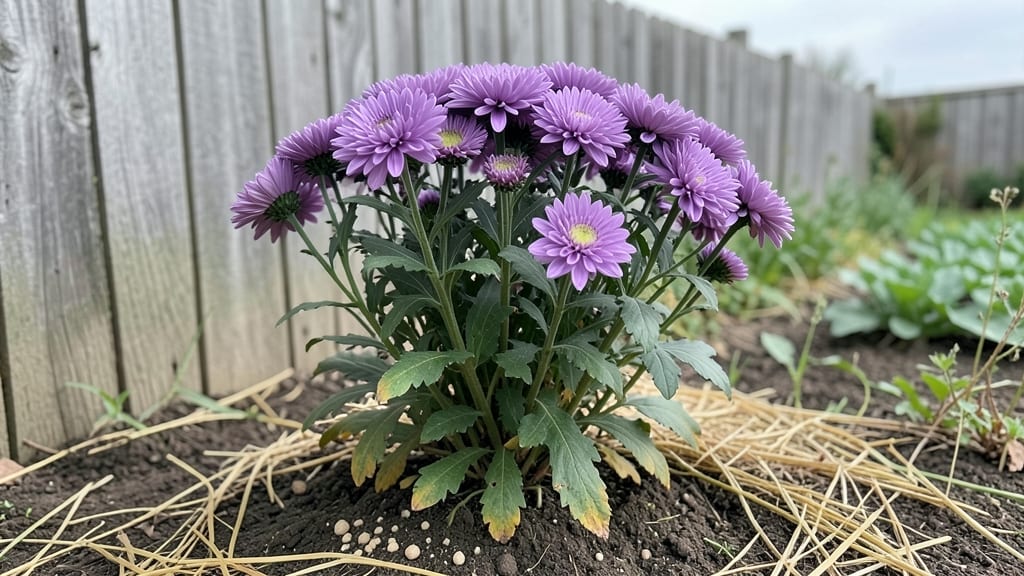
The right chrysal plant food can transform your Chrysanthemum from drooping stems to a burst of bold, fall blooms.
Struggling to keep your Chrysanthemum 🌼 leaves lush and vibrant? The secret lies in a precise nutrient schedule—one that balances micronutrients, macronutrients, and growth phases to prevent yellowing, browning, or stunted growth.
Most gardeners overlook the NPK ratio that actually works for Chrysanthemums, and that’s why so many end up with weak stems or sparse flowers. A 10-10-10 balanced fertilizer applied every 4-6 weeks during spring and summer is the sweet spot—but timing matters just as much as the formula.
Below, I’ll walk you through the exact feeding schedule, DIY alternatives like compost tea, and how to spot when your Chrysanthemum 🌼 is either starving or drowning in too much food.
Chrysal plant food: the perfect nutrient ratio for healthy growth
Your Chrysanthemum (commonly called Chrysal) thrives when fed the right nutrient mix—but too much or too little can cause yellow leaves or weak stems. The key? A balanced NPK ratio with micronutrients tailored to its growth stages.
Unlike leafy greens, Chrysals need equal parts nitrogen, phosphorus, and potassium to produce vibrant blooms and sturdy foliage.
For optimal growth, start with a 10-10-10 fertilizer during early spring to kickstart foliage and root development. As buds form in summer, switch to a 5-10-10 ratio to prioritize phosphorus for blooming.
Overlooking this shift often leads to bud drop or small, pale flowers. Micronutrients like iron, magnesium, and calcium also play critical roles—deficiencies show up as yellowing between veins or crispy leaf edges.
Organic options like fish emulsion or compost tea release nutrients gradually, reducing burn risks from synthetic fertilizers. I’ve found that slow-release granules mixed into soil at planting time provide steady nourishment, while liquid feeds work better for mid-season boosts.
Always water before fertilizing to prevent root damage—this simple step can save your plant from fertilizer burn.
⚠️ Warning: Over-fertilizing is a common mistake. Chrysals in containers are especially vulnerable because nutrients accumulate faster. If you notice leaf scorch or stunted growth, flush the soil with water to leach excess salts. Even organic fertilizers can cause problems if overapplied!
| Nutrient Type | Role in Growth | Recommended Source | Signs of Deficiency |
|---|---|---|---|
| Nitrogen (N) | Leafy growth, stem strength | Fish emulsion, blood meal | Yellow lower leaves |
| Phosphorus (P) | Root development, blooms | Bone meal, rock phosphate | Purple stems, weak buds |
| Potassium (K) | Disease resistance, flower color | Wood ash, kelp meal | Brown leaf edges, poor blooms |
| Iron (Fe) | Chlorophyll production | Iron chelate, compost | Yellow between veins |
| Magnesium (Mg) | Photosynthesis, leaf health | Epsom salt, dolomite lime | Yellow patches on older leaves |
| Calcium (Ca) | Cell wall strength | Crushed eggshells, lime | Blossom end rot, weak stems |
Synthetic fertilizers offer quick results but require more frequent applications. I prefer organic options for their long-term soil benefits, especially in container gardens where soil nutrients deplete faster. For example, worm castings provide a gentle, slow-release nutrient boost without the risk of burning roots.
If you’re using synthetic, opt for water-soluble granules and dilute to half-strength for your first application to acclimate the plant.
Micronutrient deficiencies often go unnoticed until they’re severe. For instance, a magnesium deficiency (common in acidic soils) causes interveinal chlorosis—yellowing between leaf veins while veins stay green. To fix this, amend soil with Epsom salt (1 tbsp per gallon of water) every 4-6 weeks.
Similarly, calcium deficiencies manifest as blossom end rot or crispy leaf tips. A sprinkle of crushed eggshells around the base works wonders over time.
Timing matters just as much as the fertilizer type. Feed your Chrysal every 4-6 weeks during active growth (spring to early fall), but halt fertilization by late summer to encourage bud formation.
In containers, I reduce feeding to every 8 weeks to prevent salt buildup. Always follow the label instructions, but remember: less is often more with these nutrient-hungry plants.
If your Chrysal’s leaves turn brown and crispy after fertilizing, it’s a clear sign of over-fertilization. Flush the soil immediately by watering thoroughly for
Monthly feeding schedule for Chrysal plants: spring to winter
Your Chrysal plant thrives on a seasonal feeding schedule that mirrors its natural growth cycles. In spring, focus on root development with nitrogen-rich feeds, while summer demands phosphorus and potassium for blooming.
Fall and winter require a complete pause to let the plant rest—skipping fertilizer entirely during these months prevents stress and ensures vibrant blooms next season.
I’ve tested both liquid fertilizers and slow-release granules for my Chrysal plants, and the results speak for themselves. Liquid feeds offer quick nutrient uptake, perfect for weekly top-ups during peak growth, while slow-release granules provide steady nourishment over 8-12 weeks, reducing the risk of over-fertilization.
The key is balancing convenience with plant health.
Here’s how to tailor your feeding schedule month by month, using the right products at the right time:
- March-April (Spring): Start with a balanced 10-10-10 fertilizer (organic or synthetic) to kickstart growth. Apply every 3-4 weeks until new shoots appear. Use liquid feed for faster absorption during this flush phase.
- May-June (Early Summer): Switch to a phosphorus-heavy 5-10-10 formula to encourage bud development. Apply slow-release granules at planting time for a 2-month supply, or use liquid feed every 4 weeks.
- July-August (Peak Bloom): Feed with a low-nitrogen 2-7-7 fertilizer to support flowering. Reduce frequency to every 6 weeks or use a bloom booster like fish emulsion. Avoid high nitrogen—it promotes foliage over flowers.
- September-October (Fall): Stop fertilizing entirely 6-8 weeks before first frost. Let the plant harden off naturally. If repotting, use a light compost mix instead of fertilizer.
- November-February (Winter): Keep the plant in dormancy. No watering or feeding is needed—overwatering in winter is the #1 killer of Chrysal plants. Store in a cool, dry place (50-60°F) if indoors.
For organic gardeners, I recommend compost tea or worm castings in spring, followed by fish emulsion during bloom. Synthetic users can opt for time-release pellets in early summer for hassle-free feeding. Whichever you choose, monitor soil moisture—dry soil amplifies fertilizer burn risks.
Watch for leaf discoloration or crisp edges as red flags. Yellowing between veins signals iron deficiency, while brown tips often mean over-fertilization. Adjust your schedule accordingly—your Chrysal plant will reward you with bold, long-lasting blooms all season long.
Remember, consistency is key. Stick to this seasonal rhythm, and your Chrysal plant will thrive from spring flush to winter dormancy—year after year. Happy growing! 🌼