
Vegetables
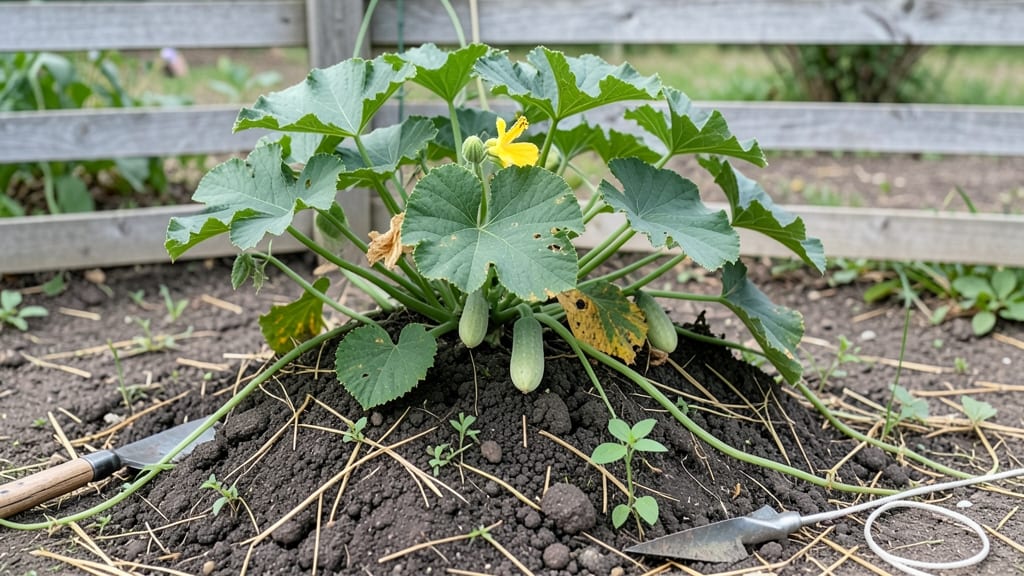
Planting cucumbers on hills isn’t just a trick—it’s the secret to disease-resistant vines and heavier harvests than flat beds. 🌱 I learned this after watching my cucumbers rot in soggy soil last summer, and now my hillside plot produces twice as much with half the effort.
The raised mounds improve drainage, keep roots cool, and make weeding a breeze.
The setup is simpler than you’d think: mound soil into 12-inch-tall hills spaced 3–4 feet apart, then plant 2–3 seeds per hill. No fancy tools—just a shovel, compost, and a sunny spot.
Once planted, mulch with straw to retain moisture and deter weeds, and watch those vines climb toward the sky instead of sprawling in the dirt.
By mid-summer, you’ll be harvesting crisp, straight cucumbers that stay off the ground where pests can’t reach them. The hills also warm up faster in spring, giving your plants a head start. Trellising optional, but if you add one, you’ll save space and get even longer, straighter fruits.
Works in any sunny yard, from small backyards to large plots. The key is keeping those hills loose and well-draining—no more drowned roots or blighted leaves. Ready to try it this season?
📚 In This Guide
- What you need
- Instructions
- Tips and common mistakes
- Wrapping up and next steps
What you need
- ● Cucumber seeds or seedlings: Choose disease-resistant varieties like 'Straight Eight' or 'Marketmore' (10–20 plants, depending on hill size).
- ● Well-draining soil: Mix garden soil with compost (ratio: 3 parts soil to 1 part compost).
- ● Organic fertilizer: 5-10-10 or balanced veggie blend (1–2 cups per hill).
- ● Mulch: Straw or shredded leaves (2–3 inches thick) to retain moisture.
- ● Trellis or stakes: 4–6 ft tall (for vining varieties).
- ● Watering can or hose: With a gentle spray nozzle.
- ● Garden gloves: For easy handling.
- ● Row covers (to protect from pests).
- ● Drip irrigation kit (for consistent watering).
- ● Epsom salt (1 tbsp per plant for magnesium boost).
- ● Pruning shears (to manage growth).
- ● Shade cloth (if planting in scorching heat).
Step-by-Step guide for planting cucumbers on hillsides
Here's how to transform a sunny slope into a productive cucumber patch.
🌱 Step 1: Prepare the Hillside for Planting
Start by clearing the area of rocks, weeds, and debris—cucumbers need room to sprawl and won't compete with invasive plants. Use the shovel to loosen the top 6-8 inches of soil along the hillside, breaking up any compacted layers. I like to work in 3-foot-wide strips to avoid overwhelming myself.
If your soil feels heavy or clay-like, mix in the 2-3 inches of compost evenly across the prepared area. This improves drainage and gives roots the nutrients they crave. Tap the soil lightly with the back of the shovel to settle it, then smooth the surface with your hands. The goal is loose, crumbly soil that won't resist young roots.
🪴 Step 2: Create Planting Mounds
Using the shovel, form 12-inch-tall mounds spaced 3-4 feet apart along the contour of the hill. These mounds prevent erosion and give cucumbers' shallow roots room to breathe. I shape each mound slightly taller than 12 inches so they have a broad base for stability.
Leave 2-3 feet of space between each mound to allow for vines to spread. Place a small handful of compost on top of each mound before planting—this gives seedlings an instant nutrient boost. Water each mound lightly to settle the soil and remove any air pockets that could trap roots.
☀️ Step 3: Plant Seeds or Transplants
For seeds, plant 2-3 seeds per mound at a depth of ½ inch, pressing them gently into the soil. Cover lightly with additional soil and water immediately to help them settle. If using transplants, dig a hole the same depth as the root ball, place the plant in the center, and firm soil around the base.
I always plant seeds in the late afternoon to reduce stress on the seedlings. Water again after planting to ensure good soil contact. If you're planting on a steep slope, consider using mulch fabric to hold soil in place while roots establish.
💧 Step 4: Water and Mulch for Retention
Water each mound deeply until the soil is 6 inches wet—this encourages roots to grow downward for stability. Use the hose with a gentle spray nozzle to avoid eroding the soil. After watering, spread the 2-3 inches of mulch evenly around the base of each mound, leaving a 1-inch gap around the stems.
The mulch keeps soil moist, suppresses weeds, and prevents erosion from rain or irrigation. I like to use straw because it breaks down slowly and adds organic matter as it decomposes. Water again lightly to settle the mulch in place.
✂️ Step 5: Train Vines and Maintain the Hillside
As vines grow, gently guide them up the hill using twine or small stakes if needed. Cucumbers are vigorous climbers, and training them upward saves space and improves airflow. I prune any vines that grow downhill to prevent erosion and focus energy on upward growth.
Water 1-2 inches per week, more during dry spells, and always direct water at the base of the plants to avoid washing away soil. Check for pests weekly—aphids and cucumber beetles are common on hillsides. Remove affected leaves immediately to protect your harvest.
Tips & tricks for perfect cucumber hill planting
Transforming a sunny hillside into a thriving cucumber garden takes the right approach—here's how to avoid common pitfalls and maximize your harvest.
Soil Preparation Secret: In Step 1, don't just loosen the top 6-8 inches—work the compost into the soil until it's completely blended. I like to use a garden fork to mix it in, which creates those tiny air pockets cucumber roots love. The goal is soil so light and crumbly that it falls apart when you squeeze it. This prevents compaction that can strangle young roots, especially on slopes where erosion is a risk.
Mound Stability Tip: When creating your 12-inch-tall mounds in Step 2, pack the soil firmly as you build them. I use the back of my shovel to gently tamp down each layer—this prevents the mounds from flattening under the weight of growing vines. For extra stability on steep hills, I like to shape them slightly wider at the base than at the top, almost like a pyramid. This gives them better balance against gravity.
Planting Timing Strategy: The late afternoon planting time in Step 3 isn't just about reducing stress—it's about giving seedlings a head start. Planting when temperatures are cooling helps prevent moisture loss from the soil. I also recommend planting on a cloudy day if possible, as direct sunlight can stress young plants. If you must plant in full sun, do it during a heatwave and provide shade cloth for the first few days.
Mulch Layering Technique: For the 2-3 inches of mulch in Step 4, I create two layers: first a thin layer of straw directly against the stems (about ½ inch), then the full 2-3 inches around the base. This prevents stem rot while still suppressing weeds. I also like to leave a small gap between the mulch and plant stems to allow air circulation, which reduces disease risk. The straw breaks down slowly, adding nutrients exactly when your cucumbers need them most.
Pro Tips for Cucumber Hill Planting
- Transforming a sunny hillside into a thriving cucumber garden takes the right approach—here's how to avoid common pitfalls and maximize your harvest.
- Soil Preparation Secret: In Step 1, don't just loosen the top 6-8 inches—work the compost into the soil until it's completely blended.
- Mound Stability Tip: When creating your 12-inch-tall mounds in Step 2, pack the soil firmly as you build them.
Frequently asked questions
Got questions about growing cucumbers on hillsides? You’re not alone! Here are answers to the most common queries to help you master cucumber hill planting like a pro.
When is the best time to plant cucumbers on a hill?
For most climates, plant cucumbers after the last frost when soil temps reach at least 60°F (15°C). In warmer regions, aim for spring or early summer—just avoid extreme heat (above 90°F/32°C), which can stress young plants. If you’re in a short-season area, opt for bush varieties or use row covers for a head start!
How long does it take for cucumbers to grow on a hill?
With proper care, cucumbers on hillsides typically 50–70 days to mature, depending on the variety. Bush types may fruit faster (45–55 days), while vining varieties take longer. Key factors like sunlight, soil fertility, and watering speed up harvests—so monitor your plants closely!
Why aren’t my hillside cucumbers thriving?
Hillside challenges? Check these fixes:
- Poor drainage: Amend soil with compost or sand to prevent root rot.
- Inconsistent watering: Hillsides dry fast—water deeply 2–3x/week at the base.
- Pests/sunburn: Use shade cloth for young plants or apply organic pesticides.
- Nutrient deficiency: Side-dress with compost or a balanced fertilizer every 3–4 weeks.
Can I grow cucumbers on a hill without trellises?
Bush varieties
(like ‘Bush Champion’) thrive on hillsides without support. For vining types, use low wire hoops or stakes to guide growth upward and save space. Bonus: Hill planting naturally improves airflow, reducing disease risk—just ensure plants aren’t overcrowded!
What can I plant with cucumbers on a hill to improve yields?
Try these hillside-compatible companions:
- Beans or peas: Fix nitrogen in the soil.
- Marigolds: Repel pests naturally.
- Radishes: Early harvesters break up compacted soil.
Wrapping up and next steps
Planting cucumbers on a sunny hillside can be a rewarding adventure—just follow the right steps, and you’ll soon be harvesting crisp, homegrown cucumbers! 🌱 With the right soil prep, spacing, and care, even tricky slopes can become thriving gardens.
The key is patience, consistency, and a little creativity to work with nature’s terrain.
Now that you’re armed with hillside planting know-how, it’s time to roll up your sleeves! Start small—pick a sunny patch, gather your tools, and let your green thumb guide you. Happy planting, and may your harvest be plentiful! 🌞