
Pests
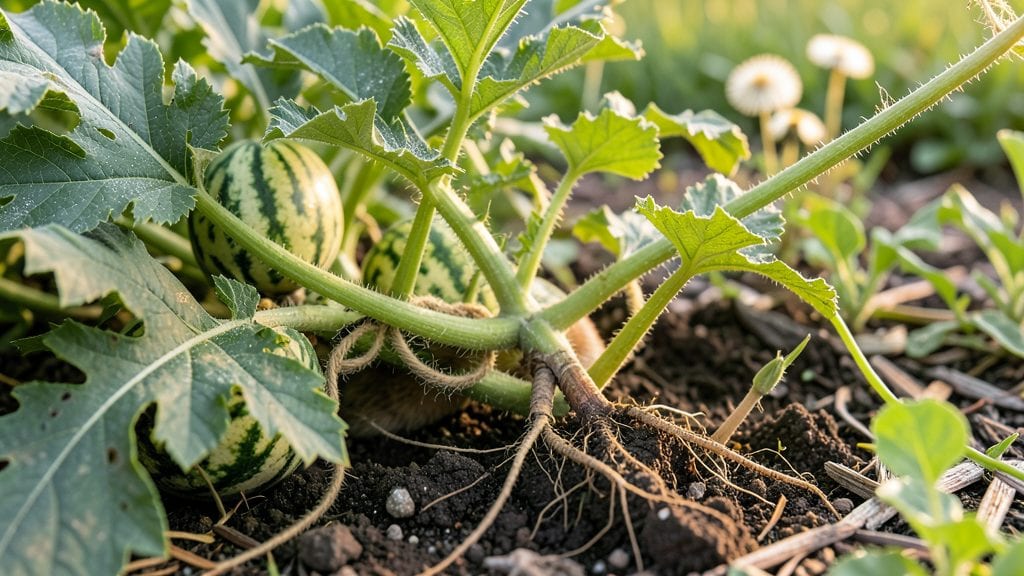
Rabbits are drawn to watermelon foliage because it's both hydrating and easy to digest, especially during dry seasons when other greens are scarce. 🌱 Unlike root vegetables, the above-ground parts of watermelon plants offer quick energy, making them a prime snack for hungry bunnies.
The real danger comes in early growth stages—seedlings can be completely stripped in just a few hours, leaving no chance for recovery. Even established plants may struggle if rabbits strip away enough leaves to block sunlight.
This isn't just about lost crops—rabbits can also spread diseases through their droppings, adding another layer of risk to your garden. The good news is that prevention is straightforward once you understand their feeding patterns.
Physical barriers like chicken wire cages or 8-foot fencing create immediate protection, while organic repellents like crushed garlic cloves or hot pepper spray disrupt their foraging instincts. The key is consistency: rabbits are smart and will learn to avoid treated areas if you're persistent. 🔥
💡 In This Article
- Why Rabbits Target Watermelon Vines and Leaves
- Effective Rabbit-Proofing Strategies for Watermelon Gardens
Why rabbits target watermelon vines and leaves
Watermelon plants become rabbit magnets because their tender, moisture-rich foliage offers an irresistible snack. Rabbits are herbivores with a digestive system optimized for fibrous but hydrating plants—watermelon leaves and stems contain about 85-90% water content, making them easy to chew and digest.
The soft texture contrasts sharply with tougher garden plants like squash or corn stalks, which require more energy to consume. 🌿 This high-water content also aligns perfectly with a rabbit's need for hydration, especially during dry spring and summer months when their natural diet becomes scarce.
The real vulnerability lies in watermelon's rapid early growth phase. Seedlings sprout with delicate, hair-like leaves that rabbits can strip in under 30 minutes. Mature plants fare better, but their broad leaves (often 6-12 inches wide) provide ample surface area for rabbits to nibble without exhausting themselves.
What makes this worse is the plant's shallow root system—unlike carrots or potatoes, watermelons can't compensate for lost foliage by redirecting energy underground. The result? Stunted growth or complete crop failure if defoliation exceeds 30% of the plant's surface area.
Rabbits also target watermelon vines because they're nutrient-dense compared to other garden plants. The stems contain higher concentrations of nitrogen and potassium—key minerals rabbits need for muscle maintenance and energy.
In fact, watermelon vines have a protein content of about 2.5%, which is nearly double that of typical lawn grasses (which rabbits also eat).
This makes watermelon a high-value food source in their diet, especially for pregnant does or growing kits that require extra protein. 🐰 The vines' slightly sweet, mild flavor further enhances their appeal over bitter-tasting alternatives like mint or dill.
Seasonal patterns amplify the risk. Spring and early summer—when watermelon plants are most vulnerable—coincide with rabbit breeding season. Does need extra nutrients to support their litters, and bucks require energy for territorial battles.
This creates a perfect storm where hungry rabbits roam gardens in larger groups, increasing the pressure on watermelon crops. Unlike deer or squirrels, rabbits don't have strong preferences—they'll eat whatever's most accessible and nutritious, making watermelon plants prime targets during these peak activity periods.
Here's what most gardeners don't realize: rabbits use a unique chewing technique when attacking watermelon. They don't just bite off leaves—they graze systematically, starting with the youngest, most tender growth at the plant's center.
This creates a "windowpane" effect where only the main stem remains, leaving the plant looking like a lace doily. The damage isn't just cosmetic; this grazing pattern disrupts the plant's photosynthesis by removing the most efficient leaf surfaces.
In extreme cases, rabbits will even strip the bark from young stems, which can kill the plant entirely by damaging the vascular system.
The good news is that watermelon's growth habit gives you an advantage. Unlike root crops, watermelon plants regenerate quickly when protected early.
If you can shield the plant until it develops a thick, woody stem (typically after 4-6 weeks of growth), the leaves become too tough for rabbits to digest easily.
This biological resilience means your prevention efforts can pay off dramatically if implemented at the right time. 💡 The key is acting before the plants reach 6 inches tall, when they're most vulnerable.