
Diseases
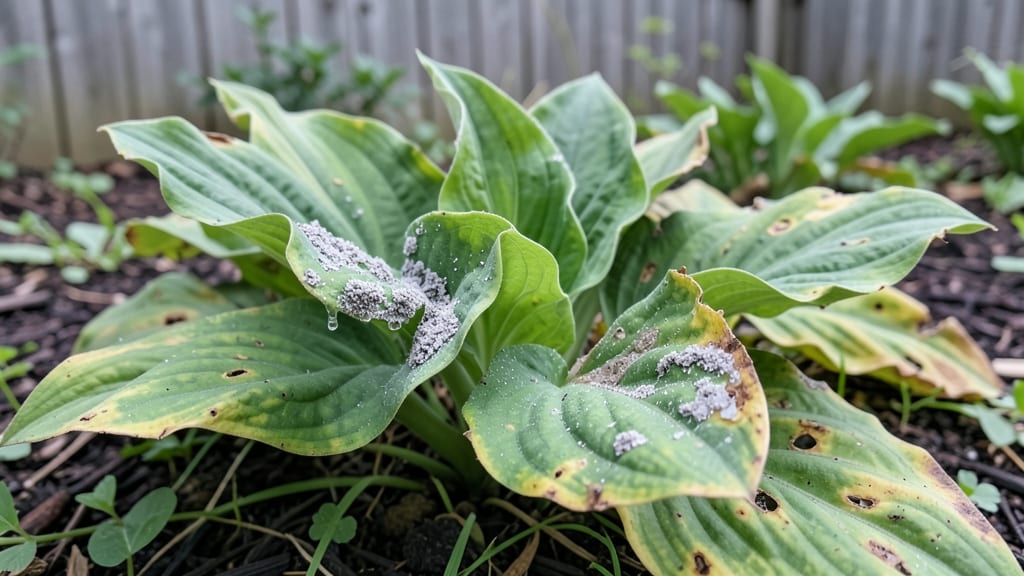
Hosta plant diseases can turn your shade garden from lush to limp faster than you think. 🌿 I’ve watched my prized hostas go from velvety-green giants to sad, spotted messes—until I learned the early warning signs and how to fight back.
The key isn’t panic; it’s knowing which diseases strike most often and how to stop them before they spread.
Slugs, fungal infections, and bacterial rot are the usual culprits, each leaving its own telltale marks—chewed edges, brown patches, or slimy trails at dawn. Proper spacing (12–24 inches apart), watering at the base (not overhead), and removing infected leaves immediately can cut your risk by half.
I’ve saved entire clumps just by acting fast.
You’ll learn to spot the difference between viral spots and fungal rings, plus organic fixes like neem oil sprays or copper fungicides that work without harsh chemicals. With the right approach, your hostas can bounce back—thicker, healthier, and ready to dominate your shade garden again.
Whether you’re dealing with a single leaf or a full-blown outbreak, this guide gives you the tools to diagnose, treat, and prevent. No more guessing—just actionable steps to keep your hostas thriving season after season.
Root Causes of Hosta Ailments
Hostas are prized for their lush foliage and adaptability, but their health can quickly decline when faced with the right conditions for disease. Understanding why these problems arise is the first step to prevention.
Let’s break down the key factors that turn your hostas into a buffet for pathogens—or create stress that leaves them vulnerable.
Fungal diseases like slime mold, leaf spot, and crown rot thrive when hostas are drenched in moisture for extended periods. Here’s why:
- Poor Air Circulation 🌬️ Dense plantings or shaded areas trap humidity, creating a fungal paradise. Fungi like Alternaria and Septoria (common leaf spot culprits) spread via water droplets, splashing from leaf to leaf. If your hostas are packed too tightly, stagnant air keeps spores lingering.
- Overwatering or Poor Drainage 💦 Hostas prefer consistently moist (but not soggy) soil. When roots sit in waterlogged conditions, crown rot (Phytophthora spp.) takes hold, rotting the base of the plant.
Even well-drained soil can become a problem if you water on a schedule rather than checking moisture levels.
- Morning Dew and Wet Leaves 🌧️ While dew is natural, it lingers on broad hosta leaves, creating a film that fungi love. Leaf spots often appear after prolonged leaf wetness—especially in humid climates or during rainy seasons.
Pro Tip: 💡 Space plants 18–24 inches apart for airflow, water at the base (not overhead), and avoid planting in low-lying areas where water pools.
Some pests don’t just damage hostas—they open the door for infections. Here’s how:
- Slugs and Snails 🐌 These slimy critters don’t just leave holes; they secrete mucus that creates a perfect environment for bacterial leaf blight (Pseudomonas) and fungal growth. Their slime also weakens plant tissue, making hostas more susceptible to secondary infections.
- Aphids and Thrips 🐜 While they feed on sap, their honeydew secretions (a sticky residue) attract sooty mold, a black fungal growth that smothers leaves. This blocks sunlight, stressing the plant and making it easier for other diseases to take root.
- Japanese Beetles 🐞 Their feeding creates ragged leaf edges, which tear open the plant’s protective barrier. Wounds from beetles are entry points for anthracnose (Colletotrichum), a fungal disease that causes dark, sunken lesions.
Pro Tip: ✨ Set up beer traps for slugs, introduce ladybugs to control aphids, and handpick beetles early in the day when they’re sluggish.
Hostas are hardy, but extreme or inconsistent conditions weaken their defenses, making them easy targets for disease.
- Temperature Swings ❄️☀️ Sudden cold snaps or heatwaves shock hostas. Frost damage can create entry points for Botrytis (gray mold), while heat stress (above 90°F) weakens cell walls, making plants more vulnerable to powdery mildew (Erysiphe).
- Nutrient Deficiencies 🌱💀 Lack of magnesium (yellowing between veins) or nitrogen (pale, stunted growth) stresses hostas, reducing their ability to fight off pathogens. Over-fertilizing with nitrogen can also promote lush, soft growth that’s more prone to fungal infections.
- Compacted or Poor Soil 🏗️ Hostas need well-aerated, organic-rich soil. Compacted soil restricts root growth, making plants more susceptible to root rot (Pythium). If your soil is clay-heavy or lacks compost, roots suffocate, leaving them defenseless.
Pro Tip: 🔥 Amend soil with compost before planting, mulch with 2–3 inches of organic matter (like shredded leaves), and avoid heavy foot traffic around hostas.
Sometimes, well-meaning gardening practices backfire. Here’s how:
- Overhead Watering 💦🚫 Using sprinklers or hose-end sprays keeps leaves wet, spreading fungal spores like wildfire. Leaf spot and rust (Puccinia spp.) love this moisture, turning vibrant foliage into a diseased mess.
- Reusing Contaminated Tools ⚔️ Pruners, trowels, or gloves can carry fungal spores from one plant to another. If you snip an infected leaf and then trim a healthy hosta, you’re essentially giving the disease a free ride.
- Ignoring Debris 🗑️ Leaving dead leaves, mulch, or old hosta clumps in the garden creates a cozy home for fungal spores. Slime mold (Fuligo septica) thrives in decaying organic matter, oozing bright orange goo onto your plants.
Pro Tip: ⏰ Sterilize tools with rubbing alcohol between uses, water at the soil level, and clean up debris promptly—especially after storms or heavy rains.
Quick Fixes for Common Hosta Ailments
Now that you’ve identified the culprit behind your hosta’s woes, it’s time to roll up your sleeves and get your plants back to their vibrant best! Below are practical, step-by-step solutions tailored to each disease, plus prevention tips to keep future outbreaks at bay.
Think of this as your hosta’s emergency first aid kit—simple, effective, and easy to follow.
Fungal diseases thrive in damp, shady conditions, so the key is disrupting their party with airflow, sunlight, and targeted treatments.
🔥 Remove the Problem
- Prune infected foliage immediately 🌿✂️
- Snip off leaves with visible powdery mildew (white, dusty patches) or dark spots (leaf spot).
- Dispose of clippings in the trash (not compost)—fungi can survive in yard waste!
- Pro tip: 💡 Use sterilized pruners (wipe with rubbing alcohol) to avoid spreading spores.
- Boost airflow & sunlight 🌬️☀️
- Space hostas 12–18 inches apart to improve circulation.
- Thin out surrounding plants or mulch to reduce humidity near the soil.
- If possible, move hostas to a sunnier spot (even partial sun helps).
🍳 Apply Fungicides (Organic or Chemical)
- Baking soda spray (for mild cases): Mix 1 tsp baking soda + 1 tbsp vegetable oil + 1 tsp mild soap + 1 gallon water.
Spray undersides of leaves (where fungi love to hide) every 7–10 days. - Neem oil or copper fungicide (for stubborn infections): Follow label instructions—apply in the evening to avoid burning leaves.
Reapply after rain. - Pro tip: 🌡️ Water in the morning so foliage dries quickly, discouraging fungal growth.
🌱 Prevent Future Outbreaks
- Mulch properly: Use 2–3 inches of organic mulch (like shredded bark) but keep it 2 inches away from the crown to prevent rot.
- Avoid overhead watering: Use drip irrigation or soaker hoses to keep leaves dry.
- Rotate crops: Don’t plant hostas in the same spot year after year—fungi linger in the soil!
These critters don’t just weaken hostas—they devour them overnight! Here’s how to evict them for good.
👨🍳 Trap & Remove Pests
- Slug/snail barriers 🛡️🐌
- Create a 2-inch-wide trench around hostas filled with diatomaceous earth (food-grade) or crushed eggshells.
- Place beer traps (bury a shallow dish filled with beer—slugs crawl in and drown).
- Pro tip: 🌙 Check traps at dawn—pests are most active then!
- Handpick aphids 🐜💦
- Blast aphids off leaves with a strong spray of water (they hate it!).
- Wipe infested areas with a soapy sponge (1 tsp mild soap per quart of water).
🔪 Natural Deterrents
- Copper tape: Wrap it around pots or garden edges—slugs get a mild electric shock and avoid it.
- Duckweed or lettuce traps: Place these near hostas—slugs will feast on them instead!
- Beneficial nematodes: For soil-dwelling pests, apply microscopic nematodes (like Phasmarhabditis hermaphrodita) to the soil.
🎯 Long-Term Prevention
- Remove hiding spots: Clear debris, boards, and dense mulch where slugs hide.
- Plant repellents: Surround hostas with garlic, thyme, or marigolds—slugs dislike their scent.
- Encourage predators: Attract frogs, birds, and ground beetles with a diverse garden ecosystem.
Bacterial infections are tricky—once they set in, they spread fast. Act aggressively to save your hostas.
🔪 Emergency Surgery: Remove Infected Tissue
- Dig up the hosta 🪴🔨
- Gently remove the plant and rinse roots with water to assess damage.
- Trim away mushy, blackened roots and stems with sterilized tools.
- Pro tip: ✨ Soak roots in a 1:10 bleach-water solution (1 part bleach, 10 parts water) for 10 minutes to kill bacteria.
- Repot or replant 🌱🪴
- If roots are mostly healthy, repot in fresh, sterile potting mix.
- If replanting in the ground, amend the soil with compost and avoid planting in the same spot for at least 2 years.
💊 Antibacterial Treatments
- Copper fungicide (with antibacterial properties): Spray every 7–10 days for 3 weeks.
- Hydrogen peroxide spray (3% solution): Mix 1 tbsp per gallon of water and spray foliage to inhibit bacterial growth.
- Warning: ⚠️ Avoid copper near edibles—it can leave residues.
🛡️ Prevention for Next Time
- Improve drainage: Hostas hate soggy feet—raise beds or add sand to clay soil.
- Avoid overhead watering: Use drip lines to keep leaves dry.
- Sterilize tools: Clean pruners and shovels with rubbing alcohol between plants.
Even without disease, stress makes hostas vulnerable. Keep them thriving with these easy maintenance hacks:
- Fertilize right: Use a balanced, slow-release fertilizer (like 10-10-10) in early spring. Avoid high-nitrogen fertilizers—they promote soft, disease-prone growth. - Divide every 3–4 years 🪴➡️🪴: Overcrowded hostas stress easily.
Split clumps in early spring to improve airflow. - Monitor moisture: Hostas like consistent moisture but not soggy soil. Stick your finger 1 inch deep—if dry, water deeply.
Final Thought: 🌟 Most hosta diseases are preventable with good hygiene, airflow, and a little TLC. Once you’ve treated the current issue, stay vigilant—healthy hostas are the best defense against future problems!
Frequently asked questions
What are the most common signs my hosta has a fungal disease?
Look for powdery white coatings (powdery mildew), dark brown or black spots with yellow halos (leaf spot), or orange slimy patches (slime mold). Fungal issues often appear on older leaves first and spread in damp, shaded conditions.
Can I save a hosta with bacterial leaf blight?
Early action is key! Remove infected leaves immediately, sterilize your tools, and apply copper fungicide every 7-10 days. For severe cases, dig up the plant, trim all mushy roots, and replant in fresh soil. Bacterial diseases spread fast, so isolate infected plants.
Why do my hostas get diseases even though I water them properly?
Diseases often strike when hostas are stressed from poor airflow, compacted soil, or nutrient deficiencies. Even with proper watering, overcrowding (less than 18 inches spacing) or mulch piled against the crown can trap moisture and invite fungi. Thin plants and improve drainage to help.
Is neem oil safe to use on hostas with fungal diseases?
Yes! Neem oil is an excellent organic fungicide. Mix 1-2 tbsp per gallon of water with a drop of soap as an emulsifier, and spray undersides of leaves (where fungi hide). Apply in the evening to avoid leaf burn, and reapply after rain. It won’t cure severe cases but helps prevent spread.
How often should I check my hostas for early disease signs?
Inspect your hostas weekly during growing season (spring-fall), focusing on undersides of leaves and new growth. Early detection is critical—fungal diseases can spread in 48 hours if left unchecked. After rain or high humidity, check daily for 2-3 days.