
Pests and Diseases
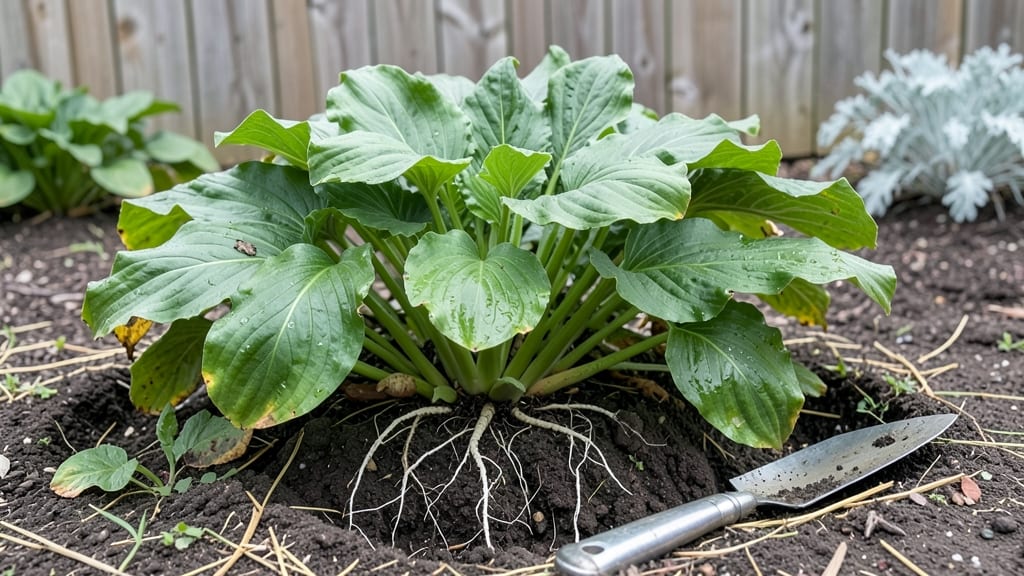
The right hosta planting distance is the difference between lush, sprawling foliage and sad, stunted plants fighting for space 🌿.
Picture this: your hostas look crowded, their leaves yellowing at the edges, and slugs move in for an all-you-can-eat buffet. That’s not just bad luck—it’s a spacing problem. Too close, and they’ll suffocate each other, leaving you with weak growth and pest magnets. Too far, and your garden looks sparse.
In Zone 6a, where spring planting kicks off in April, the key is knowing your hosta’s mature size. A dwarf variety like ‘Halcyon’ needs just 12 inches between plants, while giants like ‘Sum and Substance’ demand 3 feet of breathing room.
Get it wrong, and you’re setting up a lifetime of thinning or division.
Below, I’ll break down the exact spacing rules for your garden—whether you’re tucking them into borders, lining a path, or cramming them into containers. No more guesswork, just thriving hostas that steal the show.
Optimal hosta planting distance by variety size and growth habits
Hostas are stunning shade-lovers, but their planting distance makes all the difference between a lush display and a struggling mess. Too close, and you’ll battle fungal diseases and pests like slugs.
Too far, and your garden looks sparse. The key? Mature size determines initial spacing—plant them with room to grow, not just their current size.
Most gardeners underestimate how much hostas expand over time. A dwarf variety like 'Pandora' might start small, but in 3–5 years, it’ll spread 18–24 inches wide.
Meanwhile, giants like 'Sum and Substance' need 4 feet of space or more. Airflow is critical—crowded hostas trap moisture, inviting slime mold and powdery mildew.
Here’s the golden rule: Plant hostas 12–36 inches apart, but adjust based on their growth habit. Clumping types (like 'Halcyon') need less elbow room than sprawlers (like 'Francee'). Below, I’ve broken it down by size category so you can visualize your layout before digging.
⚠️ Pro Tip: Always measure the mature width, not the nursery pot size. A 6-inch pot could grow into a 3-foot-wide monster!
| Variety Size | Initial Planting Distance | Mature Spread | Best For | Spacing Notes |
|---|---|---|---|---|
| Dwarf (6–12" tall) | 12–18" | 12–18" wide | Rock gardens, borders | Examples: 'Pandora', 'Blue Mouse Ears' |
| Semi-Dwarf (12–24" tall) | 18–24" | 18–24" wide | Containers, woodland edges | Examples: 'Halcyon', 'Francee' |
| Standard (24–36" tall) | 24–30" | 24–36" wide | Shade gardens, mass plantings | Examples: 'Guacamole', 'Patriot' |
| Large (36"+ tall) | 36–48" | 36–54" wide | Focal points, specimen plants | Examples: 'Sum and Substance', 'Blue Angel' |
| Aggressive Spreaders | 36–60" | 48"+ wide | Backgrounds, containment beds | Examples: 'Francee', 'Royal Standard' |
For aggressive spreaders, like 'Francee' or 'Blue Angel', consider containment methods like buried plastic edging or raised beds. These varieties can double their size in a season if unchecked!
If you’re planting in containers, aim for 1 plant per 1–2 gallons of soil—hostas are heavy feeders and need room for roots.
Another pro move? Group hostas by size in your garden design. Place dwarf varieties in the front, medium types in the middle, and large specimens at the back.
This creates a natural tiered effect while keeping airflow optimal. Think of it like a layered shade cake—each layer has its own space to shine.
When in doubt, err on the side of more space. Hostas are forgiving if you give them room to breathe. Overcrowding leads to yellowing leaves, stunted growth, and a pest buffet.
I’ve seen gardens where hostas were planted 12 inches apart—by year 3, they looked like a jumbled mess. Plan for 3–5 years of growth when spacing.
💡 Light Tip: If your hostas get morning sun, you can space them slightly closer (e.g., 18" instead of 24"). The dappled light helps prevent leaf scorch while still allowing airflow.
Finally, mulch heavily after planting to retain moisture and suppress weeds. Use 3–4 inches of organic mulch (like shredded bark) and keep it 2–3 inches away from the crown to
How to calculate hosta spacing for different garden layouts
Hostas thrive when given the right amount of space, but calculating the perfect hosta planting distance depends entirely on your garden layout. Whether you're creating a woodland garden, a container display, or a border planting, spacing determines airflow, sunlight exposure, and long-term growth.
Aggressive spreaders like 'Blue Angel' or 'Francee' need extra room, while compact varieties can be planted closer together.
Start by measuring your garden beds and containers to avoid overcrowding. Use a simple formula: mature plant width × 1.5 for most varieties. For example, a 24-inch-wide hosta should be planted 36 inches apart to prevent competition.
In woodland gardens, where shade is abundant, you can reduce spacing by 20-30% since growth is slower.
- Borders: Space 12–24 inches for dwarf varieties, 24–36 inches for standard sizes, and 36+ inches for giant hostas like 'Sum and Substance'. Use 3–4 plants per linear foot for a layered look.
- Containers: Plant 1 hosta per 12–18 inches of container width. For 10–12 inch pots, use 1 plant per container; for 14–16 inch pots, fit 2–3 small hostas. Ensure pots have drainage holes to prevent root rot.
- Woodland Gardens: Reduce spacing by 20–30% due to slower growth in shade. Space 18–24 inches for medium hostas and 24–30 inches for larger varieties. Pair with ferns and astilbes to fill gaps.
- Aggressive Spreaders: Double the recommended spacing for varieties like 'Blue Angel' or 'Francee'. Plant 48–60 inches apart to contain their spread and avoid smothering nearby plants.
- Mixed Beds: Use odd-number groupings (3, 5, or 7 plants) for visual balance. Place taller hostas behind shorter ones and leave 12–18 inches between clusters for airflow.
For container gardens, remember that hostas in pots dry out faster and may need more frequent watering. Choose containers with a minimum 12-inch diameter for each plant, and add a 2–3 inch layer of mulch to retain moisture.
If combining hostas with other shade-loving plants like heucheras or coral bells, stagger their spacing to create a natural, layered effect.
In woodland gardens, where hostas often share space with ferns, astilbes, and trilliums, focus on creating a dappled-light effect. Plant hostas 18–24 inches apart and fill gaps with ground covers like ajuga or foamflower. This approach mimics their natural habitat and reduces competition for nutrients.
When dealing with aggressive spreaders, consider installing underground barriers like plastic edging or landscape fabric to contain their roots. For varieties like 'Francee', which can spread 3–4 feet per year, plan for 60+ inches of spacing or use containers to manage their growth.
Regularly divide and transplant divisions to other areas of your garden to keep them in check.
Finally, always account for future growth when planning your layout. A 12-inch hosta today may become a 24-inch powerhouse in 3 years. Sketch your garden design on graph paper, using 1 square = 1 foot, to visualize how hostas will fill out over time.
This simple step saves you from costly mistakes and ensures your garden remains a lush, pest-free sanctuary for years to come. 🌿