
Pests and Diseases
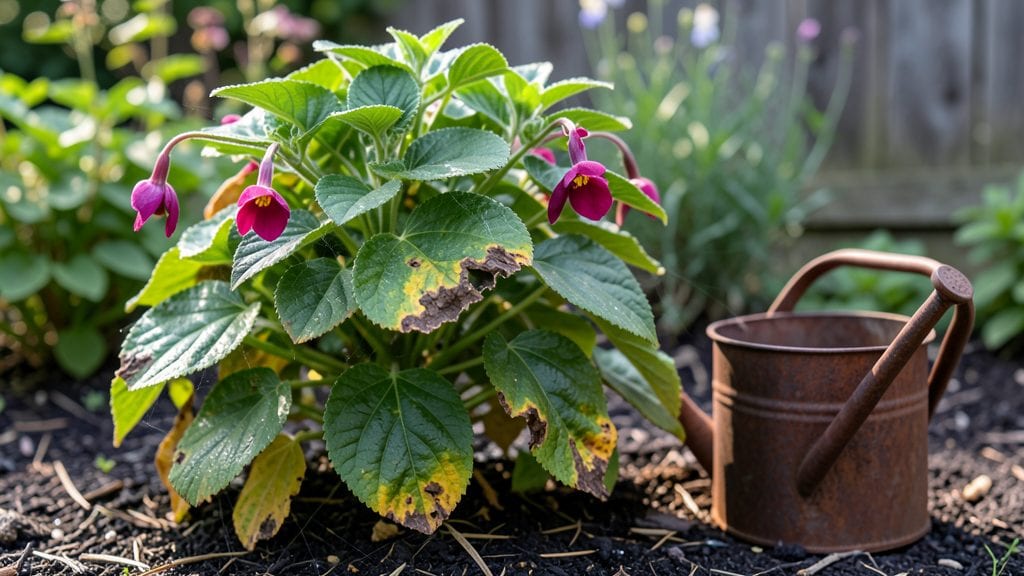
My impatiens plants looked like they’d lost a battle overnight—yellow splotches, crinkled leaves, and that telltale white fuzz that screams "downy mildew." 🌿 I’ve since learned the early signs of impatiens disease can save your hanging baskets before the problem spreads.
The key is catching it fast, before the spots multiply and the leaves fall.
Most impatiens diseases start with too much moisture, poor airflow, or plants crowded together. Downy mildew thrives in damp conditions, while leaf spot shows up as brown, dead patches. The good news?
Organic fixes like neem oil, copper spray, and pruning for airflow work better than you’d think—if you act before the plant gives up. I’ve nursed back plants that looked finished in just a few days.
You’ll spot the difference within a week: new growth stays crisp, not spotted, and the plant regains its vibrant red or purple blooms. The secret is consistency—spraying every 5–7 days and removing infected leaves immediately.
Think of it like triage: save what you can, and don’t let one sick plant ruin your whole display.
Works for patio pots, window boxes, or garden beds—just adjust the spacing to let air circulate. Here’s how to turn those early warning signs into a full recovery before your impatiens even notice they were ever sick.
Root Causes Behind Impatiens Woes
Impatiens plants may seem delicate, but their susceptibility to disease often boils down to a few key factors. Understanding why these issues arise is the first step to preventing them.
Below, we break down the science behind common stressors and pathogens that target your impatiens—and how their environments create perfect conditions for trouble.
Impatiens thrive in moderate spacing, but when plants are packed too tightly, their leaves brush against each other, trapping moisture. This creates a humid microclimate that fungal pathogens—like Phytophthora or Pythium—love. Poor airflow also slows evaporation, leaving foliage damp longer than ideal.
- Why it happens: Fungal spores thrive in 90%+ humidity and temperatures between 60–80°F (15–27°C). When roots compete for nutrients in crowded soil, plants weaken, making them easier targets for infection.
- Actionable fix: Space impatiens 10–12 inches apart and prune lower leaves to improve airflow. Avoid overhead watering—use drip irrigation or soaker hoses instead.
Impatiens hate soggy feet. While they enjoy consistent moisture, their roots cannot tolerate waterlogged conditions. Excess water cuts off oxygen supply, leading to root rot caused by Phytophthora nicotianae or Fusarium species. These pathogens multiply rapidly in anaerobic (oxygen-poor) soil.
| Symptom | Cause | Fix |
|---|---|---|
| Yellowing leaves (starting at the base) | Poor drainage + fungal invasion | Amend soil with perlite or sand (20–30%) and raise beds slightly. |
| Black, mushy roots | Pythium or Phytophthora in wet soil | Repot in sterilized, well-draining mix and avoid watering until topsoil dries. |
Pro Tip: 🌡️ Test your soil’s moisture by sticking a finger 1 inch deep. If it’s damp, wait before watering again.
Many impatiens diseases—like downy mildew (Peronospora) or powdery mildew (Erysiphe)—are opportunistic. Spores lurk on old plant debris, nearby weeds, or even in potting mix from previous seasons. When conditions turn favorable (high humidity + warm temps), they explode into full-blown infections.
- Why it happens: Spores germinate within 4–6 hours of leaf wetness. Downy mildew, for example, thrives in 70–80°F (21–27°C) with 12+ hours of leaf wetness.
- Actionable fix:
- Remove all plant debris after cleanup (don’t compost infected foliage—burn or trash it).
- Rotate crops yearly to break the spore cycle.
- Apply copper fungicide preventatively at the first sign of humidity spikes.
Impatiens under stress—whether from nutrient deficiencies, temperature swings, or pest damage—become vulnerable to secondary infections. For example:
- Nitrogen deficiency (pale leaves) weakens cell walls, making plants easier targets for bacterial leaf spot (Xanthomonas).
- Cold snaps (<50°F/10°C) shock plants, while heat stress (>90°F/32°C) opens stomata, inviting fungal entry.
- Pest damage (e.g., aphids or spider mites) creates wounds that bacteria like Pseudomonas exploit.
Pro Tip: ✨ Keep impatiens in consistent conditions: 65–75°F (18–24°C) during the day, 55–65°F (13–18°C) at night, and feed every 2–3 weeks with a balanced 10-10-10 fertilizer.
By addressing these root causes—airflow, drainage, spore control, and plant health—you’ll dramatically reduce the risk of impatiens diseases taking hold. Prevention is always easier (and cheaper!) than cure. 🚀
Fixing Impatiens Plant Problems
Reviving your impatiens doesn’t have to be a guessing game. Whether your plants are wilting, spotted, or covered in strange growths, targeted action can bring them back to their vibrant best. Below, we map common impatiens plant disease causes to practical fixes—plus prevention tips to keep your garden thriving long-term.
Cause: Overcrowding, poor airflow, or excess moisture (from watering at night or damp soil).
How to Fix It: 🔥 Remove infected leaves – Snip off yellowed or spotted foliage with sterilized scissors (dip in rubbing alcohol between cuts). 🍳 Apply neem oil spray – Mix 1 tbsp neem oil + 1 tsp mild soap in 1 quart of water. Spray undersides of leaves (where fungi love to hide) every 7–10 days. 👨🍳 Improve airflow – Space plants 12–18 inches apart and prune nearby foliage blocking sunlight. 🥘 Water wisely – Switch to morning watering (never overhead) and ensure pots have drainage holes.
Prevention Tip: 💡 Solarize soil in fall by covering beds with clear plastic for 4–6 weeks to kill fungal spores.
Cause: Aphids, spider mites, or whiteflies sucking sap or laying eggs on stems/leaves.
How to Fix It: 🔪 Blast pests off – Spray plants with a strong stream of water (aphids hate this!). 🌡️ Introduce beneficial insects – Ladybugs or lacewings eat aphids naturally. Buy them online or attract them with dill or fennel nearby. ✨ Use insecticidal soap – Spray a homemade mix (1 tsp castile soap + 1 quart water) directly on pests. Reapply every 3–5 days. 🎯 Isolate heavily infested plants – Move them away from healthy ones to stop spread.
Prevention Tip: 💡 Sticky traps near plants catch flying pests like whiteflies before they multiply.
Cause: Overwatering or poorly draining soil (common in containers).
How to Fix It: ⏰ Stop watering immediately – Let soil dry out completely for 2–3 days before watering again. 🥗 Repot in fresh soil – Remove the plant, trim black/mushy roots with clean scissors, and replant in sterile potting mix with perlite. 💪 Adjust your routine – Water only when the top inch of soil is dry, and use pots with drainage holes.
Prevention Tip: 💡 Add 20% perlite or vermiculite to soil to improve drainage.
Cause: Direct sun + dry air causing leaf scorch or crisp edges.
How to Fix It: 🌿 Provide shade cloth – Use 30–50% shade fabric during peak afternoon sun. 💦 Mist leaves lightly – Early morning misting (not soaking) can cool plants temporarily. 🍎 Mulch heavily – Apply 2–3 inches of organic mulch (straw or shredded leaves) to retain moisture.
Prevention Tip: 💡 Group impatiens with taller plants to create natural shade for their delicate leaves.
- Prune back – Trim 1/3 of the plant to reduce stress and encourage new growth.
- Fertilize lightly – Use a balanced organic fertilizer (like fish emulsion) diluted to half-strength.
- Boost humidity – Place a tray of pebbles + water near pots (but keep leaves dry).
Remember: Patience is key! Some fixes take 2–4 weeks to show results. Monitor your plants daily and adjust care as needed. With these steps, your impatiens will bounce back—and stay disease-free for seasons to come. 🌸
Frequently asked questions about impatiens plant diseases
What’s the fastest way to tell if my impatiens have downy mildew?
Check the undersides of leaves for a fuzzy, white or gray growth—this is downy mildew’s signature sign. If you see yellow patches on top with this fuzz below, act fast: prune infected leaves immediately and apply a copper fungicide spray within 24 hours to stop it from spreading.
Can I save my impatiens if the stems turn black and mushy?
That’s root rot, and it’s serious—but not always a death sentence. Snip off the blackened stems, repot in fresh, sterile soil with perlite, and reduce watering until the soil dries completely between waterings. If the roots are mostly healthy, new growth should emerge in 1–2 weeks.
Why do my impatiens get bacterial leaf spot even when I water from below?
Bacterial leaf spot spreads via splashing water or contaminated tools. Even bottom-watering can fail if your hands or pruners carry bacteria. Sterilize tools with rubbing alcohol, avoid overhead watering, and remove infected leaves immediately—don’t compost them. A baking soda spray (1 tsp baking soda + 1 quart water) can help too.
Is it safe to use neem oil on impatiens in full bloom?
Yes, but apply it early in the morning when blooms are dry to avoid damaging delicate petals. Neem oil is organic and non-toxic when used correctly, but avoid spraying directly on open flowers. Focus on leaves and stems, and reapply every 7–10 days for fungal or pest issues.
How do I prevent impatiens diseases in containers?
Use pots with drainage holes, space plants 10–12 inches apart, and water only at the base (never overhead). Add 20% perlite to potting mix, and avoid placing containers in shaded, humid spots. Rotate pots occasionally to ensure even sunlight exposure—this keeps airflow strong and reduces disease risks.