
Diseases
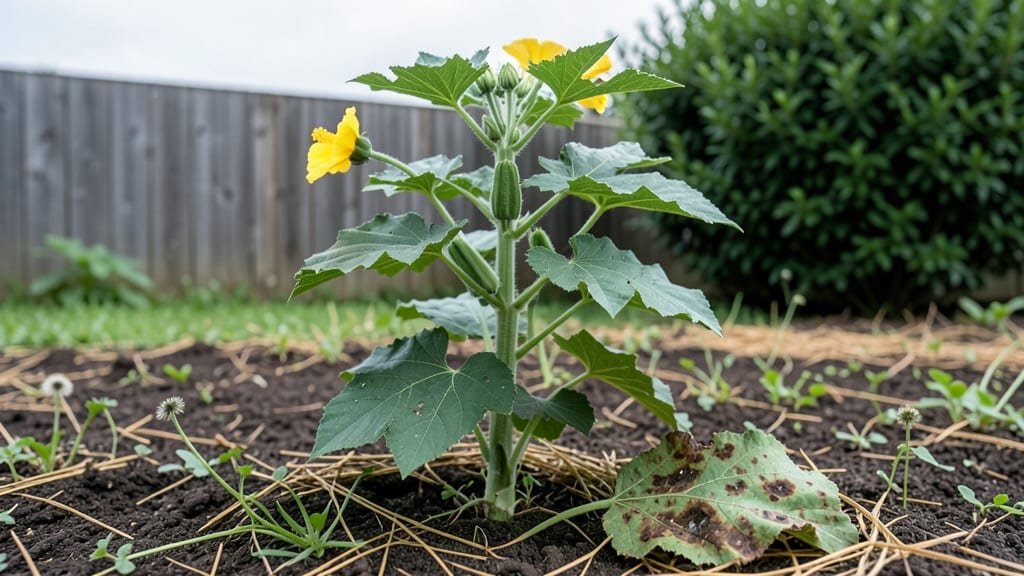
Okra plant diseases can turn your thriving garden into a sad sight faster than you think—those dark, fuzzy spots on leaves aren’t just ugly, they’re a warning sign your plants are fighting for their lives. 🌿 I’ve seen healthy okra bushes go from lush and green to struggling in just a few weeks when fungal infections take hold, and the key to saving them is catching the problem early.
The worst offenders—like powdery mildew, leaf spot, and root rot—love warm, humid conditions, which is why okra gardens often become battlegrounds. Most gardeners don’t realize how quickly these diseases spread, especially when plants are crowded or watered from above.
The good news? With the right mix of prevention, quick action, and a few targeted treatments, you can protect your crop before it’s too late.
By the end of this guide, you’ll know exactly what to look for—those telltale spots, the way leaves curl, or the sudden wilting—and how to stop them before they ruin your harvest.
We’re talking organic sprays, cultural fixes, and even when to pull the plug on a hopeless plant. Your okra won’t just survive; it’ll thrive.
Whether you’re dealing with a single suspicious leaf or a full-blown outbreak, this is your playbook for keeping your okra garden healthy. Let’s get those plants fighting back before the fungi win.
Root Causes Behind Okra Fungal Woes
Okra plants may look tough, but they’re surprisingly vulnerable to fungal diseases—especially when certain conditions align like a perfect storm. Understanding why these issues arise is the first step to stopping them in their tracks.
Below, we break down the key culprits behind the most devastating fungal spots, from environmental factors to plant health oversights.
Fungi thrive in damp, stagnant environments, and okra is no exception. When humidity hovers above 80% or soil stays soggy for prolonged periods, fungal spores explode in growth. Here’s why:
- Spores germinate faster: Many okra pathogens (like Colletotrichum or Phytophthora) release spores that need moisture to latch onto leaves or stems. A single overnight downpour can turn a healthy plant into a fungal buffet.
- Poor air circulation: Dense foliage or crowded plants trap moisture, creating microclimates where fungi spread unchecked. Botrytis cinerea (gray mold) loves this setup.
- Root rot risks: Waterlogged soil cuts off oxygen to roots, weakening the plant’s defenses. Pythium and Phytophthora capitalize on this, rotting roots and stems from the ground up.
💡 Pro Tip: Space plants 18–24 inches apart and avoid overhead watering. If humidity is a local issue, use a soil moisture sensor to water only when the top 2 inches of soil are dry.
Fungal spores are sneaky survivors—they can lurk in soil, old plant debris, or even your gardening tools for years. Here’s how contamination spreads:
- Reused infected plants: Leaving behind diseased okra stalks or composting them without proper heat (140°F+) lets spores persist. Fusarium wilt can survive in soil for 10+ years.
- Dirty gardening tools: Pruners, trowels, or even gloves contaminated with Alternaria spores can infect new plants when you make cuts or amendments.
- Cross-contamination: Sharing tools between diseased and healthy plants (or even different garden beds) hitchhikes spores like a bad houseguest.
🔥 Action Step: Sterilize tools with 1 part bleach to 9 parts water (soak for 10 minutes) or 70% rubbing alcohol. Remove all plant debris after harvest—burn or bag it (don’t compost!).
Okra needs a balanced diet, and when it’s starved or overfed, its immune system crashes. Key deficiencies that invite fungi:
- Low nitrogen (N): Weak, yellowing leaves (a sign of nitrogen deficiency) make plants 3x more susceptible to Cercospora leaf spot. Nitrogen fuels growth and disease resistance.
- Excess phosphorus (P): Too much P (from bone meal or rock phosphate) can suppress beneficial microbes in the soil, letting Rhizoctonia take over.
- Potassium (K) starvation: Potassium strengthens cell walls—without it, fungi like Phytophthora breach defenses easier. Look for brown leaf edges or weak stems.
📊 Soil Test Tip: Test your soil every 2–3 years and amend with compost or a balanced fertilizer (10-10-10). Avoid synthetic fertilizers high in P if your soil already tests high.
When okra is already battling pests or physical trauma, fungi move in like vultures. Common stress triggers:
- Insect feeding: Aphids, spider mites, and thrips chew or pierce leaves, creating entry points for Alternaria or Botrytis. Their honeydew also feeds sooty mold fungi.
- Mechanical damage: Rough handling during harvest or hail can bruise stems, giving Fusarium a foothold. Always harvest pods gently by twisting.
- Extreme temperatures: Sudden heatwaves (>95°F) or cold snaps (<50°F) shock plants, weakening their cuticles. Powdery mildew thrives in these conditions.
🛡️ Prevention Hack: Use row covers to shield young plants from pests and hail. For insect damage, spray with neem oil (1 tbsp per gallon of water) to deter feeders.
Fungal diseases don’t happen in a vacuum—they’re the result of a perfect storm of environment, neglect, and opportunity. By addressing these root causes, you’ll disrupt the cycle and keep your okra plants healthy, productive, and spot-free.
Quick Fixes for Fungal Foes
Okra plants are resilient, but fungal diseases can turn your green gold into a sad, spotted mess. The good news? With the right approach, you can save your crop—and even prevent future outbreaks.
Below are practical, step-by-step solutions tailored to the most common fungal threats, plus prevention tips to keep your okra thriving.
🔥 Cause: Erysiphe cichoracearum thrives in humid, shaded conditions, coating leaves in a chalky white film.
👨🍳 How to Fix It:
- Prune & Air Out 🌬️
- Remove heavily infected leaves (gloves recommended!) and dispose of them in the trash—not the compost.
- Thin out dense foliage to improve airflow. Aim for 6–8 inches of space between plants.
- Neem Oil Spray 🌿
- Mix 1 tbsp neem oil + 1 tsp mild soap + 1 quart water. Spray both sides of leaves at dawn or dusk (avoid direct sun).
- Reapply every 7–10 days until symptoms fade.
- Baking Soda Solution ✨
- Stir 1 tsp baking soda + 1 tsp oil + 1 quart water. Spray weekly for a preventive shield.
💡 Prevention Pro Tips:
- Water at the base (never overhead) to keep leaves dry.
- Rotate crops—don’t plant okra in the same spot yearly.
- Choose resistant varieties like ‘Emerald’ or ‘Clemson Spineless’.
🔥 Cause: Cercospora or Alternaria fungi create black or brown spots with yellow halos, often in wet weather.
🍳 How to Fix It:
- Clean Up Debris 🧹
- Remove all fallen leaves and plant waste from the garden bed. Fungi lurk in organic matter!
- Copper Fungicide ⚡
- Use a ready-made copper spray (like Bonide Copper Fungicide) every 10–14 days until new growth appears.
- Companion Planting 🌱
- Interplant okra with marigolds or basil—their natural antifungal properties deter spores.
🌡️ Prevention Tips:
- Space plants 18–24 inches apart to reduce humidity buildup.
- Water early in the morning so leaves dry by evening.
- Avoid overhead irrigation—use drip lines instead.
🔥 Cause: Phytophthora or Pythium fungi rot roots in overwatered, poorly drained soil.
🔪 How to Fix It:
- Adjust Watering 💧
- Let the top 1–2 inches of soil dry out between waterings. Okra needs 1–1.5 inches of water per week—no more!
- Improve Drainage 🏗️
- Amend soil with compost or perlite to loosen clay-heavy beds.
- If potted, ensure containers have drainage holes.
- Fungicide Soil Drench 🌱
- Mix 1 tbsp hydrogen peroxide (3%) + 1 gallon water and pour around the base (not on leaves). Repeat weekly.
🎯 Prevention Checklist:
- Test your soil—okra prefers pH 6.0–6.8 and well-draining soil.
- Mulch lightly (straw or shredded leaves) to retain moisture without suffocating roots.
- Rotate crops—don’t plant okra where nightshades (tomatoes, peppers) grew last season.
No matter the fungus, these universal tactics work wonders:
- Cultural Care 🌿
- Rotate crops every 3 years.
- Solarize soil (cover with clear plastic for 4–6 weeks in summer) to kill fungal spores.
- Natural Sprays 🌿
- Garlic spray: Blend 1 clove garlic + 1 quart water, strain, and spray weekly.
- Milk spray: Mix 1 part milk + 9 parts water (contains antifungal proteins).
- Monitor & Act Fast 👀
- Inspect plants weekly—catch spots early!
- Remove infected plants immediately to stop spread.
✨ Bonus: For organic growers, trichoderma fungus (a beneficial soil microbe) can be applied as a soil drench to outcompete harmful fungi.
With these fixes, your okra will bounce back—stronger and spot-free! 🚀🌱
Frequently asked questions
How can I tell if my okra plants have a fungal disease rather than just heat stress?
Fungal diseases typically show up as distinct spots, powdery coatings, or unusual discoloration—like black/brown spots with yellow halos (leaf spot) or white chalky patches (powdery mildew). Heat stress, however, causes uniform yellowing or wilting without spots. Check the undersides of leaves too—fungal spores often appear there first.
Is it safe to compost okra leaves with fungal diseases?
No, never compost diseased plant material! Fungal spores can survive composting and reinfect your garden. Instead, bag and discard infected leaves in the trash (or burn them if possible). If you must compost, heat piles to 140°F+ for 3+ days to kill pathogens—but it’s safer to skip it entirely.
Will copper fungicide harm beneficial insects like bees or ladybugs?
Copper fungicides are generally low-risk to bees when applied correctly, but they can harm earthworms and soil microbes. Apply in the late afternoon or evening when bees aren’t active, and avoid spraying flowers directly. For extra safety, opt for neem oil or baking soda sprays first—they’re gentler on ecosystems.
How long does it take to see results from organic fungicide treatments?
Most organic treatments (like neem oil or baking soda) show improvement in 7–14 days if applied consistently. For severe infections, you may need 3–4 weeks of weekly sprays. Monitor progress closely—if symptoms worsen after 2 weeks, switch to a copper-based fungicide or consider removing heavily infected plants.
Can I still harvest okra pods from plants with fungal diseases?
Yes, but only from healthy-looking pods. Avoid harvesting from plants with systemic diseases like Fusarium wilt (wilting, yellowing stems). For leaf spot or powdery mildew, pick pods early in the day when spores are less active. Wash pods thoroughly before cooking to remove any surface spores.