Trees
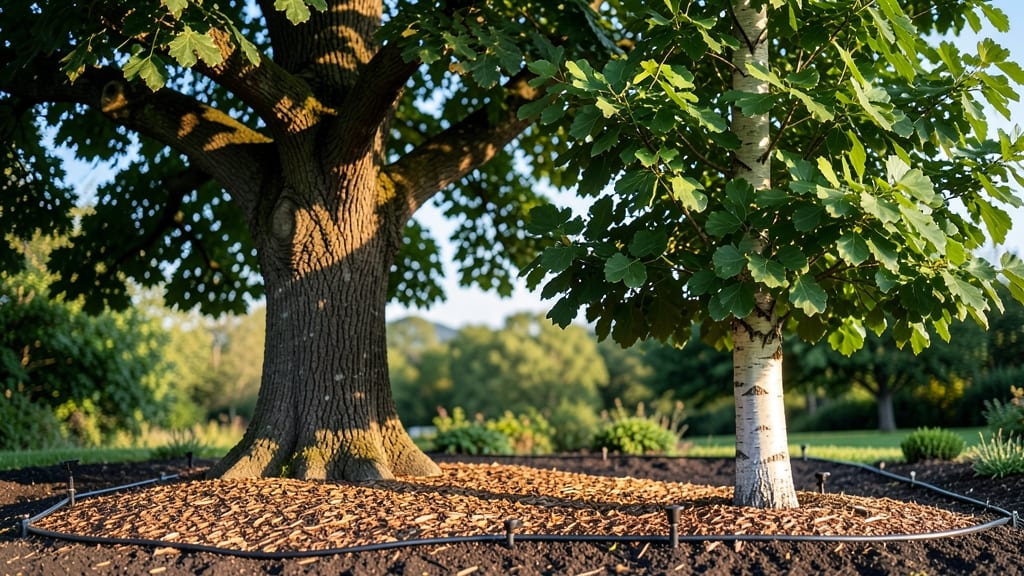
Planting outdoor trees the right way means they’ll stand strong for decades—not just a few seasons. ✨ I’ve watched trees I planted years ago grow into shade providers and wildlife magnets, while others I rushed through barely survived their first winter.
The difference? Proper spacing, sunlight planning, and a little patience.
You’ll need basic tools—a shovel, wheelbarrow, and gloves—but the real work is in the prep. Test your soil, pick a spot with the right sunlight for your tree type, and dig a hole twice as wide as the root ball.
Deciduous trees like maples need full sun, while evergreens often tolerate partial shade. The first year is critical: deep watering once a week (not daily) and a 3-inch layer of mulch keep roots happy.
By spring, you’ll see new growth that tells the story of good care. A properly planted tree resists disease, handles drought better, and even improves your property value. The key is matching the tree to its home—sunlight, soil, and space all matter. Let’s get those roots settled for good.
Works for any yard size, from urban lots to rural acres. Whether you’re planting a single shade tree or a windbreak, these steps apply. Here’s how to make it last.
📚 In This Guide
- What you need
- Instructions
- Tips and common mistakes
- Wrapping up and next steps
What you need
- ● Tree seedlings or saplings: Choose 2–5 (depending on desired spacing), ensuring they’re native or well-suited to your climate zone.
- ● High-quality potting soil: 1–2 bags (50 lbs each) for planting holes, enriched with compost or organic matter.
- ● Mulch: 1–2 bags (2–3 cubic feet) of wood chips or shredded bark to retain moisture and suppress weeds.
- ● Fertilizer: Slow-release granular fertilizer (e.g., 10-10-10 NPK ratio) or organic options like composted manure.
- ● Watering can or hose: With a gentle spray nozzle for delicate seedlings.
- ● Garden gloves: 1 pair to protect your hands from thorns or rough bark.
- ● Pruning shears: Sharp, clean pair for trimming dead branches or shaping young trees.
- ● Measuring tape: 1 (for calculating spacing between trees and digging holes).
- ● Shovel or spade: 1 medium-sized (16–18 inches wide) for digging planting holes.
- ○ Post-hole digger (optional): For deeper root systems or sturdier support stakes.
- ● Tree stakes & ties: 2–4 stakes (1–2 inches wide) and soft fabric ties to support young trees in windy areas.
- ● Drip irrigation system: For automated watering, especially in hot climates.
- ● Soil pH test kit: To ensure your soil is ideal (most trees prefer 6.0–7.0 pH).
- ● Tree guards: Plastic or metal protectors to shield trunks from pests or lawnmowers.
- ● Eco-friendly weed barrier: Landscape fabric to reduce competition for nutrients.
Instructions for planting trees outdoors for long-term success
Here’s my foolproof method for planting trees that thrive for decades—not just survive the first year.
🌱 Step 1: Dig the Perfect Hole with Proper Dimensions
Dig a hole twice as wide as the tree’s root ball but only as deep as the root ball itself. This prevents burying the trunk too deeply, which can suffocate the roots and invite disease. I use a shovel to loosen the sides of the hole for 6-12 inches outward—this creates space for roots to spread without fighting compacted soil.
Break up any large clumps of soil at the bottom of the hole with your shovel. The goal is to mimic the natural soil structure the tree’s roots will grow into. If your soil is heavy clay, mix in 2-3 inches of compost at the bottom to improve drainage and fertility.
🪴 Step 2: Position the Tree Correctly in the Hole
Place the tree in the hole so the top of the root ball sits 1-2 inches above ground level. This ensures the tree doesn’t settle too deeply over time. Gently remove any burlap or wire baskets from the root ball—if they’re wrapped tightly, cut them away so roots aren’t restricted.
Spread the roots outward evenly in the hole. If they’re circling or tangled, make 2-3 vertical cuts with pruning shears to encourage outward growth. Fill the hole with the excavated soil, pressing lightly around the edges to eliminate air pockets but not compacting too firmly.
☀️ Step 3: Water Deeply to Settle the Soil
Water the tree immediately after planting with 10-15 gallons of water, depending on the tree’s size. This settles the soil and removes air gaps that can dry out roots. I use a garden hose with a slow, steady stream to avoid eroding the soil around the base.
After watering, the soil should settle about 1 inch. If the tree sinks too low, add more soil to keep the root ball slightly above grade. Mulch the area with 2-3 inches of organic mulch, keeping it 6 inches away from the trunk to prevent rot and pest issues.
⏰ Step 4: Monitor Sunlight and Adjust as Needed
Most trees need 6+ hours of sunlight daily, but young trees—especially those stressed by transplanting—benefit from partial shade for the first 2-3 weeks. If planting in hot climates, provide afternoon shade with a temporary shade cloth or nearby structure.
Watch for signs of stress: yellowing leaves or wilting may mean too much sun, while slow growth or pale foliage could indicate insufficient light. Once the tree establishes new leaves after 4-6 weeks, it’s usually ready for full sun exposure.
🌿 Step 5: Maintain Year-Round with Strategic Care
Water deeply once a week during the first growing season, providing 1-2 inches of water per week. In drought conditions, increase to 2-3 inches weekly. Avoid overhead watering—direct the stream at the base to encourage deep root growth.
Fertilize lightly in early spring with a balanced, slow-release fertilizer to support new growth. Prune only to remove dead or crossing branches in late winter or early spring. This keeps the tree healthy and prevents overcrowding as it matures.
Tips & tricks for perfect outdoor planted trees
A few key strategies will help your newly planted trees establish strong roots and thrive for decades.
The Hole Depth Matters: In Step 1, when digging that hole twice as wide as the root ball, remember the depth is critical. The top of the root ball should sit 1-2 inches above ground level after settling—this prevents suffocating the trunk and encourages healthy root growth. I've seen too many trees planted too deeply, which leads to rot and poor growth. Use a level to check this before backfilling.
Root Pruning Technique: If you notice circling or tangled roots in Step 2, don't just leave them—make 2-3 vertical cuts with pruning shears. This simple step prevents girdling, where roots strangle themselves as they grow. Think of it as giving your tree's roots room to breathe and spread outward naturally. I've seen trees with uncut roots struggle for years to establish properly.
Watering Wisdom: That initial 10-15 gallons of water in Step 3 isn't just about settling the soil—it's about creating a moisture reservoir around the roots. I recommend using a soaker hose to deliver this water slowly over 30-45 minutes rather than dumping it all at once. This prevents runoff and ensures the water penetrates deeply where the roots need it most.
Seasonal Shade Strategy: For young trees in hot climates, providing afternoon shade for the first 2-3 weeks (as mentioned in Step 4) can make all the difference. I've used temporary shade cloths or even placed the tree where it gets morning sun but afternoon shade from nearby structures. This helps prevent sunburn on tender new leaves while they establish.
Pro Tips for Outdoor Planted Trees
- A few key strategies will help your newly planted trees establish strong roots and thrive for decades.
- The Hole Depth Matters: In Step 1, when digging that hole twice as wide as the root ball, remember the depth is criti...
- Root Pruning Technique: If you notice circling or tangled roots in Step 2, don't just leave them—make 2-3 vertical cu...
Frequently asked questions
Got questions about planting and caring for outdoor trees? You’re not alone! Here are some of the most common concerns—and straightforward answers—to help you grow thriving trees year-round.
How close can I plant trees to my house or fence?
Keep trees at least 15–25 feet from your home (depending on the species) to avoid root damage or foundation issues. For fences, maintain a 5–10 foot distance—larger trees need more space to prevent overcrowding. Always check local guidelines, as some areas require setbacks for utility lines or property lines.
When is the best time to plant a tree outdoors?
The ideal window is early spring or fall, when temperatures are mild and rain is frequent. Avoid extreme heat (summer) or frost (winter), as young roots struggle to establish. If you must plant in summer, water deeply 2–3 times per week and mulch heavily to retain moisture.
How much sunlight do outdoor trees really need?
Most trees thrive in 6–8 hours of sunlight daily, but some (like maples or oaks) tolerate partial shade. Check your tree’s label—sun-lovers (e.g., fruit trees) need full sun, while shade-tolerant varieties (e.g., dogwoods) adapt to dappled light. Observe your yard’s sunlight patterns before planting!
What if my tree isn’t growing after planting?
First, check for poor drainage (soggy soil = root rot) or overwatering (yellow leaves = too much moisture). Ensure it’s in the right spot—some trees need more sun/water than others. If growth stalls after 1–2 years, test soil pH or consult a local nursery for species-specific tips.
Can I plant trees in containers instead of the ground?
Yes! Dwarf or small varieties (e.g., Japanese maples, citrus trees) thrive in large containers (15+ gallons). Use well-draining soil, elevate pots to prevent waterlogging, and move them indoors during frost. Just know they’ll need frequent watering and fertilizing—containers dry out faster than ground soil.
Wrapping up and next steps
Planting trees outdoors isn’t just about aesthetics—it’s an investment in your environment, health, and future! With the right spacing and sunlight, you can enjoy lush, year-round growth that thrives for decades.
Whether you’re a beginner or a seasoned gardener, every tree you plant makes a difference—so get your hands dirty and watch your green space flourish.
Ready to take the next step? Start small:
- Pick one or two trees that fit your climate and space.
- Gather your tools and mark your planting spots today!
- Share your progress—tag us @GreenThumbCommunity for inspiration!