Size
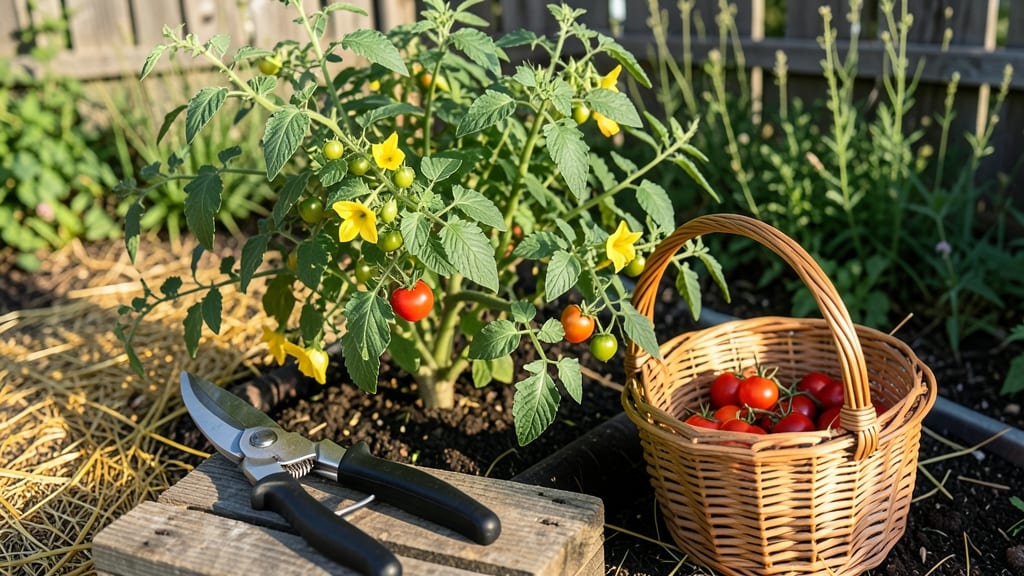
Growing food from plants in small spaces delivers harvests faster than you’d expect—I’ve pulled fresh greens in just 3 weeks using the right techniques.
The key isn’t bigger space but smarter choices: leafy crops like lettuce and spinach, bush beans, and compact herbs all thrive in containers or vertical setups. My balcony now produces more than my old backyard plot ever did, and the secret lies in matching plants to their ideal growing conditions.
You’ll need minimal supplies: 5-gallon containers for most veggies, lightweight potting mix, and a sunny spot (even a few hours of direct light works). Herbs like basil and cilantro grow in 1-gallon pots, while tomatoes and peppers need slightly larger space but still fit on patios.
The real game-changer? Fast-maturing varieties—look for labels like “30 days to harvest” to skip the long wait.
By midseason, you’ll be snipping fresh basil for meals, harvesting crisp lettuce, and picking sweet peas—all without a sprawling garden. The best part? Pests and diseases stay minimal when you choose disease-resistant varieties and monitor watering closely.
Even my black thumb can’t kill these plants if you follow the right steps.
Works for apartments, fire escapes, or tiny yards—no green thumb required. Whether you’re growing for flavor, savings, or just the joy of watching food grow, this method delivers results in record time. Let’s get those plants producing!
📚 In This Guide
- What you need
- Instructions
- Tips and common mistakes
- Wrapping up and next steps
What you need
- ● Containers or Growing Beds: 3–5 5–10 gallon pots (with drainage holes) or a raised bed (4’x8’) for larger harvests.
- ○ Self-watering planters (optional but ideal for beginners).
- ● Growing Medium: 1–2 bags of high-quality potting soil (sterilized, peat-free if possible).
- ● Coco coir or compost (1–2 cups per container) for better drainage.
- ● Seeds or Seedlings: Fast-growing varieties like lettuce, radishes, green onions, or cherry tomatoes (check seed packets for days to harvest).
- ● Herbs (basil, cilantro, mint) for quick, flavorful wins!
- ● Basic Tools: 1 hand trowel or small shovel.
- ● 1 spray bottle (for gentle watering).
- ● 1 measuring cup (for soil amendments).
- ● Sunlight Access: A south-facing window (6+ hours/day) or a grow light (LED, 12–16 hrs/day) for indoor setups.
- ● Fertilizer: Liquid seaweed or fish emulsion (diluted as directed).
- ● Mulch: Straw or shredded leaves to retain moisture.
- ● Vertical garden kit (for wall-mounted greens!).
- ● pH test kit (to keep soil happy, ideally 6.0–7.0).
- ● Label markers (to track plant varieties).
Step-by-step instructions for fast harvests in small spaces
Here’s how to grow food quickly even with limited room—no green thumb required.
Choose the Right Fast-Growing Plants
Start with varieties that mature in 30-60 days and thrive in containers. Leafy greens like lettuce, spinach, and kale grow quickly, as do radishes, green onions, and bush beans. I always pick compact varieties labeled "baby" or "bush" to save space. Check seed packets for days-to-maturity—stick to anything under 50 days for true speed.
For 4 servings, you’ll want about 12-16 plants total, depending on the crop. For example, plant 4 radishes (they’re tiny and fast) and 8 green onions (they regrow after cutting). Avoid sprawling plants like zucchini or cucumbers—they need more room and time. Instead, opt for vertical growers like pole beans if space is tight.
Set Up Containers for Maximum Efficiency
Use 5-7 inch deep containers with drainage holes—deeper pots let roots establish faster. I repurpose old buckets, hanging baskets, or even deep window boxes. Fill each with 2-3 gallons of well-draining potting mix (never garden soil—it compacts and slows growth). Add a handful of compost to the mix for nutrients, but don’t overdo it—too much can burn tender roots.
For fastest results, place containers where they’ll get 4-6 hours of sunlight daily. A south-facing window or a small balcony with afternoon sun works perfectly. If natural light is weak, supplement with a grow light for 12-14 hours a day. Watch for leggy seedlings—they’re begging for more light. Adjust the light source within 3-4 inches of the plants if stems stretch too tall.
Plant and Water for Rapid Germination
Sow seeds ¼ inch deep—deeper planting slows germination. Space seeds 1-2 inches apart in rows 3 inches apart to allow airflow and prevent disease. I use a small spoon to make neat furrows in the soil, then cover seeds lightly with more potting mix. Mist the surface with water until evenly damp, but avoid soaking—waterlogged soil suffocates seeds.
Keep the soil consistently moist (not soggy) until germination. Most fast crops sprout in 3-7 days—radishes often pop up in just 3 days if conditions are right. Once sprouts appear, water at the base of plants to avoid wetting leaves, which can cause fungal issues. Use a spray bottle for gentle watering until seedlings are 2 inches tall, then switch to a watering can with a narrow spout to direct water precisely where it’s needed.
Fertilize and Maintain for Quick Harvests
After 2 weeks, feed plants with a balanced liquid fertilizer (like 10-10-10) diluted to half strength. I mix 1 tablespoon of fertilizer per gallon of water and apply it every 7-10 days. Over-fertilizing leads to lush leaves but no food—focus on moderate growth, not rapid foliage. Watch for yellowing leaves, which signal either overwatering or nutrient burn—adjust immediately.
Harvest when plants reach their peak maturity—for example, pick baby lettuce when leaves are 2-3 inches tall or radishes when they’re 1 inch in diameter. Cut or twist off outer leaves (like spinach) to encourage regrowth. For root crops, pull gently when the top growth looks mature. I always harvest in the morning when plants are hydrated and flavors are brightest. Regular harvesting encourages faster regrowth and prevents bolting (when plants flower too soon).
Rotate and Repeat for Continuous Yields
Once you harvest one crop, replant the same spot immediately with another fast grower. Succession planting keeps your small space productive all season. For example, after pulling radishes, sow more seeds or switch to a shorter-season crop like arugula. I label each container with the plant type and harvest date to track rotations—this prevents confusion when managing multiple crops.
Rotate containers every 2-3 weeks to even out sunlight exposure. Plants near windows often lean toward the light, so a simple quarter-turn weekly keeps them growing straight. By the time your first harvest is ready, you’ll have new seedlings sprouting in the next batch of containers. This method ensures you’re always eating fresh without waiting months for maturity.
Tips & tricks for fast container gardening
These simple strategies will help you maximize your small space and get fresh harvests in record time.
Speed Up Germination: If you're eager to see sprouts faster, try soaking seeds overnight before planting. Radishes and green onions respond particularly well to this trick, often sprouting in just 2-3 days instead of the usual 3-7 days. Just place them in a bowl of warm water for 8-12 hours, then drain and plant as directed. This method works best with small seeds that germinate quickly anyway.
Lighting Hacks for Small Spaces: When using grow lights for your 12-14 hour daily requirement, position them just 3-4 inches above seedlings. I've found that using a simple LED desk lamp with a full-spectrum bulb works surprisingly well for small setups. Keep the light on a timer to maintain consistent 12-14 hour cycles—this prevents leggy growth and ensures even development across all plants.
Container Rotation Strategy: Don't forget to rotate your containers every 2-3 weeks as mentioned in Step 5. I've seen plants that were perfectly straight suddenly lean dramatically toward the window after just a week. This simple quarter-turn keeps all sides of your plants exposed to equal light, preventing that classic "window shade" look that wastes energy and space.
Harvesting for Regrowth: When harvesting leafy greens like spinach or lettuce, always cut just above a set of leaves rather than pulling the whole plant. This encourages the plant to regrow from the base, giving you multiple harvests from a single planting. I've gotten three harvests from one spinach planting this way, extending my fresh greens supply by weeks.
Pro Tips for Plant Grow Food
- These simple strategies will help you maximize your small space and get fresh harvests in record time.
- Speed Up Germination: If you're eager to see sprouts faster, try soaking seeds overnight before planting. Radishes an...
- Lighting Hacks for Small Spaces: When using grow lights for your 12-14 hour daily requirement, position them just 3-4...
Frequently asked questions
Got questions about growing your own plant-based food in tight spaces? You’re not alone!
Here are answers to the most common queries to help you get started confidently—whether you’re a balcony gardener or a windowsill warrior. Let’s dive in!
How quickly can I expect to harvest food from small-space plants?
Timing varies by plant! Fast growers like green onions (3–4 weeks), bush beans (6–8 weeks), or leafy greens (4–6 weeks) are perfect for beginners. Slower crops like tomatoes or peppers take 2–3 months but thrive in containers. Check seed packets for days to maturity—it’s your harvest roadmap!
What are the best small-space plants for beginners?
Start with low-maintenance, high-yield picks:
- Herbs (basil, mint, parsley) – Grow in cups on a sunny windowsill.
- Leafy greens (spinach, kale, lettuce) – Harvest outer leaves to keep plants producing.
- Cherry tomatoes – Compact varieties like ‘Tiny Tim’ thrive in hanging pots.
- Radishes – Ready in 3 weeks and love cool weather.
Can I grow food year-round in small spaces, even indoors?
Yes! With the right setup:
- Light: Use grow lights (LED bulbs work great) for 12–16 hours/day.
- Heat: Keep temps between 60–75°F (avoid drafts near windows).
- Plants: Opt for microgreens, sprouts, or dwarf varieties like ‘Patio’ peppers.
Is growing food in small spaces actually cost-effective?
While initial costs (containers, soil, seeds) add up, savings grow over time:
Cost Factor
DIY Savings
Herbs (vs. store-bought)
$5 for seeds vs. $3–$5 per bunch
Greens (1 lb)
$0.50 to grow vs. $3–$6 in stores
Tomatoes (1 plant)
$2 for seeds vs. $4–$8 per pint
What do I do if my small-space plants get pests or diseases?
Act fast with these fixes:
- Prevention: Use neem oil or insecticidal soap as a spray.
- Common pests:
- Aphids → Blast off with water or introduce ladybugs.
- Fungus gnats → Let soil dry slightly between waterings.
- Isolate affected plants to stop spread. Pro tip: Keep your space clean—remove dead leaves and debris!
Wrapping up and next steps
Growing your own food—even in small spaces—is simpler and more rewarding than you might think! 🌱 Whether you’re cultivating herbs on a windowsill, leafy greens in a vertical tower, or microgreens in a shoebox, the key is starting small, staying consistent, and embracing the process.
With the right tools, techniques, and a little patience, you’ll soon be harvesting fresh, homegrown meals that taste better than anything store-bought.
Ready to take the next step? Pick one plant to grow this week—maybe a fast-growing green like lettuce or a flavorful herb like basil—and watch your confidence (and harvest!) grow. Happy planting! 🌿