
Shrubs
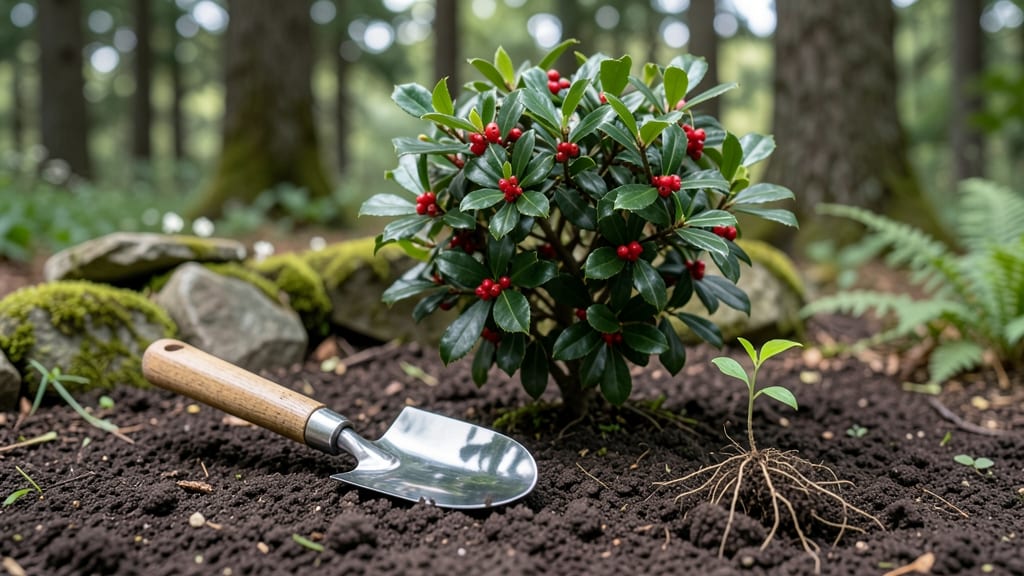
Planting evergreen bushes transforms bare spots into lush, year-round privacy screens that never lose their appeal. 🌿 I learned the hard way that spacing isn't just about aesthetics—it determines how fast your hedge fills in and how easy it is to maintain.
My first attempt left gaps that took years to close, but these three spacing rules changed everything.
The right location and soil prep make all the difference. Evergreens thrive where they get 4-6 hours of sunlight daily, with well-draining soil that prevents soggy roots.
Test your soil first—amending with compost or sand can save struggling plants. For varieties like rhododendrons or boxwoods, slightly acidic soil (pH 4.5-6.0) keeps them happy and healthy.
Once planted, consistent watering keeps roots established without drowning them. A 1-2 inch layer of mulch retains moisture while blocking weeds. Within a year, your hedge will grow dense enough to block views, and with proper spacing, you'll spend less time pruning and more time enjoying the results.
Seasonal timing matters too—spring and fall offer ideal conditions, while summer heat can stress new plants. Whether you're lining a fence or creating a windbreak, these tips ensure your evergreens grow into a thriving, low-maintenance privacy solution that lasts for decades.
📚 In This Guide
- What you need
- Instructions
- Tips and common mistakes
- Wrapping up and next steps
What you need
- ● Evergreen bushes: Choose 3–5 mature plants (depending on desired coverage). Opt for varieties like Holly, Boxwood, or Arborvitae—ensure they’re 3–5 feet tall for quick privacy.
- ● Shovel or trowel: A heavy-duty shovel (for digging holes) and a hand trowel (for delicate root adjustments).
- ● Compost or organic fertilizer: 5–10 lbs of balanced 10-10-10 or slow-release granular fertilizer to enrich the soil.
- ● Mulch: 2–3 cubic feet of pine bark or shredded wood mulch (3–4 inches deep) to retain moisture.
- ● Garden hose or watering can: With a spray nozzle for gentle watering.
- ● Measuring tape: To ensure proper spacing (3–6 feet apart) for healthy growth.
- ● Gloves: Durable gardening gloves to protect your hands.
- ● Soil test kit: To check pH and nutrient levels—evergreens thrive in slightly acidic soil (pH 5.0–7.0).
- ● Plant support stakes: For young or top-heavy bushes (e.g., bamboo stakes or wire cages).
- ● Pruning shears: Bypass pruners for shaping after planting.
- ● Drip irrigation system: For low-maintenance watering in dry climates.
- ● Weed barrier fabric: To suppress weeds and conserve moisture.
Instructions for planting evergreen bushes
Here’s how to plant evergreens for lush, year-round privacy—no guesswork, just strategic spacing and proper care.
🌱 Step 1: Dig Holes the Right Size for Root Spread
Use the spade to dig holes twice as wide as the root ball but only as deep as the container’s base. Evergreens need room to establish roots laterally, so don’t crowd them—this is where your 3-foot spacing (for mature height under 6 feet) starts. Tap the sides of the hole gently to break up compacted soil, then loosen the bottom with the spade handle.
If your soil feels dense, mix in 1-2 inches of compost from the ingredients list into the bottom of each hole. This improves drainage and gives roots a nutrient boost right where they need it most. Avoid amending the entire hole—too much organic matter can suffocate roots by breaking down too quickly.
☀️ Step 2: Position for Sunlight and Wind Protection
Plant evergreens where they’ll receive at least 6 hours of sunlight daily, but avoid harsh afternoon sun in hot climates—it can scorch new needles. Face the bush’s most attractive side toward the view you want to frame (usually the front yard or walkway). For windy sites, position them sheltered by a fence or other plants to prevent needle loss.
Step back and visualize the mature shape. Evergreens grow 3-6 feet wide at maturity, so leave at least 3 feet between plants for airflow. Poor spacing leads to overcrowding, which invites pests and fungal diseases. If planting in a row, stagger the holes slightly to create a natural, staggered look.
🪴 Step 3: Plant and Water Deeply for Immediate Stability
Remove the bush from its container and gently loosen the roots if they’re circling. Place it in the hole so the top of the root ball sits 1 inch above ground level—evergreens hate having their stems buried, which causes rot. Fill the hole with soil, pressing lightly around the edges to eliminate air pockets, but never compact hard. Water deeply until the soil 1 inch below the surface feels moist.
Add a 2-inch layer of mulch over the root zone (but keep it 6 inches away from the stem). This retains moisture and regulates soil temperature. Water again after mulching to settle everything in place. The first week is critical—keep soil consistently moist but not soggy, as evergreens are prone to root rot if overwatered.
✂️ Step 4: Prune for Shape and Encourage Fullness
Wait 3-4 weeks before pruning to let the bush recover from transplant shock. Then, use the pruners to trim any broken branches and shape the bush lightly by cutting back overly long stems by 1/3. Avoid heavy pruning in the first year—you’re shaping, not reshaping. For a denser look, pinch back new growth tips by 1/2 inch in early summer to encourage bushier growth.
Evergreens grow slowly, so resist the urge to prune aggressively. A well-placed cut now saves hours of work later. If you notice yellowing needles, it’s a sign of overwatering or poor drainage—adjust your watering schedule to once a week (or less in winter) and check if the mulch is smothering the roots.
Tips & tricks for perfect evergreen planting
Strategic spacing and careful planting create the foundation for thriving evergreen bushes that deliver reliable privacy year after year.
Root Ball Preparation: Before removing evergreens from their containers, gently squeeze the root ball to check for circling roots. If you find roots growing in tight circles, use your fingers or a knife to make 2-3 vertical cuts along the sides of the root ball—this encourages outward root growth into the surrounding soil. In Step 1, when digging holes twice as wide as the root ball, remember that wider planting holes give roots room to spread naturally without competition, which is especially important for evergreens that can live for decades.
Soil Amendment Strategy: The 1-2 inches of compost recommended for dense soil should be mixed only into the bottom of the hole, not throughout. This creates a nutrient-rich zone where new roots will establish first. For sandy soil, consider adding a handful of peat moss to help retain moisture during the critical first year. If your soil tests acidic (common in many regions), mix in a small amount of lime according to soil test recommendations—evergreens generally prefer slightly acidic to neutral soil (pH 5.5-7.0).
Watering Wisdom: During the first week after planting, aim for about 1-2 inches of water per week, delivered either through rainfall or supplemental watering. Use a rain gauge or tuna can to measure water depth accurately—evergreens are particularly sensitive to both drought and waterlogging. In Step 3, when watering until soil 1 inch below the surface feels moist, focus on slow, deep watering rather than quick surface wetting. This encourages roots to grow deeper where they'll find more stable moisture.
Pruning Timing: The 3-4 week waiting period before pruning is non-negotiable—this gives plants time to recover from transplant shock. For evergreens planted in late spring or summer, time your first pruning for early fall when new growth has hardened off but before winter dormancy. This timing promotes stronger growth in the following season. When cutting back overly long stems by 1/3, always make cuts just above a bud or branch junction to encourage healthy regrowth.
Pro Tips for Planting Evergreen Bushes
- Strategic spacing and careful planting create the foundation for thriving evergreen bushes that deliver reliable privacy year after year.
- Root Ball Preparation: Before removing evergreens from their containers, gently squeeze the root ball to check for circling roots.
- Soil Amendment Strategy: The 1-2 inches of compost recommended for dense soil should be mixed only into the bottom of the hole, not throughout.
Frequently asked questions
Got questions about planting evergreen bushes? You’re not alone! Here are some common concerns—and straightforward answers—to help you get started with confidence.
When is the best time to plant evergreen bushes?
The ideal window is early spring or fall (3–4 weeks before the first frost). These seasons give roots time to establish before extreme heat or cold. Avoid planting in summer—drought stress can stunt growth. If you must plant in winter, choose a mild day and protect young bushes from freezing winds with burlap.
How close can I plant evergreen bushes to my fence or house?
Keep bushes 3–6 feet away from structures to prevent root competition for moisture and nutrients. For privacy screens, space them 2–3 feet apart (closer for dwarf varieties, wider for fast-growing types like Leyland Cypress). Check mature size tags—overcrowding leads to poor airflow, inviting pests and disease.
How often should I water newly planted evergreen bushes?
Water deeply 2–3 times per week for the first year, soaking the root zone (12–18 inches down). After establishment, reduce to once weekly (more in drought or sandy soil). Mulch with 2–3 inches of organic material (like pine straw) to retain moisture and regulate soil temperature.
Why are my evergreen bushes turning brown at the tips?
Brown tips often signal overwatering, underwatering, or salt buildup from tap water. Check soil moisture—evergreens prefer well-draining soil. If using tap water, flush the root zone monthly with rainwater or distilled water. Fungal diseases (like needle blight) can also cause browning; prune affected areas and improve airflow between plants.
What’s a good alternative if evergreens don’t thrive in my climate?
Consider semi-evergreen shrubs like Holly or Boxwood (drop leaves in winter but regrow quickly) or broadleaf evergreens such as Camellia or Pieris, which tolerate cooler climates. For arid regions, Dwarf Alberta Spruce or Juniper (drought-tolerant) are excellent choices.
Wrapping up and next steps
Planting evergreen bushes is a fantastic way to add year-round privacy, beauty, and value to your landscape—without the seasonal fuss! By mastering strategic spacing, proper soil prep, and smart variety selection, you’ll create a lush, low-maintenance hedge that thrives for decades. 🌿✨
Ready to take the next step? Start by sketching your design, gathering your tools, and picking out a few hardy evergreens like Arborvitae, Holly, or Boxwood.
Then, roll up your sleeves—your future privacy oasis is just a shovel’s throw away! Review the essentials or dive into common questions before you begin.