Propagation
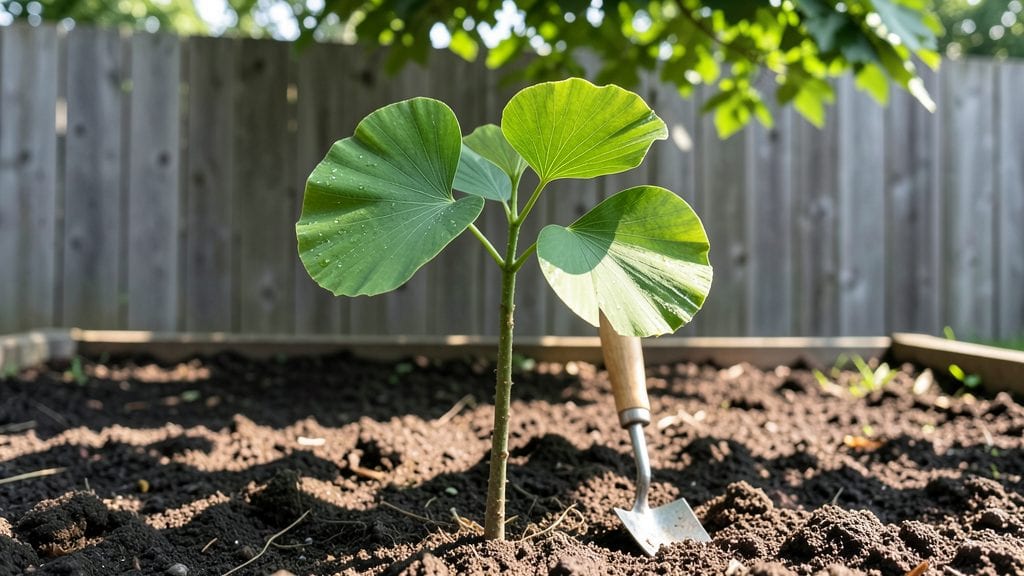
Planting ginkgo seeds isn't just about sticking them in soil—it's about breaking their stubborn dormancy first. ✨ I've learned that skipping stratification means waiting years (or never) for germination, but with the right cold treatment, you'll see those first tiny shoots in just 8-12 weeks.
The key is patience mixed with science: a simple fridge trick that mimics winter's natural cycle.
You'll need a few basics: fresh seeds (green when ripe), a damp paper towel, a sealed plastic bag, and a fridge with consistent 34-41°F temps. No fancy equipment—just what you already have.
The process takes about 3 months, but it's worth it for the reward: a ginkgo tree that grows 2-3 feet per year once established.
Imagine watching those first pale green leaves unfurl in spring, knowing you grew it from seed. The real magic happens when you transplant the seedlings outdoors after they've developed strong roots.
They'll reward you with fragrant, fan-shaped foliage and, eventually, those iconic golden nuts—if you're lucky enough to have male and female trees nearby.
Here's where most gardeners trip up: rushing the process or giving up too soon. Ginkgos are ancient for a reason—they don't play by fast rules. But with this method, you'll beat the odds and end up with a living piece of prehistoric history in your own yard.
Let's get those seeds sprouting!
📚 In This Guide
- What you need
- Instructions
- Tips and common mistakes
- Wrapping up and next steps
What you need
- ● Fresh ginkgo seeds: 3–5 seeds (preferably harvested in autumn when fully ripe and yellowish-brown). Pro tip: 💡 Avoid seeds with cracks or mold—they won’t germinate!
- ● Stratification medium: Option 1: Damp peat moss or coco coir (2–3 cups)
- ● Option 2: A mix of sand and perlite (1:1 ratio, 2 cups total)
- ● Plastic storage bag or airtight container: Large enough to hold seeds + medium (e.g., a 1-gallon Ziploc bag)
- ● Refrigerator or cold stratification setup: A fridge with a temperature range of 34–40°F (1–4°C) works perfectly.
- ● Small pots or seed trays: 3–4 inch pots with drainage holes (for transplanting after stratification)
- ● Potting soil: Well-draining mix (e.g., 50% potting soil + 50% perlite/sand)
- ● Spray bottle: For lightly misting the medium (keeps it damp but not soggy)
- ● Grow lights or sunny windowsill: A south-facing window or LED grow light (12–16 hrs/day) speeds up germination.
- ● Label markers: To track seed varieties and planting dates!
- ○ Fungicide (optional): A mild solution like hydrogen peroxide (3%) to soak seeds and prevent rot.
- ● Patience: Ginkgo seeds take 6–12 months to germinate—stratification is key!
- ● Time commitment: Stratification: 3–6 months in the fridge.
- ● Germination: Spring/summer (after stratification).
- ● Space: A cool, dark spot for stratification and a bright area for seedlings.
Step-by-Step instructions for planting ginkgo seeds
Here’s how to break the dormancy cycle and get those ginkgo seeds sprouting in record time.
🌱 Step 1: Harvest and Prepare the Seeds
Ginkgo seeds need freshness to germinate well, so collect them in late fall when they’ve fallen naturally from the tree. Remove any remaining fleshy outer layer—this prevents rot during stratification. Rinse the seeds gently under lukewarm water to clean off debris, then pat them dry with a paper towel. Store them in a paper bag (not plastic) in a cool, dark place until you’re ready to stratify.
If you’re using store-bought seeds, skip the rinsing and go straight to stratification. The key here is speed—the sooner you start, the faster you’ll see growth. I like to work with seeds within 2-3 weeks of harvest for the best results.
💧 Step 2: Stratify for Dormancy Break
Ginkgo seeds require cold stratification to mimic winter conditions and trigger germination. Place the seeds in a sealed plastic bag with a moistened paper towel—just damp enough to feel slightly damp, not soggy. Seal the bag tightly and refrigerate for 90-120 days. Check the towel every 2 weeks and mist lightly if it dries out.
This is where patience pays off. The cold treatment tricks the seed into thinking it’s survived winter, so it’s ready to sprout when conditions warm up. If you’re impatient, don’t rush it—incomplete stratification means weak or no germination.
☀️ Step 3: Plant Stratified Seeds in Soil
After stratification, fill 4-inch pots with well-draining potting mix (ginkgos hate soggy roots). Plant each seed 1 inch deep, spacing them 3 inches apart if using multiple pots. Water gently until the soil is evenly moist but not waterlogged. Place the pots in a warm, bright spot (around 70-75°F) with indirect light—direct sun can scorch tender seedlings.
Keep the soil consistently moist, but avoid overwatering. You’ll know it’s right when the top inch feels slightly damp to the touch. A humidity dome helps retain moisture while the seeds germinate, but remove it once sprouts appear to prevent fungal issues.
⏰ Step 4: Monitor for Germination and Early Growth
Germination can take 4-12 weeks, depending on seed freshness and stratification success. You’ll see the first sign—a tiny shoot pushing through the soil. Once the seedling reaches 2 inches tall, provide morning sun to strengthen it gradually. After 4-6 weeks of growth, transplant to 6-inch pots with fresh potting mix to encourage root development.
Watch for leggy growth—a sign the seedling needs more light. If stems stretch toward the window, move it closer to the light source. Ginkgos grow slowly, so don’t rush—consistent care now means a sturdy tree later.
Tips & tricks for planting ginkgo seeds
Fast germination starts with these key tricks that save time and frustration.
Timing is Everything: In Step 1, when you harvest seeds in late fall, aim to start stratification within 2-3 weeks. Fresh seeds have higher viability, so don't let them sit too long before refrigeration. I've found that seeds kept in a paper bag in the fridge for up to 2 weeks before stratification still perform well, but beyond that, germination rates drop noticeably.
Stratification Success: For Step 2, the 90-120 day cold treatment is non-negotiable for ginkgo seeds. Place a small label in your refrigerator bag so you don't forget about it—these seeds won't germinate without proper cold exposure. I like to use a clear bag with a marker so I can see moisture levels without opening it, which could disrupt the stratification process.
Soil Preparation: In Step 3, don't skimp on the well-draining potting mix. Ginkgos absolutely hate soggy roots, so if your mix holds too much moisture, add perlite or coarse sand to improve drainage. I've had the best results with a mix that's about 60% potting soil, 30% perlite, and 10% compost—this balance keeps roots happy while allowing proper airflow.
Light Management: When your seedlings reach 2 inches in Step 4, morning sun is your friend. Place pots near an east-facing window where they'll get gentle morning light but avoid harsh afternoon rays. If you don't have good natural light, a grow light on a timer (12-14 hours daily) works wonders. I've seen seedlings stretch toward light sources and become leggy, so consistent light exposure is key to sturdy growth.
Pro Tips for Planting Ginkgo Seeds
- Fast germination starts with these key tricks that save time and frustration.
- Timing is Everything: In Step 1, when you harvest seeds in late fall, aim to start stratification within 2-3 weeks.
- Stratification Success: For Step 2, the 90-120 day cold treatment is non-negotiable for ginkgo seeds.
Frequently asked questions
Got questions about growing ginkgo trees from seeds? You’re not alone—this process can feel tricky! Here are answers to the most common queries to help you succeed.
How long does it take for ginkgo seeds to germinate?
Ginkgo seeds can take anywhere from 6 months to 2 years to germinate after stratification. Patience is key! Cold stratification (mimicking winter) is critical—keep seeds moist and chilled for 3–6 months before planting. Some seeds may sprout faster if they’ve been stored longer or come from mature trees.
Can I skip stratification? Will ginkgo seeds grow without it?
Nope! Stratification is non-negotiable for ginkgo seeds. Without it, seeds may never break dormancy. The process mimics natural winter conditions, softening the hard seed coat and kickstarting growth. Try soaking seeds in water for 24 hours first, then refrigerate them in a damp medium (like peat moss) for 3–6 months.
What’s the best soil mix for planting ginkgo seeds?
Ginkgo seeds thrive in well-draining, slightly acidic soil (pH 6.0–7.0). Mix equal parts peat moss, perlite, and compost for a lightweight, airy medium. Avoid heavy clay—it can suffocate roots. If planting outdoors, choose a spot with partial shade and shelter from strong winds until seedlings establish.
My ginkgo seed sprouted, but the seedling looks weak. What’s wrong?
Weak seedlings often suffer from overwatering, poor light, or nutrient deficiency. Ensure the soil stays moist but not soggy—ginkgos hate “wet feet.” Move seedlings to bright, indirect light (like a sunny windowsill) and fertilize lightly with a balanced, diluted fertilizer (10-10-10) every 4–6 weeks. Yellow leaves? Check for pests like spider mites.
How tall will a ginkgo tree grow from a seed? Can I control its size?
Ginkgo trees from seeds can grow 30–50 feet tall (or taller!) with a wide canopy. To control size, prune young trees annually in late winter/early spring, focusing on removing suckers and crossing branches. Dwarf varieties (like ‘Mariken’) are available but require grafting—seeds won’t guarantee compact growth.
Still stumped? Drop your question in the comments—we’re happy to help!
Wrapping up and next steps
Planting ginkgo seeds—with their unique stratification process—can be a rewarding journey toward nurturing a majestic tree. Remember, patience and consistency are key: cold stratification mimics nature’s timing, while proper moisture and warmth unlock germination.
Whether you’re a beginner or a seasoned gardener, these steps will set you up for fast, healthy growth.
Ready to take the next step? Start small—plant a few seeds in pots to monitor progress before committing to outdoor planting. Your future ginkgo tree awaits! 🌱✨