
Companion Plants
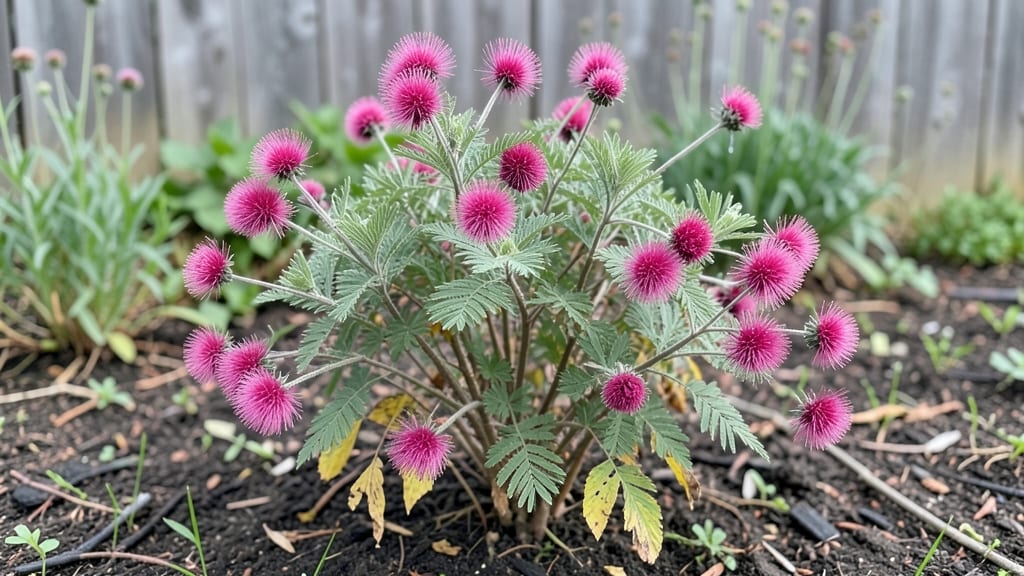
Growing calliandra—those fluffy pink powder puff plants—is like adding a cloud of color to your garden. ✨ They thrive in full sun and demand little fuss once established, making them perfect for sunny borders or container gardens where they’ll bloom from late spring through summer.
The secret to their vibrant puffs lies in well-draining soil and infrequent watering—overwatering is their downfall. I’ve found they’re happiest in zones 8-11, but with a little winter protection, they’ll bounce back year after year. Even in containers, they stay compact and cheerful, perfect for patios or balconies.
By late spring, you’ll see those signature pink blooms emerge, drawing hummingbirds and adding a whimsical touch to any space. Prune lightly after flowering to encourage bushier growth, and watch them pop back with even more color next season.
For cooler climates, treat them as annuals or overwinter indoors with minimal light. Their drought tolerance and low-maintenance nature make them a gardener’s dream—once you try them, you’ll never want to grow anything else in full sun.
📚 In This Guide
- What you need
- Instructions
- Tips and common mistakes
- Wrapping up and next steps
What you need
- ● Powder puff plant seeds or young seedlings: 3–5 plants (or seeds) for a vibrant display. Start with Calliandra eriophylla for classic pink puffs or explore other Calliandra varieties for variety.
- ● Well-draining potting mix: 5–10 gallons, depending on container size. A blend of 60% cactus/succulent mix and 40% perlite or pumice works wonders.
- ● Containers or garden bed: Containers: 5–15 gallon pots with drainage holes (terracotta or fabric grow bags are ideal).
- ● Garden bed: Full sun (6+ hours daily) with loose, rocky soil. Amend clay soil with compost and sand for better drainage.
- ● Slow-release fertilizer: A balanced 10-10-10 or cactus-specific fertilizer (1–2 tbsp per plant).
- ● Basic gardening tools: Trowel, gloves, and pruning shears (for shaping or deadheading).
- ● Watering can or hose with a gentle nozzle: Avoid soggy soil—water deeply but infrequently (every 1–2 weeks once established).
- ○ Mulch (optional but helpful): Gravel or pebbles (1–2 inches) to retain heat and deter weeds.
- ○ Support stakes (optional): For taller varieties (like Calliandra tweediei), use bamboo stakes or small trellises to prevent flopping.
How to plant and maintain powder puff plants for stunning seasonal displays
Here’s the straightforward way to establish these sun-loving perennials for bold, long-lasting blooms.
🌱 Step 1: Choose the Perfect Planting Location
Powder puff plants thrive in full sun, so select a spot that receives at least 6-8 hours of direct sunlight daily. I always test the area first by placing a white board where the plants will go—if it gets hot enough to feel warm to the touch by midday, it’s ideal. Avoid low-lying spots where cold air settles, as these plants dislike soggy roots.
These perennials tolerate a range of soil types but perform best in well-draining, slightly alkaline soil with a pH between 6.5 and 7.5. If your soil is heavy clay, amend it with 2-3 inches of compost mixed into the top 12 inches of soil. Work it in gently to avoid compacting the roots—think fluffy, not packed.
🪴 Step 2: Prepare the Soil and Plant with Care
Dig holes that are just slightly wider than the root ball of your powder puff plants—about 2-3 times the diameter of the container they’re in. Space them 18-24 inches apart to allow for air circulation, which helps prevent fungal diseases. This is especially important in humid climates where powdery mildew can become an issue.
Place each plant in the hole so the top of the root ball sits level with the surrounding soil. Backfill with native soil, pressing lightly to eliminate air pockets but not so firmly that you compact the roots. Water deeply right after planting to help settle the soil and remove any air gaps. You’ll know it’s done right when the soil surface looks slightly damp but not glistening.
☀️ Step 3: Water and Fertilize for Strong Establishment
Keep the soil consistently moist but not waterlogged for the first 4-6 weeks after planting. Water deeply 1-2 times per week, depending on rainfall, until the top 2-3 inches of soil feel dry to the touch. Overwatering at this stage can lead to root rot, so I always check with my fingers before adding more water.
Once established, powder puff plants are drought-tolerant but will reward you with more vibrant blooms if you fertilize lightly in early spring. Use a balanced, slow-release fertilizer (like 10-10-10) at half strength. Apply it around the base of the plant, keeping it at least 6 inches away from the stem to avoid burning the roots. Water immediately after to help distribute the nutrients evenly.
✂️ Step 4: Prune and Deadhead for Continuous Blooms
Prune powder puff plants in early spring by cutting back any dead or damaged stems to ½ inch above the ground. This encourages new growth and keeps the plant looking tidy. I always use clean, sharp pruners to make clean cuts—dull blades can crush stems and invite disease.
Throughout the growing season, deadhead spent blooms by snipping them off just above a set of healthy leaves. This redirects the plant’s energy into producing more flowers instead of seeding. You’ll notice a surge in new blooms within 2-3 weeks of consistent deadheading. In late fall, cut back the stems again to 3-4 inches tall to prepare for winter dormancy.
⏰ Step 5: Overwinter and Protect for Next Season
Powder puff plants are hardy perennials, but they benefit from a little winter protection in colder climates. Once the first hard frost hits, cut back the stems to 2-3 inches tall and apply a 2-3 inch layer of mulch around the base of the plant. This insulates the roots and prevents heaving during freeze-thaw cycles.
In spring, remove the mulch once new growth appears—usually by early April in most regions. Resist the urge to prune again until you see fresh shoots emerging. This ensures the plant has stored enough energy to rebound strongly. With proper care, powder puff plants will return year after year with even more vibrant blooms.
Tips & tricks for perfect powder puff plant displays
Between us, these sun-loving perennials are easier to grow than they look—once you know the little tricks that make all the difference. Here's what nobody tells you about keeping your powder puff plants thriving season after season.
Location Secret: That 6-8 hours of sunlight isn't just about quantity—it's about quality. I've learned the hard way that morning sun paired with afternoon shade works better in hot climates where midday rays can scorch delicate blooms. Test your spot with a white board: if it gets warm to the touch by midday, it's perfect. And remember, powder puff plants hate soggy roots—avoid low spots where water pools after rain.
Soil Preparation Strategy: When amending heavy clay soil with compost, don't just dump it in—mix that 2-3 inches of compost into the top 12 inches of soil. I use a garden fork to gently loosen the native soil first, then work in the compost like you're fluffing a cake batter. This prevents compaction and gives roots room to establish properly. Think "fluffy" not "packed"—roots need air as much as they need nutrients.
Watering Wisdom: Those first 4-6 weeks are critical—water deeply 1-2 times per week until the top 2-3 inches feel dry. Here's my trick: stick your finger in the soil. If it feels like a damp sponge, hold off. If it's dry as a bone, it's time to water. Overwatering at this stage leads to root rot faster than you can say "powder puff." And always water at the base, not overhead—wet foliage invites fungal diseases like powdery mildew.
Pruning Payoff: When you're cutting back stems to ½ inch in early spring, make sure your pruners are clean and sharp. Dull blades crush stems and create wounds that invite disease. I keep a small bottle of rubbing alcohol handy to wipe down blades between cuts. And here's the bonus: that 2-3 week bloom surge after consistent deadheading? Worth every snip. The plants reward you with non-stop color when you redirect their energy away from seeding.
Pro Tips for Powder Puff Plants
- Between us, these sun-loving perennials are easier to grow than they look—once you know the little tricks that make all the difference.
- Location Secret: That 6-8 hours of sunlight isn't just about quantity—it's about quality.
- Soil Preparation Strategy: When amending heavy clay soil with compost, don't just dump it in—mix that 2-3 inches of compost into the top 12 inches of soil.
Frequently asked questions
How often should I water powder puff plants?
These drought-tolerant perennials thrive on infrequent but deep watering. Water them once a week (or when the top 1–2 inches of soil feel dry), and reduce frequency in winter. Overwatering can lead to root rot, so let the soil dry out between sessions.
When is the best time to plant powder puff plants?
Plant them in early spring or early fall for optimal root establishment. Avoid extreme heat (like summer planting), as young plants may struggle. If transplanting, choose a cool, overcast day to minimize stress.
Why aren’t my powder puff plants flowering?
Lack of blooms often stems from too much shade, poor soil, or over-fertilizing. Ensure they get 6+ hours of sunlight daily and well-draining soil. Skip high-nitrogen fertilizers—opt for a balanced, low-dose formula in early spring. Patience helps too; some varieties take 2–3 years to fully mature.
Are powder puff plants deer-resistant?
While they’re less appealing to deer than many other perennials, they’re not deer-proof. Young plants are especially vulnerable. Use repellents, fencing, or companion plants like lavender or Russian sage to deter browsers.
Can I grow powder puff plants in containers?
Choose a large container (12+ inches deep) with drainage holes and a fast-draining potting mix. Ensure it gets full sun and water consistently. Dwarf varieties like Callirhoe involucrata are ideal for pots. Just be ready to divide or repot every 2–3 years as roots grow.
Wrapping up and next steps
Powder puff plants are a fantastic choice for adding vibrant color and texture to your garden while requiring minimal fuss. Their sun-loving nature and low-maintenance care make them perfect for both beginners and seasoned gardeners alike—so don’t hesitate to give them a try! 🌸
Ready to transform your space? Start by selecting your favorite varieties, prepping your soil, and planting them in a sunny spot. Before you know it, your garden will be bursting with cheerful blooms that’ll have your neighbors asking for tips! 🌞