
Pruning
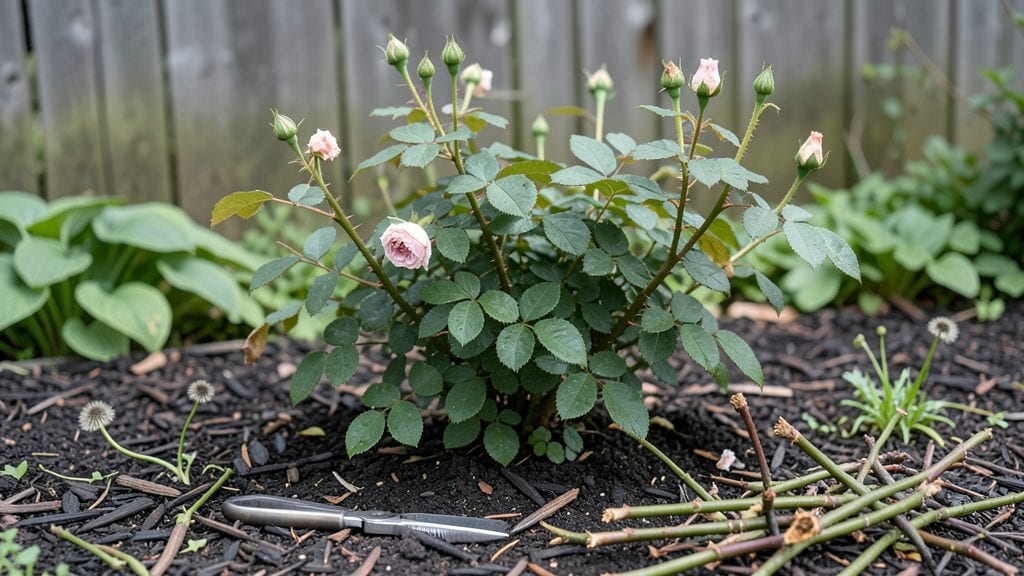
Understanding what pruning plants means reveals a strategic gardening practice that involves carefully cutting back stems, leaves, or roots to sculpt plant form, boost vitality, and maximize yields by channeling resources to the most vigorous areas.
This technique isn't just about aesthetics—it's a biological conversation with your plants.
When you remove certain growth points, you trigger hormonal shifts that redirect energy to remaining branches, often resulting in denser foliage or larger blooms. 🌿 For example, pruning back overgrown shrubs in late winter encourages fresh, vigorous growth when spring arrives, while strategic cuts on fruit trees can dramatically increase harvest size by improving air flow and sunlight penetration.
What many gardeners discover is that timing matters just as much as technique. Pruning at the wrong season can stress plants or even kill them, while proper timing transforms the process from risky surgery to routine maintenance.
The key is understanding each plant's natural growth cycle—some thrive with dormant-season cuts, while others need attention during active growth phases.
💡 In This Article
- How Pruning Affects Plant Growth Mechanisms
- Best Pruning Tools and Seasonal Timing for Different Plants
How pruning affects plant growth mechanisms
When you prune a plant, you're essentially rewiring its growth priorities. The plant hormone auxin plays a starring role here—it naturally flows from the tips of stems and leaves, suppressing lateral buds below.
By removing these growth points, you eliminate auxin's inhibitory effect, allowing dormant buds to wake up and sprout new branches. This is why pinching back the tips of herbs like basil or mint often results in bushier, fuller plants within weeks.
The redistribution of auxin triggers cell division in areas that were previously dormant, creating that lush, multi-stemmed look. 🌱
Pruning also improves a plant's air circulation and sunlight exposure, both critical for health. Dense foliage traps moisture, creating ideal conditions for fungal diseases like powdery mildew. Thinning out branches by 20-30% can reduce disease risk by up to 50% while allowing more light to penetrate to lower leaves.
For example, apple trees pruned to an open-center shape produce fruit that's 15-20% larger on average because each branch receives optimal sunlight. The mechanical stress of cutting also stimulates the production of ethylene, a hormone that helps plants heal faster.
Different pruning techniques yield dramatically different results. Heading back (cutting stems to a bud or branch) encourages shorter, bushier growth—ideal for shrubs like hydrangeas. Thinning (removing entire branches at the base) promotes taller, stronger stems, perfect for fruit trees that need vertical support.
Even root pruning during transplanting triggers the plant to grow more fibrous roots in the new soil. What's fascinating is how plants prioritize recovery: after a severe prune, they'll often produce 2-3 times more new growth in the following season to compensate for lost biomass. 🌿
Timing matters because it affects how the plant responds. Pruning during active growth (spring/summer) encourages immediate new shoots, while dormant-season cuts (late winter) shape the plant's structure without stimulating weak growth.
For instance, roses pruned in February develop stronger canes for the blooming season, whereas summer pruning would produce tender new growth vulnerable to frost.
The key is understanding your plant's natural rhythm—some, like citrus trees, can handle year-round light pruning, while others, like maples, bleed sap excessively if pruned too early in spring.
Here's what actually happens at the cellular level: when you make a clean cut, you sever vascular tissues that transport water and nutrients. Within hours, the plant begins sealing the wound with callus tissue while redirecting resources to nearby buds.
This process is visible as the small bumps you see at pruning sites—each one a potential new growth point. The plant's survival instinct kicks in, prioritizing the development of strong structural elements over rapid leaf production.
This is why a well-pruned tomato plant can produce 30% more fruit than an unpruned one, even though it has fewer leaves. 🍅
One common misconception is that pruning always makes plants grow faster—sometimes it does the opposite. When you remove too much foliage (over 30% of the canopy), the plant diverts energy to recovery rather than fruit production.
This is why professional growers use precise ratios: 10-20% reduction for maintenance, 20-30% for shaping, and only 30-40% for major renovations. The art lies in balancing aesthetic goals with physiological needs—what looks good to you might stress the plant if you're not careful.