Pruning
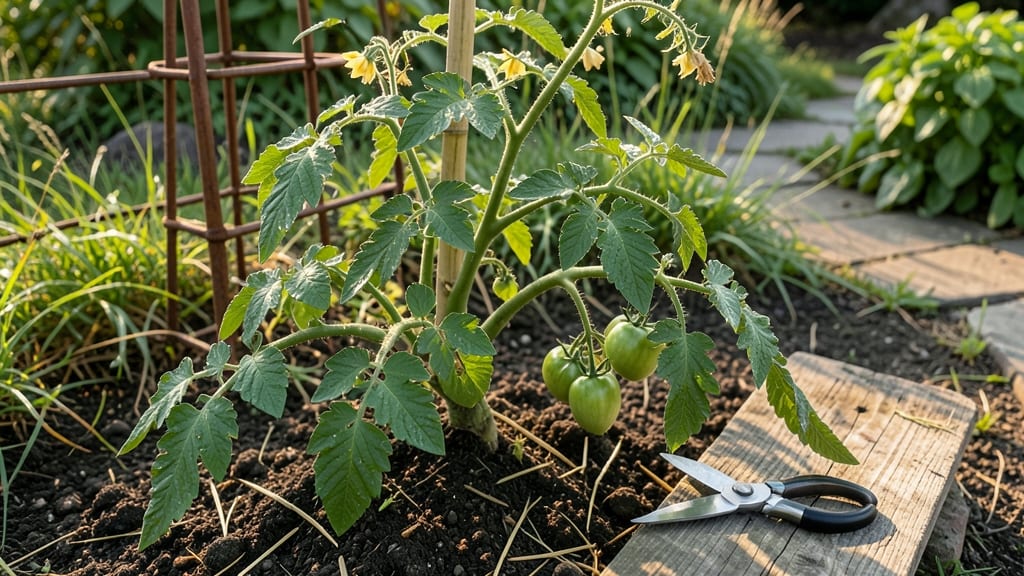
Pruning vegetable plants isn’t just trimming—it’s the secret to year-round harvests and plants that fight disease like they’re in a garden Olympics. 🌱 I’ve seen floppy tomato vines turn into bushy, fruit-loaded powerhouses after just three strategic cuts, and cucumbers that sprawl into a jungle become tidy, high-yielding machines.
The difference isn’t magic; it’s knowing when and how to cut.
You only need three tools: sharp pruning shears (dull blades crush stems), clean hand pruners for smaller jobs, and—this is key—a disinfectant to wipe between cuts. The goal is to shape plants, not hack them.
Tomatoes and peppers respond best to early-season pruning to focus energy on fruit, while greens like kale benefit from trimming to keep them compact and tender. Think of it like giving your plants a haircut—they’ll thank you with better growth.
By summer’s end, you’ll have plants that produce longer, heavier harvests with fewer pests and diseases. Those leggy tomato suckers? Gone. The crowded cucumber vines? Open and airy.
The key is working with the plant’s natural shape—never cut more than a third of the foliage at once, and always cut above a leaf or bud, never at a joint. Your garden will look like a well-edited movie, not a tangled mess.
This method works for any vegetable, from bush beans to indeterminate tomatoes, and adapts to containers or in-ground beds. Start with one plant this season, and watch how quickly the rest of your garden follows suit.
The best part? You’ll spend less time fighting pests and more time enjoying the rewards of a well-pruned, productive plot.
📚 In This Guide
- What you need
- Instructions
- Tips and common mistakes
- Wrapping up and next steps
What you need
- ● Pruning shears: Bypass pruners (sharp, clean blades) for precision cuts—1 pair (look for ergonomic handles for comfort).
- ● Garden gloves: Heavy-duty, cut-resistant (e.g., nitrile-coated) to protect hands—1 pair.
- ● Disinfectant solution: 70% isopropyl alcohol or 10% bleach-water mix (1:9 ratio) to sterilize tools—small spray bottle.
- ● Sharp knife or razor blade: For clean cuts on vines/stems—1 backup tool.
- ● Compost bin or bag: To discard pruned debris—medium-sized container.
- ○ Watering can or hose: For post-pruning hydration—optional but recommended.
- ● Hand lens or magnifying glass: To inspect plant health up close—small, portable model.
- ● Plant growth regulator: Hormone rooting powder (e.g., for cuttings)—small jar.
- ● Label markers: To tag pruned sections if saving for propagation—waterproof labels.
- ● Knee pad or stool: For comfort during low-to-the-ground pruning—ergonomic design.
Step-by-Step guide to pruning vegetable plants for bigger harvests
Here’s the simple, science-backed method I use to keep my veggies productive all season—no fancy tools needed.
✂️ Step 1: Remove Dead or Diseased Foliage First
Start by scanning each plant for yellowed, brown, or spotted leaves—these are energy vampires. Grab your pruners and snip them at the base, just above a healthy leaf or stem. I always work from the bottom up because dead leaves trap moisture and invite rot. If you see any mushy stems or blackened spots, cut those off immediately to prevent the disease from spreading.
Real talk: Don’t skip this step, even if the plant looks mostly healthy. One diseased leaf can weaken the whole plant over time. After trimming, toss the clippings in the trash—not the compost—unless you’re certain the plant was never diseased.
✂️ Step 2: Thin Overcrowded Growth for Better Airflow
Now focus on the plant’s structure. If branches or leaves are rubbing together or blocking sunlight from the center, it’s time to thin. For bushy plants like tomatoes or peppers, aim to leave 3-4 main stems and remove any suckers (those little shoots growing between the main stem and branches). For leafy greens like kale or collards, cut the outer leaves first to encourage new growth from the center.
You’ll know you’ve done it right when sunlight reaches the inner leaves and stems stop touching. This isn’t just about looks—better airflow means fewer pests and stronger plants. I like to step back and squint at the plant after pruning to check for gaps. If it still looks dense, trim a little more.
✂️ Step 3: Encourage Fruit Production with Strategic Cuts
For fruiting plants like tomatoes, peppers, or cucumbers, the goal is to redirect energy toward fruit instead of leaves. Pinch off any flowers or small fruit clusters that appear early in the season—this might seem counterintuitive, but it forces the plant to focus on growing stronger stems and leaves first. Once the plant has 4-5 main branches with a few leaves each, you can let the flowers stay.
For indeterminate tomatoes, I also prune the lower leaves up to 12 inches from the ground—this keeps the fruit higher off the soil and improves airflow. Watch for new suckers forming at the base of the main stem and remove them before they grow more than 2 inches long. You’ll see a difference in fruit size and yield within a few weeks.
⏰ Step 4: Time Your Cuts for Maximum Growth
Prune in the early morning when plants are hydrated but not yet stressed by heat. Avoid trimming after a heavy rain or when temperatures exceed 85°F, as the plants will struggle to recover. I also make a habit of pruning every 2-3 weeks during the growing season to keep plants in check without overdoing it.
Here’s the thing—don’t prune too late in the season. If your growing season is short, stop pruning 4-6 weeks before the first frost so the plant can focus on ripening existing fruit. You’ll know you’ve timed it right when you see new growth spurt within 5-7 days of pruning.
Tips & tricks for pruning vegetable plants
Here's what nobody tells you about pruning that'll transform your garden's productivity.
Disease Prevention: In Step 1, when removing diseased foliage, sterilize your pruners between cuts by wiping them with rubbing alcohol or dipping in a bleach solution (1 part bleach to 9 parts water). This prevents spreading pathogens from one infected plant to another healthy one. I learned this the hard way after losing an entire tomato plant to blight. Also, never compost diseased plant material—it can harbor spores that survive composting.
Visual Cue for Proper Pruning: After thinning in Step 2, hold your hand about 6-8 inches above the plant. If you can see light through the gaps between leaves and stems, you've achieved the right balance. This open structure allows sunlight to penetrate to the inner leaves and stems, which is crucial for photosynthesis. Think of it like creating a canopy with proper ventilation—just like how you'd arrange furniture in a room for optimal airflow.
Strategic Timing for Fruit Production: When following Step 3 for fruiting plants, focus on removing suckers that grow between the main stem and branches. These suckers compete with your main fruit clusters for nutrients. For indeterminate tomatoes, I recommend removing suckers that are larger than 2 inches—this size is the sweet spot where they're easy to spot but haven't yet drained too much energy from the plant. Watch for new suckers to appear every 6-8 inches up the stem.
Heat Management: The instructions mention avoiding temperatures above 85°F, but here's the thing: if you must prune in hotter conditions, do it in the late afternoon when temperatures start to drop. Also, water your plants thoroughly before pruning to help them recover faster. I've found that plants pruned in the early morning (as recommended) show new growth within 5-7 days, while those pruned in hotter afternoons may take up to 10 days to respond.
Pro Tips for Prune Vegetable Plants
- Here's what nobody tells you about pruning that'll transform your garden's productivity.
- Disease Prevention: In Step 1, when removing diseased foliage, sterilize your pruners between cuts by wiping them wit...
- Visual Cue for Proper Pruning: After thinning in Step 2, hold your hand about 6-8 inches above the plant. If you can ...
Frequently asked questions
about pruning vegetable plants can help clarify doubts and ensure a thriving garden. Here are answers to the most common queries:When is the best time to prune vegetable plants?
Timing depends on the plant! For determinate veggies (like tomatoes and peppers), prune during the growing season to improve airflow and fruit production. For indeterminate varieties (e.g., cucumbers, beans), focus on early pruning to encourage bushier growth. Always prune in the morning when plants are dry to reduce disease risk.
What if I prune too much?
Over-pruning can stress plants and reduce yields. Stick to removing only 1/3 of the foliage at a time—especially for heavy producers like tomatoes or eggplants. If you’ve already trimmed too much, water deeply, fertilize lightly, and monitor for pests or disease. Most plants bounce back with proper care!
Can I use regular scissors or do I need special pruners?
For small plants or tender stems (like herbs or leafy greens), clean bypass pruners or sharp scissors work fine. For thicker stems (tomato suckers, squash vines), invest in disinfectable pruning shears to prevent disease spread. Always sterilize tools with rubbing alcohol between cuts!
Will pruning affect my vegetable’s flavor or yield?
Pruning improves yield and flavor by redirecting energy to fruit production! Removing crowded leaves enhances airflow, reducing rot and pests. For example, pruning tomato suckers boosts larger, sweeter fruit. Just avoid heavy pruning late in the season—focus on early cuts for the best results.
What should I do with the pruned leaves and stems?
Don’t toss them! Use pruned material as mulch (spread under plants to retain moisture) or compost it (avoid diseased plants). Small stems can even root in water to propagate new plants—great for herbs or basil! Just skip woody stems, which decompose slowly.
Can I prune vegetable plants in winter?
Winter pruning depends on your climate. In mild winters, prune dead or diseased foliage to prep for spring. In frost-prone areas, wait until early spring to avoid cold damage. For perennial veggies (like asparagus or rhubarb), prune back in late winter before new growth starts.
| Quick Troubleshooting Guide |
|---|
Issue | Solution
|
Wrapping up and next steps
Pruning your vegetable plants isn’t just about tidying up—it’s a game-changer for bigger harvests, healthier growth, and year-round productivity! 🌱 By mastering the three strategic cuts (apical, lateral, and rejuvenation), you’ll encourage stronger stems, more flowers, and a bountiful table.
Whether you’re a seasoned gardener or just starting, these techniques make pruning simple, effective, and rewarding.
Ready to transform your garden? Grab your pruners, pick a sunny day, and start with just one plant—you’ll see the difference in weeks! For extra confidence, check our FAQs or explore essential tools to make pruning even easier. Happy gardening!