
Pruning
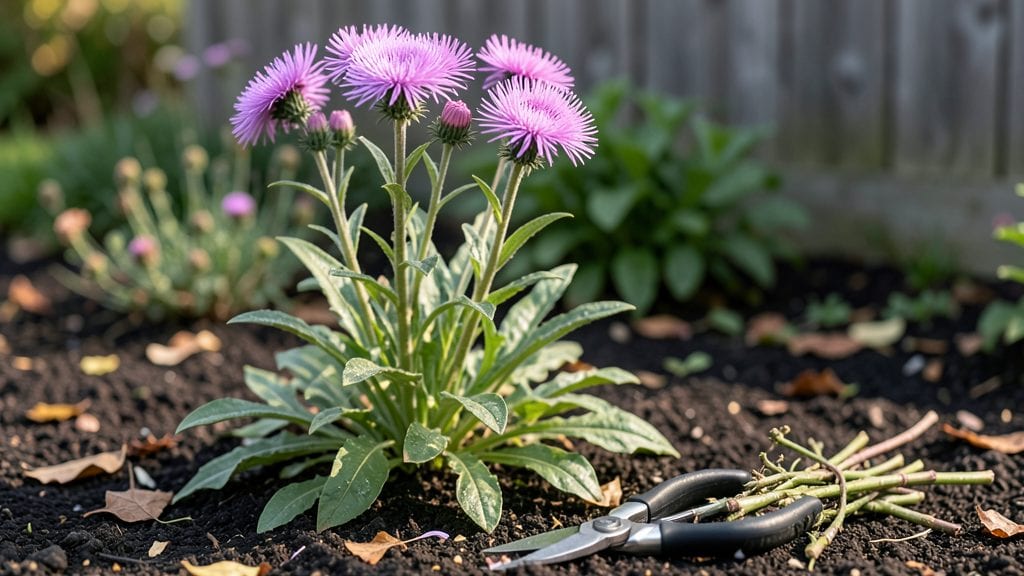
Pruning asters plants keeps them blooming until frost. ✨ I’ve watched my New England asters go from sparse stems to a lush, flower-covered bush just by cutting back at the right times—and it’s not as tricky as it sounds.
The key is timing: deadhead spent blooms all summer, trim back leggy growth in late winter, and avoid cutting into old wood after the first frost. You’ll need sharp pruners and a clear day to work, but the process takes less than 30 minutes for most bushes.
The goal is to encourage new growth while keeping the plant healthy and compact.
What you’ll get is a second wave of blooms in late summer, thicker stems, and fewer pests. My asters now flower for 6+ weeks instead of just a few weeks, and the foliage stays vibrant until winter.
The best part? You can mulch around the base right after pruning to protect roots and keep weeds down.
Works for both perennials like New England asters and annual varieties—just adjust the timing based on your climate. Whether you’re a beginner or a seasoned gardener, this method makes a real difference in how long your asters shine.
📚 In This Guide
- What you need
- Instructions
- Tips and common mistakes
- Wrapping up and next steps
What you need
- ● Pruning shears: Sharp, bypass-style shears (4–6 inches) for clean cuts—sterilize with rubbing alcohol before and after use.
- ● Hand pruners: For smaller stems or tight spaces (smaller blades, ~3–4 inches).
- ● Gloves: Heavy-duty gardening gloves (nitrile-coated for grip and protection).
- ● Disposable garden bag or bucket: To collect clippings (5–10 gallon capacity).
- ● Hose with nozzle or watering can: For rinsing tools and refreshing plants post-prune.
- ● Rag or paper towels: For wiping blades and cleaning sap/sticky residue.
- ● Loppers: For thicker stems (if your asters are over 3 feet tall).
- ● Fungicide spray: Copper-based or neem oil (to prevent disease if cuts are made in damp conditions).
- ● Plant food or compost: Balanced fertilizer (10-10-10) or compost to nourish asters after pruning.
- ● Knee pad or stool: For comfort if you’re working with large or ground-level plants.
- ● Notebook & pen: To jot down pruning notes (e.g., dates, growth patterns).
Step-by-step guide to pruning asters for abundant blooms
Here's how to keep your asters flowering all season long with minimal effort.
🌿 Step 1: Deadhead Spent Blooms Early in the Season
Start by pinching off faded flowers as soon as they begin to wilt. Use your fingers or clean pruners to remove the entire spent bloom cluster down to the first set of healthy leaves. This simple act tells the plant to redirect its energy into producing new buds instead of setting seed.
I like to do this on a dry morning after the dew has evaporated. The stems will be firmer, making it easier to grip and avoid tearing. Watch for new side shoots forming within 1-2 weeks—that's your sign the plant is responding well. If you skip this step, your asters will put all their energy into seed production and stop flowering entirely.
✂️ Step 2: Light Pruning for Shape and Airflow
About 6 weeks after planting, give your asters a light trim to encourage bushier growth. Cut back the longest stems by about one-third to promote branching. Focus on stems that are growing toward the center of the plant or crossing others, as these create crowded, shaded areas that invite disease.
Use sharp pruners to make clean cuts at a 45-degree angle just above a leaf node. This angled cut helps water run off instead of pooling on the stem. After pruning, step back and look at the plant—you should see an open, airy structure that lets sunlight reach all the leaves. This step prevents that leggy, floppy look that makes asters look tired by midsummer.
🌱 Step 3: Mid-Season Renewal Cut for Late Blooms
When your asters start to look a bit ragged around mid-July, give them a mid-season boost. Cut back the entire plant by about half its height, but leave at least 6-8 inches of growth. This might seem drastic, but asters are tough plants that respond beautifully to this rejuvenation.
I always do this on a cloudy day to reduce stress on the plant. Water deeply the day before and after pruning to help the plant recover quickly. Within 3-4 weeks, you'll see fresh new growth emerging from the base. This second flush of blooms often lasts well into fall, giving you extended color in the garden.
⏰ Step 4: Final Cleanup for Next Season
After the first frost blackens the foliage, cut back the stems to about 2 inches above the ground. Remove all debris from the planting area to prevent overwintering pests. While asters are perennial in many climates, this cleanup helps them store energy more efficiently for next year's growth.
I like to mark the planting location with a small stake or garden twine so I remember where these reliable performers are growing. In spring, you'll often see fresh shoots emerging by late March or early April, depending on your climate. This final step ensures your asters come back even stronger next year with minimal effort on your part.
Tips & tricks for pruning asters for longer blooms
A few key strategies will help you get the most out of your pruning routine—these are the tricks that make all the difference between a few weeks of blooms and a full season of color.
The Timing Factor: Don't wait until flowers are completely brown to deadhead in Step 1. Look for the first signs of wilting—usually when the petals start curling at the edges. Removing them early prevents the plant from wasting energy on seed production. I've seen asters that bloomed continuously for months because I caught those early wilting signs, while neglected plants stopped flowering after just a few weeks.
Tool Selection: While fingers work for small clusters, invest in a good pair of sharp pruners for larger stems. Dull blades crush stems and create entry points for disease. I keep a small pair in my gardening tote specifically for asters—they make quick work of those tough stems without tearing. For the angled cuts in Step 2, a pair with a precision tip helps you make clean cuts every time.
Seasonal Strategy: That mid-July renewal cut in Step 3 is your secret weapon for fall blooms. I've had asters still flowering in October because of this step. The key is to time it right—wait until you see some signs of stress (yellowing leaves or leggy growth) before making the cut. This tells you the plant has already put its energy into early blooms and is ready for a fresh start.
Post-Pruning Care: After any significant pruning (especially the mid-season cut), give your asters some extra TLC. I always water deeply the day before and after cutting back, and I avoid fertilizing for at least two weeks. This helps the plant focus on root and leaf regrowth rather than producing more flowers immediately. The new growth you'll see in 3-4 weeks is your reward for this patience.
Pro Tips for Pruning Asters Plants
- A few key strategies will help you get the most out of your pruning routine—these are the tricks that make all the difference between a few weeks of blooms and a full season of color.
- The Timing Factor: Don't wait until flowers are completely brown to deadhead in Step 1.
- Tool Selection: While fingers work for small clusters, invest in a good pair of sharp pruners for larger stems.
Frequently asked questions
Got questions about pruning asters?
Here are answers to the most common ones—so you can keep your plants thriving and blooming beautifully all season!
When is the best time to prune asters for more flowers?
Prune asters after the first flush of blooms (late summer) to encourage a second, more abundant flowering. Avoid pruning in early spring or fall, as this can stress the plant. Focus on removing spent blooms and leggy stems—this keeps energy flowing to new growth!
How late in the season can I prune asters?
You can prune asters until the first hard frost, but stop by early October to allow time for new growth to harden off. Late pruning may reduce winter hardiness, especially in colder climates. Aim to finish by mid-fall for the best results.
Do I need to sterilize my pruners between cuts?
Yes! Sterilizing your pruners with rubbing alcohol or a 10% bleach solution prevents spreading disease. Asters are prone to fungal issues like powdery mildew, so clean tools between cuts—especially if you’re pruning multiple plants or moving between gardens.
What if my asters don’t rebloom after pruning?
If your asters skip the second bloom, check for overcrowding, poor soil, or pests. Ensure they get 6+ hours of sun and well-draining soil. Deadhead regularly, and fertilize lightly with a balanced 10-10-10 mix after pruning. If issues persist, consider dividing clumps every 3–4 years for better airflow.
Can I prune asters too aggressively?
Over-pruning—cutting more than ⅓ of the plant—can weaken asters, leaving them vulnerable to disease or stunted growth. Focus on removing only dead, diseased, or spent stems. For a bushier look, trim back leggy growth by ⅔, but leave some foliage to support photosynthesis.
Wrapping up and next steps
Pruning your asters doesn’t have to be intimidating—it’s all about timing, technique, and a little patience! 🌸 By following seasonal guidelines and keeping your tools sharp, you’ll encourage healthier growth and stunning, longer-lasting blooms all season.
Whether you’re a novice gardener or a seasoned pro, a little trim can make a big difference in your garden’s beauty.
Ready to take the next step? Grab your pruners and head outside! Start small—pick just one aster plant to practice on, and soon you’ll be a pruning pro. Happy gardening! 🌿