
Pruning
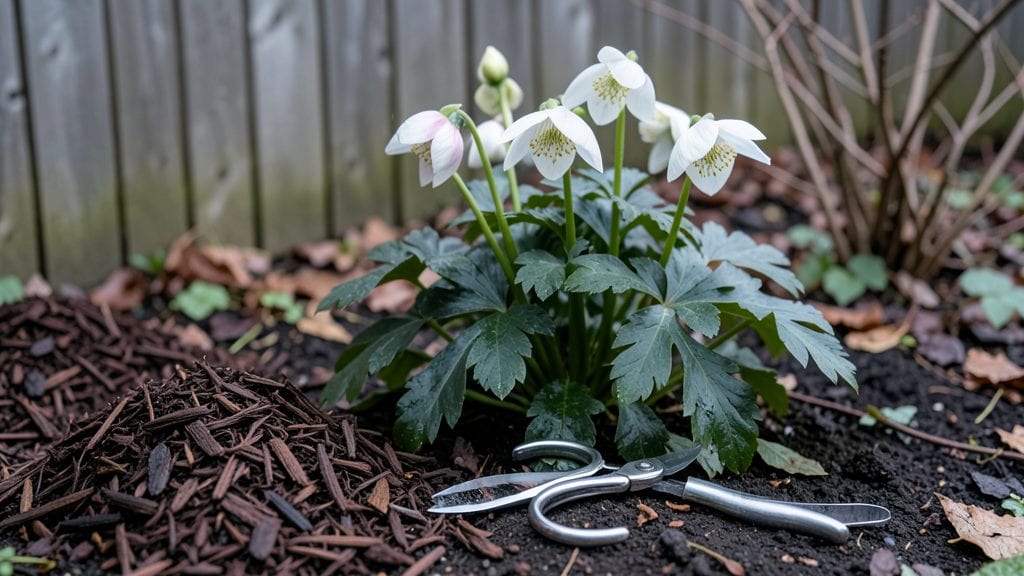
Pruning hellebores isn’t just about tidying up—it’s the secret to keeping them blooming like clockwork all season long. ✨ I’ve learned that most gardeners either prune too much or too little, both of which rob these tough plants of their natural rhythm.
The key is working with their slow-and-steady growth, not against it.
You’ll only need three simple tools: sharp pruning shears, gloves (to protect from those prickly stems), and a small bucket for clippings.
Timing matters most—wait until after the first flush of blooms in early spring, then again in late summer, and finally in early winter to clean up any dead foliage. Each trim takes just 10 minutes and makes a world of difference in how full and healthy your plants look.
By following this three-step approach, you’ll end up with hellebores that look like they’ve been professionally landscaped, with glossy leaves and fresh buds ready to burst open.
The plants reward precision with longer bloom seasons and fewer floppy stems, plus they’ll spread more reliably when you give them the right care. Here’s exactly how to do it without a single guess.
This method works whether you’re dealing with a single plant or a whole woodland garden—just adjust the timing slightly for your local climate. The biggest mistake? Cutting back too early or too aggressively. Let me show you how to get it right the first time.
📚 In This Guide
- What you need
- Instructions
- Tips and common mistakes
- Wrapping up and next steps
What you need
- ● Pruning shears: Bypass pruners (sharp, clean, and with a 4- to 6-inch blade) for clean cuts. Avoid anvil pruners—they crush stems.
- ● Garden gloves: A pair of nitrile-coated gloves (medium thickness) to protect against thorns and soil bacteria.
- ● Disinfectant: 70% isopropyl alcohol or a garden disinfectant spray (e.g., 10% bleach solution) to sterilize tools between cuts.
- ● Compost bin or bag: A 10-gallon capacity for disposing of pruned foliage (hellebores are not compostable if diseased).
- ● Watering can or hose: With a fine mist nozzle for post-pruning hydration.
- ● Hand lens or magnifying glass: For inspecting stems for pests or disease up close.
- ● Mulch: Shredded bark or pine needles (2–3 inches) to retain moisture and suppress weeds post-pruning.
- ● Fertilizer: A balanced, slow-release fertilizer (10-10-10) or bone meal (1 tbsp per plant) to replenish nutrients after trimming.
- ● Knee pad or stool: For comfort when working with mature hellebore clumps.
How to prune hellebore plants for continuous, stunning blooms
Hellebores reward careful pruning with months of fresh flowers. Here's my three-season method that keeps them thriving.
✂️ Step 1: Late Winter Cleanup (After Blooming)
Wait until after the first frost and when the foliage has fully yellowed—usually late February to early March. This is the only time you remove spent blooms completely. Grab your pruners and cut back the flower stems to the base, but leave the foliage untouched. The leaves protect the crown and store energy for next year's blooms.
I always wear gloves for this step—hellebore foliage can be slightly irritating to sensitive skin. Remove any dead or brown leaves by gently pulling them away. Never cut healthy foliage unless it's completely blackened from winter damage. Healthy leaves will still look green underneath any frost damage.
🌿 Step 2: Mid-Summer Deadheading (June-July)
When you notice 50% of the old flower stems have dried out but new buds are forming at the base, it's time for selective pruning. Use your fingers to gently pinch off the faded seed pods before they split open. This redirects energy to the fresh buds forming below rather than seed production.
I never cut into the green growth—just remove what's already brown and dried. The new buds will emerge from the base of the plant, often hidden under the foliage. If you're unsure, wait a week and check again before pruning. You'll see fresh green buds forming at the base of the plant.
🌱 Step 3: Post-Bloom Maintenance (September-October)
After the final flush of blooms in late summer, remove only the completely spent flower stems. Cut them back to where the new growth begins, but leave the foliage intact. This prevents disease by removing potential hiding spots for pests while maintaining the plant's energy reserves.
Here's the thing—never cut back more than one-third of the foliage at any time. Hellebores store nutrients in their leaves, and removing too much weakens the plant. I always step back and look at the plant as a whole before making cuts. If it looks bare, I've gone too far.
⏰ Step 4: Optional Light Pruning (November)
If your hellebores develop any mushroom-shaped growths (a sign of botrytis fungus), remove only those affected areas immediately. Cut back to healthy green tissue, sterilizing your pruners with rubbing alcohol between cuts. This is your last pruning of the year and focuses solely on disease prevention.
Don't worry if your hellebores look messy in winter—they're designed to handle it. The key is to wait until you see new growth in spring before making any major cuts. You'll know you've pruned correctly when you see fresh green buds emerging in early spring, often before the old foliage has completely died back.
Tips & tricks for perfect hellebore pruning
Hellebores are forgiving plants, but these precision tips will ensure you get the most stunning blooms year after year without stress.
Timing is Everything: In Step 1, don't rush the late winter cleanup. The foliage must be fully yellowed and crispy—this usually happens after the first frost in late February to early March. If you prune too early, you'll remove flower buds that haven't even formed yet. I've learned this the hard way after cutting back too soon and missing the first flush of blooms. Wait for that telltale yellowing before touching your pruners.
Visual Cues Matter: During Step 2's mid-summer deadheading, look for that 50% dried-out threshold before pruning. The remaining stems should still have some green life, but the lower half should be completely brown and papery. This is your signal that new buds are forming at the base. I always do a quick visual check by holding the stem up to the sky—if it's more brown than green, it's ready to go.
Protect the Foliage: Remember in Steps 1 and 3 that hellebore leaves are their energy storage system. Never remove more than one-third of the foliage at any time. I've seen gardeners accidentally shear off too much healthy leaf, which can weaken the plant for next year's blooms. Step back and look at the whole plant before making cuts—if it looks bare, you've gone too far.
Disease Prevention: For Step 4's optional November pruning, sterilize your pruners between cuts if you're dealing with botrytis fungus. I use rubbing alcohol on a paper towel—it's quick and prevents spreading the disease to healthy parts of the plant. This is especially important if your hellebores have those telltale mushroom-shaped growths.
Pro Tips for Pruning Hellebore Plants
- Hellebores are forgiving plants, but these precision tips will ensure you get the most stunning blooms year after year without stress.
- Timing is Everything: In Step 1, don't rush the late winter cleanup.
- Visual Cues Matter: During Step 2's mid-summer deadheading, look for that 50% dried-out threshold before pruning.
Frequently asked questions
Got questions about keeping your hellebores thriving with the right pruning? Here are some of the most common concerns—and their answers—to help you prune like a pro!
When is the best time to prune hellebores?
Prune hellebores after they finish blooming in late spring (May-June) and again in early fall (September-October). Avoid pruning in winter or during active growth—this can stress the plant. Light deadheading of spent blooms can be done throughout the season to encourage new flowers.
Do I need to prune hellebores every year?
Not necessarily! Hellebores are low-maintenance and can go years without pruning. Only prune if the foliage looks cluttered, diseased, or dead. Focus on removing only what’s necessary—over-pruning can weaken the plant. Think of it as a "less is more" approach!
What if I cut too much off by mistake?
Don’t panic! Hellebores are resilient. If you accidentally trim too aggressively, stop immediately. The plant will recover, though you might see fewer blooms that year. Next time, aim to remove no more than 1/3 of the foliage per prune. When in doubt, less is better!
Can I prune hellebores in winter?
Winter is not the ideal time to prune hellebores. The plant is dormant, and cutting back now can expose it to cold damage or pests. Wait until late winter (February) for a light cleanup of dead leaves, but avoid heavy pruning. Save major trims for spring or fall.
What should I do with the pruned leaves?
Remove pruned leaves from the garden to prevent fungal diseases or pests. You can:
- Compost healthy, disease-free leaves.
- Dispose of diseased leaves in the trash (not compost).
- Use them as mulch around other plants (if free of pests).
Do hellebores need pruning if they’re not blooming?
Yes! Even non-blooming hellebores benefit from pruning to remove yellowed, brown, or dead leaves. This improves airflow, reduces disease risk, and encourages healthier growth. Focus on rejuvenation—cut back old foliage to stimulate fresh, vibrant leaves for next season.
Wrapping up and next steps
Pruning your hellebore plants doesn’t have to be intimidating—just a few strategic trims can keep them thriving and blooming beautifully year-round! 🌿 With the right tools, timing, and techniques, you’ll encourage healthier growth, prevent overcrowding, and showcase those stunning flowers with ease.
Start small, stay consistent, and soon your garden will reward you with lush, vibrant hellebores for seasons to come.
Ready to take the next step? Grab your pruners and give your hellebores the care they deserve! For extra confidence, watch a quick video tutorial or join a local gardening group to swap tips with fellow plant lovers. Happy pruning!