
Pruning
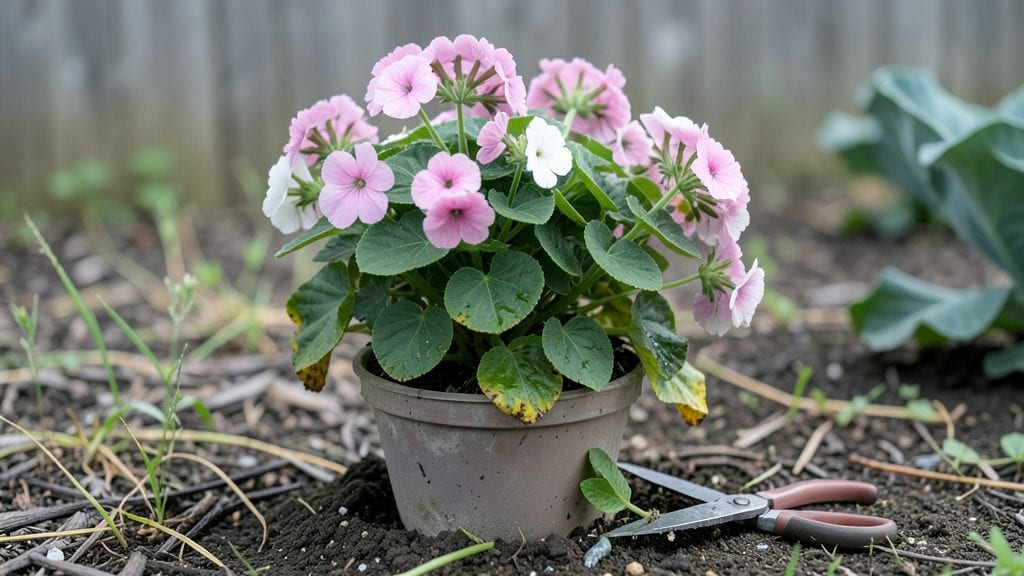
Pruning impatiens plants isn’t just about keeping them tidy—it’s how you get those nonstop blooms from spring until frost. I’ve learned the hard way that skipping this step means fewer flowers and leggy stems that flop over by midsummer.
The secret lies in timing and technique, and once you master it, your impatiens will reward you with vibrant color all season long.
You’ll only need a few tools: a pair of clean, sharp pruners (bypass pruners work best), a small pair of gloves to protect your hands from sap, and a bucket to collect spent blooms.
The real magic happens in three simple steps—pinching back new growth early in the season, deadheading faded flowers regularly, and giving the plant a mid-season trim to encourage bushier growth. It takes just 10 minutes every few weeks to keep them thriving.
After pruning, your impatiens will bounce back with fresh new growth within days. Water them thoroughly to help them recover, and consider a light feeding with a balanced fertilizer to support that extra burst of blooms.
The key is to never cut more than a third of the plant at once, and always snip just above a leaf node. This ensures the plant keeps producing new stems and flowers instead of going into shock.
This method works for both shade-loving New Guinea impatiens and the classic busy Lizzie varieties. Whether you’re growing them in hanging baskets, window boxes, or garden beds, the same principles apply.
With a little practice, you’ll have impatiens that look like they’ve been professionally groomed—and they’ll keep blooming until the first hard frost.
📚 In This Guide
- What you need
- Instructions
- Tips and common mistakes
- Wrapping up and next steps
What you need
- ● Sharp, clean pruning shears – Bypass pruners (4-6" blades) for precision cuts; sterilize with rubbing alcohol before and after use.
- ● Gloves – Lightweight gardening gloves to protect hands from thorns (some varieties have mild prickles) and dirt.
- ● Disposable pruning bags – 1-2 gallon-sized bags to collect clippings and prevent disease spread.
- ● Compost bin or bucket – For disposing of healthy, disease-free pruned stems.
- ● Horticultural oil or fungicide spray – For sterilizing tools if pruning diseased plants (follow label instructions).
- ● Plant ties or stakes – If your Impatiens are leggy, lightweight stakes can support them post-pruning.
- ● Slow-release fertilizer – A balanced 10-10-10 or 20-20-20 formula (1 tbsp per plant) to boost recovery after pruning.
- ○ Mulch (optional) – Shredded bark or straw to retain moisture and protect roots after heavy pruning.
- ● Timing – Prune on a dry, overcast day or early morning to reduce stress on the plant.
- ● Health check – Inspect plants for pests (aphids, spider mites) or fungal spots (like powdery mildew) before pruning.
- ● Watering – Water plants 24 hours before pruning to ensure they’re hydrated but not soggy.
Instructions for pruning impatiens plants
Keep your impatiens flowering nonstop with these simple pruning techniques—no green thumb required.
Identify and Remove Spent Blooms
Start by pinching off individual spent flowers at the base where they meet the stem. I always do this first thing in the morning when blooms are still crisp, so I can see the faded ones clearly. Use your thumb and forefinger to gently twist the bloom off—no need for shears here. This encourages new buds to form along the stem, which is how you get that lush, bushy look.
Watch for clusters of blooms that have all opened and turned brown. These are ready for removal. If you skip this step, the plant will focus energy on setting seed instead of producing more flowers. I promise, your impatiens will thank you with fresh blooms within a week.
Trim Back Leggy Growth
After deadheading, inspect the plant for stems that have stretched too tall or grown thin and sparse. These leggy stems won’t produce many flowers and make the plant look unbalanced. Using clean, sharp pruning shears, cut just above a set of leaves where the stem is about 1/4 inch thick. This ensures the cut heals quickly and new growth emerges strong.
Don’t cut into woody stems—impatiens are tender and won’t regrow from old wood. If you see stems that feel hard or dry, leave them alone. Focus on the softer, green growth where new blooms will appear. You’ll notice the plant fills out faster and stays compact if you trim leggy growth every 2-3 weeks during peak blooming season.
Shape the Plant for Fullness
Step back and look at your impatiens from all sides. If one area looks sparse, gently pinch back the tips of the healthiest stems in that spot. This redirects energy toward filling in gaps. Use your fingers to pinch just above a leaf node—no need for shears here. The goal is to encourage branching, which leads to more flowers and a bushier habit.
For a rounded shape, trim the outermost stems slightly shorter than the inner ones. This prevents the plant from growing too tall and top-heavy. I like to do this after rain when the stems are pliable and easier to shape. You’ll see new growth filling in within 10-14 days, so don’t worry if it looks uneven right after pruning.
Clean Up and Prevent Disease
After pruning, remove all spent blooms and trimmings from the area around your impatiens. Leaving them on the ground or in the pot can attract pests or fungal diseases. I always toss them in the compost bin—never leave them near the plant. Wipe your pruning shears with rubbing alcohol between cuts to prevent spreading any hidden pathogens.
If you notice yellowing leaves or black spots, prune those immediately and dispose of them in the trash, not the compost. Impatiens are sensitive to overcrowding and poor air circulation, so avoid trimming too aggressively. A little maintenance goes a long way—your plants will stay healthy and keep blooming all season long.
Adjust for Seasonal Changes
In late summer, when blooms slow down, give your impatiens a light trim to remove any dead or dying foliage. This helps the plant redirect energy toward storing nutrients for next year. If you’re growing in a container, you can even give it a 1/3 turn to ensure even light exposure on all sides. This prevents the plant from leaning toward the sun.
Before the first frost, cut back the entire plant by half to encourage new growth in spring. If you’re in a warmer climate, you can keep impatiens going year-round with minimal pruning—just focus on deadheading and shaping. The key is consistency: a little attention now means vibrant blooms later.
Tips & tricks for pruning impatiens plants
A few simple tricks can transform your impatiens from occasional bloomers to nonstop flowering stars. These insights will help you master the art of pruning without stress.
Timing is Everything: I can't stress enough how important morning deadheading is. The cooler temperatures and crisp blooms make it much easier to spot spent flowers. If you miss a day, don't worry—just focus on removing entire clusters of brown blooms. The key is consistency, not perfection. You'll notice a dramatic difference in new flower production within just a week of regular maintenance.
Tool Selection Matters: While you can pinch off spent blooms with your fingers, invest in a good pair of clean, sharp pruning shears for trimming leggy growth. The 1/4-inch thick guideline from Step 2 ensures you're cutting at the right spot—just above a leaf node. Dull shears can crush stems, so sharpen yours regularly or use small scissors in a pinch. Always wipe them with rubbing alcohol between cuts to prevent disease spread.
Seasonal Adjustments: The 10-14 days window mentioned for new growth after shaping is a great reminder that impatiens respond quickly to pruning. In late summer, when blooms slow down, focus on removing only the most obvious dead growth. The 1/3 turn for container plants ensures even light exposure, which prevents that lopsided look many gardeners struggle with. Before frost, that half-cut-back is your secret weapon for next year's vigorous growth.
Visual Cues for Healthy Pruning: When shaping your plant, look for stems that are 1/4 inch thick or thicker—they're the ones ready for trimming. For deadheading, focus on blooms that have turned completely brown and feel dry to the touch. The goal is to remove what's clearly spent, not to over-prune healthy growth. Your impatiens will reward you with bushier, more abundant blooms when you follow these simple visual cues.
Pro Tips for Pruning Impatiens Plants
- A few simple tricks can transform your impatiens from occasional bloomers to nonstop flowering stars.
- Timing is Everything: I can't stress enough how important morning deadheading is.
- Tool Selection Matters: While you can pinch off spent blooms with your fingers, invest in a good pair of clean, sharp pruning shears for trimming leggy growth.
Frequently asked questions
Got questions about keeping your impatiens blooming beautifully? Here are answers to the most common concerns—no green thumb required!
When is the best time to prune impatiens?
Prune impatiens throughout the growing season—spring, summer, and even early fall. Focus on deadheading (removing spent blooms) every 1-2 weeks to encourage continuous flowering. For heavier pruning (like shaping or reviving leggy plants), do it in early spring or after a light frost in fall.
How do I prune impatiens without harming the plant?
Use clean, sharp pruners or your fingers to pinch off spent blooms or leggy stems just above a leaf node. Avoid cutting into woody stems—impatiens are tender perennials (or annuals) and don’t handle harsh pruning well. Never cut more than 1/3 of the plant at once to prevent shock.
Can I prune impatiens in hot or cold weather?
Avoid pruning during extreme heat (above 90°F) or freezing temps (below 40°F). Stick to mild mornings (60–80°F) for best results. If you must prune in heat, do it early in the day to reduce stress, and water thoroughly afterward.
What if my impatiens look leggy after pruning?
Leggy growth happens when plants stretch for light. To fix it, trim back the longest stems by 1/2 to encourage bushier growth. Move the plant to a sunnier spot (but avoid harsh afternoon sun) and fertilize lightly with a balanced, water-soluble fertilizer (like 10-10-10). Pinch back new growth tips to promote branching.
Can I propagate impatiens from pruned cuttings?
Place 4–6 inch cuttings in water or moist potting mix (like perlite + peat). Keep them in bright, indirect light and maintain humidity with a plastic bag. Roots should form in 2–4 weeks. Once rooted, transplant to soil and enjoy free new plants!
Wrapping up and next steps
Pruning your impatiens plants doesn’t have to be intimidating—it’s all about timing, technique, and a little love! 🌸 By mastering deadheading and seasonal trims, you’ll keep those vibrant blooms coming all year long.
Remember, consistency is key, so grab those shears and give your plants the care they deserve.
Now that you’re equipped with the know-how, take the next step! Start with one plant this weekend—watch it thrive, and soon your whole garden will be bursting with color. Happy pruning! 🌿