
Pruning
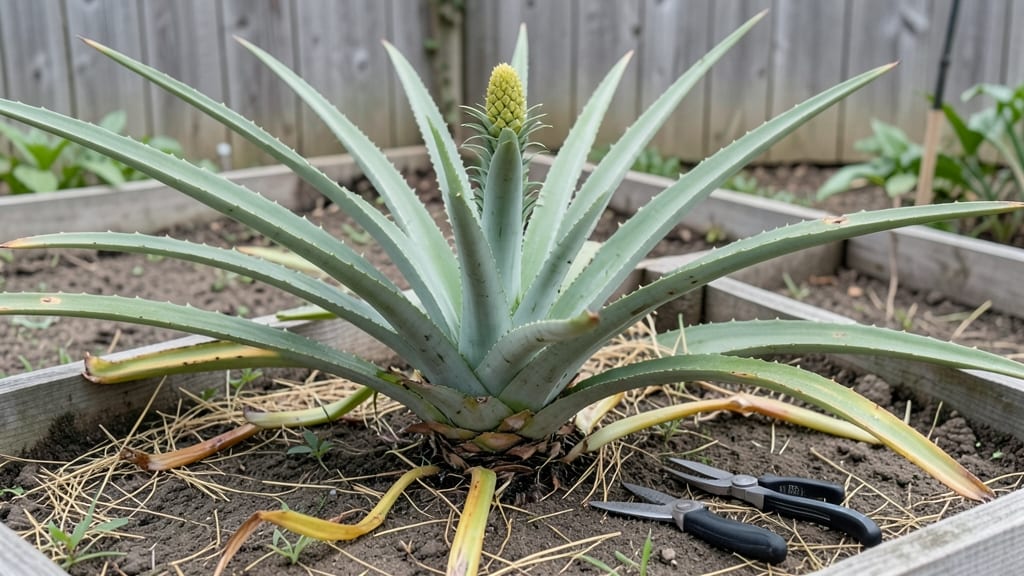
Pruning pineapple plants isn't just about keeping them tidy—it’s the secret to juicier fruit and plants that thrive for years. 🌱 I’ve watched my pineapples go from scraggly to producing pound-heavy fruit simply by cutting back at the right time.
The key? Timing, technique, and knowing what to keep (and what to toss). Most gardeners overlook the 3-step pruning rhythm that triggers bigger harvests. You’ll need sharp shears, a clean workspace, and just 15 minutes—no fancy tools required.
The real magic happens when you remove the right offsets (those baby plants at the base) while leaving the mother plant strong enough to support a new fruit. By following this method, you’ll end up with sweeter, larger pineapples and plants that keep producing for 3-5 years.
The first harvest might surprise you—imagine slicing into a fruit that’s twice the size of store-bought, grown right in your backyard. Let’s get those shears ready!
Here’s the thing—pineapples don’t play by the same rules as other plants. You never prune the top of the plant (that’s where the fruit grows), but those offsets? They’re either future plants or competitors for your main harvest.
I learned this the hard way after accidentally pruning too much and losing my first fruit. Now, I treat offsets like tiny investments: keep the strongest ones, compost the rest, and watch your garden multiply.
The best time to prune is early spring, when new growth starts but before the heat sets in. This gives your pineapple 6-8 months to recover and focus energy on fruit production.
If you’re in a warm climate, you can prune year-round—but always wait until you see 2-3 inches of new growth on the offsets before separating them.
Don’t worry if you’ve never pruned a pineapple before—this method is foolproof for beginners and fine-tuned for experts. You’ll know you’re doing it right when your main plant stays sturdy, your offsets root quickly in soil, and your fruit starts swelling by mid-summer.
The payoff? A garden that keeps giving, year after year, with minimal effort. For those in cooler zones, bring your pineapple indoors during winter—it’ll survive and even fruit with the right light. The same rules apply, but a grow light can be your best friend when natural sunlight fades.
Now, grab your shears and let’s turn those offsets into a bounty of golden fruit!
📚 In This Guide
- What you need
- Instructions
- Tips and common mistakes
- Wrapping up and next steps
What you need
- ● Sharp, clean pruning shears or a knife – Opt for a pair with sterilized blades (70% isopropyl alcohol works) to prevent disease spread. A bypass pruner (4-6 inch blades) is ideal for clean cuts.
- ● Rubbing alcohol (70% or higher) – A small bottle (4 oz) to disinfect tools between cuts.
- ○ Gloves (optional but recommended) – Heavy-duty gardening gloves to protect your hands from thorns and sap.
- ○ Pruning sealant (optional) – A small tube of tree wound pruning sealant (like Tanglefoot) to coat larger cuts and prevent rot.
- ● Compost or mulch – A 5-gallon bag of organic compost or shredded bark to replenish nutrients after pruning.
- ● Watering can or hose – For post-pruning hydration (1-2 gallons of water).
- ● Healthy pineapple plant – Prune only when the plant is mature (12+ months old) and shows signs of overgrowth or flowering.
- ● Dry, sunny day – Avoid pruning after rain or in humid conditions to reduce disease risk.
- ● Patience – Pineapple plants are resilient, but pruning too aggressively can stress them. Stick to the 3-step guide!
How to prune pineapple plants for stronger growth and sweeter fruit
Here's the straightforward method I use to keep my pineapple plants thriving and producing juicier fruit.
✂️ Step 1: Remove Dead or Damaged Leaves
Start by inspecting your pineapple plant for any brown, yellow, or wilted leaves—these are dead or dying and need to go. Grab a pair of clean, sharp pruning shears and cut these leaves off at the base, about ½ inch above the healthy tissue. You're not just tidying up; you're preventing disease from spreading to the rest of the plant.
I like to work in the morning when the leaves are still firm. If a leaf feels mushy or smells off, that's your signal to remove it immediately. Healthy leaves should be a vibrant green with a slight waxy coating. Avoid cutting into the plant's center—this is where the fruit develops, and you want to keep it undisturbed.
✂️ Step 2: Trim Off Old Flower Stems
After a pineapple flowers and produces fruit, the old flower stem will eventually dry out and turn brown. This is called a "puppy" or "offset," and it's time to prune it off. Use your pruning shears to cut the dried flower stem at the base, making sure to leave the new offsets (small baby pineapples) attached to the plant.
Here's the thing—don't rush to remove the offsets just yet. Let them grow to about ⅓ the size of the mother plant before separating them. If you prune too early, you risk stunting their growth. You'll know they're ready when they've developed their own set of leaves and roots.
🌱 Step 3: Encourage New Growth with Strategic Pruning
Now, focus on the plant's crown—the heart of the plant where new growth emerges. If you notice any overly long or leggy leaves, trim them back by about ⅓ of their length. This might seem counterintuitive, but cutting back the leaves stimulates the plant to produce shorter, sturdier leaves and directs more energy toward fruit development.
I also like to prune any leaves that are growing toward the center of the plant. These can block sunlight and air circulation, which can lead to rot or pest issues. After pruning, step back and admire your work—the plant should look balanced, with plenty of light reaching the center where the fruit will form.
⏰ Step 4: Clean Up and Monitor Progress
Once you've finished pruning, clean up any debris from around the base of the plant. This prevents pests and diseases from taking hold. Water the plant lightly after pruning to help it recover, but avoid overwatering—pineapples are drought-tolerant and prefer to dry out slightly between waterings.
Watch your pineapple plant closely over the next few weeks. You should see new, vibrant growth emerging from the center. This is a good sign that your pruning was successful. If you notice any yellowing leaves or soft spots, it could be a sign of overwatering or disease, so adjust your care routine accordingly.
Tips & tricks for pruning pineapple plants
A few simple tricks will help your pineapple plant thrive after pruning—and keep it producing sweet, juicy fruit for years. Here's what I've learned from years of growing my own.
Timing is Everything: I always prune in the morning when the plant is hydrated and leaves are firm. This reduces stress on the plant and lets you see any hidden damage more clearly. Early morning also means you can finish before the heat of the day, giving the plant time to recover before afternoon sun. Avoid pruning during rainy weather or when the plant is already stressed from drought.
Tool Selection Matters: Never use dull or dirty pruning shears—they can tear leaves and introduce disease. I sterilize my shears with rubbing alcohol between cuts, especially when removing damaged leaves. For pineapple plants, sharp pruners make clean cuts that heal faster. You can also use a clean, sharp knife in a pinch, but shears give you more control and precision.
The Offset Strategy: When those offsets (baby pineapples) reach about ⅓ the size of the mother plant in Step 2, it's time to separate them—but don't rush! I wait until they have their own roots and 4-5 leaves before transplanting. This ensures they're strong enough to survive on their own. You can gently tug to check for resistance, which indicates root development.
Light and Air Flow: After pruning in Step 3, make sure the plant's center is fully exposed to sunlight. I often rotate the pot slightly to ensure even light exposure all around. Good air circulation prevents fungal issues, so avoid overcrowding your pineapple plants. If growing multiple plants, space them at least 2 feet apart for optimal growth.
Pro Tips for Pruning Pineapple Plants
- A few simple tricks will help your pineapple plant thrive after pruning—and keep it producing sweet, juicy fruit for years.
- Timing is Everything: I always prune in the morning when the plant is hydrated and leaves are firm.
- Tool Selection Matters: Never use dull or dirty pruning shears—they can tear leaves and introduce disease.
Frequently asked questions
Got questions about pruning pineapple plants? You’re not alone! Here are answers to the most common concerns—from timing to troubleshooting—to help you grow healthier plants and juicier fruit.
When is the best time to prune pineapple plants?
Prune your pineapple plant after it flowers (when the fruit starts developing) or during its dormant phase in late winter or early spring. Avoid pruning during active growth or extreme heat—this can stress the plant and delay fruit production.
Do I need to sterilize my pruning tools?
Yes! Sterilizing your tools with rubbing alcohol or a 10% bleach solution prevents disease spread. Pineapple plants are susceptible to fungal infections, so clean blades between cuts. Think of it like sanitizing your kitchen knives—better safe than sorry!
What if my pineapple plant doesn’t produce fruit after pruning?
Patience is key! Some pineapples take 18–24 months to fruit after flowering. If your plant isn’t fruiting, check for these issues:
- Light: Ensure it gets 6+ hours of sunlight daily.
- Water: Overwatering can rot roots; underwatering stunts growth.
- Fertilizer: Use a balanced, low-nitrogen fertilizer (like 10-10-10) every 2–3 months.
Can I propagate the cuttings from pruning?
Healthy pineapple leaves (the "pups" or basal shoots) can be removed and rooted in water or soil. Let the cuttings dry for 1–2 days first to prevent rot. Place them in bright, indirect light until roots form (usually 2–4 weeks). It’s like cloning your plant—free extra pineapples!
What do I do if my pineapple plant turns yellow after pruning?
Yellowing leaves often signal stress, but don’t panic! It could be from:
- Overwatering (check soil moisture—it should dry slightly between waterings).
- Too much shade or cold drafts (pineapples love warmth!).
- Nutrient deficiency (feed with a diluted fertilizer if needed).
Wrapping up and next steps
Pruning your pineapple plants may seem like a small task, but it’s a game-changer for bigger, sweeter fruit and stronger growth! 🌱 By removing dead leaves, trimming suckers, and ensuring proper airflow, you’re setting your plants up for success.
With just a little effort, you’ll be rewarded with healthier plants and delicious harvests.
Ready to take the next step? Start small—pick one plant to practice on, and soon you’ll be a pruning pro! 🌟 Share your progress with fellow gardeners or experiment with different techniques to find what works best for your climate. Happy pruning!