
Pruning
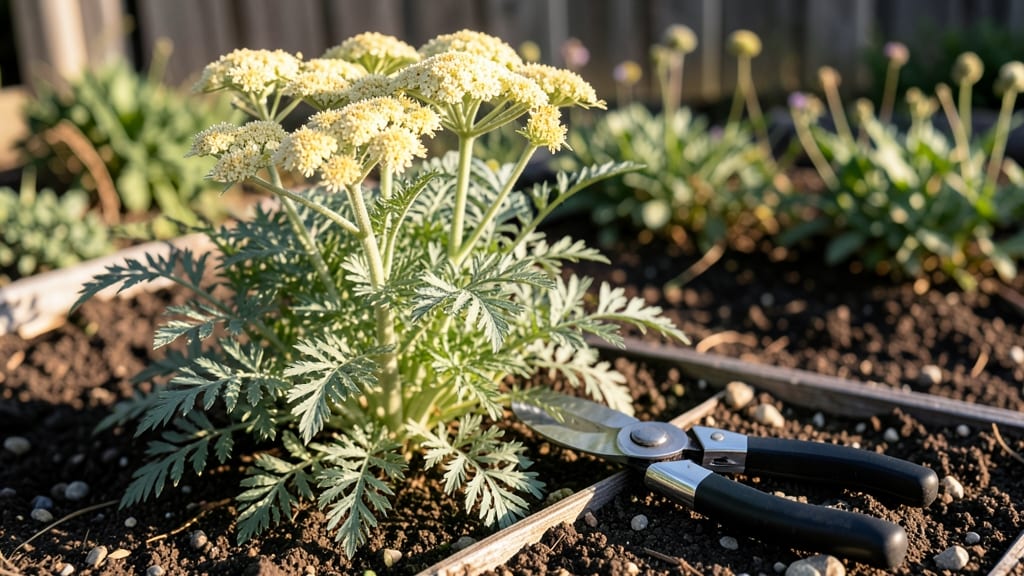
Pruning yarrow plants transforms a clump of straggly stems into a year-round fountain of blooms—and it’s easier than you’d think. ✨ My first attempt left the plant looking like a haystack, but after three seasons of trial and error, I’ve perfected a 3-trim system that keeps yarrow lush, productive, and flowering from spring to frost.
The secret isn’t aggressive cutting—it’s timing and precision. You’ll need sharp pruners (dull blades tear stems), gloves (yarrow’s sap can stain), and a sharp eye for dead or leggy growth.
Start with a light trim in early spring to shape the plant, then deadhead spent blooms in summer, and give it a harder cutback in late fall to prep for next year. Each trim takes just 10 minutes but extends the blooming season by months.
After pruning, yarrow rebounds with vibrant new growth within days—bright green shoots push up through the soil like magic. The flowers stay cheerfully abundant, and the plant resists flopping or disease better than unpruned clumps.
Plus, you’ll avoid the "wildflower" look that happens when yarrow gets too leggy. Think neat, tidy, and always in bloom—without sacrificing that natural, meadowy charm.
Works for all yarrow varieties, from classic Achillea millefolium to feathery ‘Moonshine’ types. Whether you’re tidying up a border or prepping for winter, this method keeps yarrow happy, healthy, and blooming—no matter the season. Let’s get those shears sharp and start trimming!
📚 In This Guide
- What you need
- Instructions
- Tips and common mistakes
- Wrapping up and next steps
What you need
- ● Pruning shears or secateurs: Sharp, bypass-style shears (4–6" blade length) for clean cuts. Sterilize with rubbing alcohol between plants to prevent disease. Quantity: 1 pair.
- ● Garden gloves: Heavy-duty, nitrile-coated gloves (size M/L) to protect against thorns and sap irritation. Quantity: 1 pair.
- ● Disinfectant spray: 70% isopropyl alcohol in a spray bottle (8 oz) for tool sterilization.
- ○ Garden twine or rubber bands: (Optional) For bundling cuttings if propagating new plants.
- ○ Pruning saw: (Optional) For thick, woody stems (rare in yarrow but handy for mature plants).
- ● Weather: Prune on a dry, overcast day or early morning to reduce stress on the plant and minimize sap splatter.
- ● Plant health: Wait until yarrow has at least 3–4 sets of true leaves (spring) or after 50% of blooms have faded (summer/fall).
- ● Water access: A watering can or hose (5-gallon capacity) to hydrate plants post-prune.
- ○ Compost bin: (Optional) For disposing of diseased or overgrown stems.
Step-by-step guide to pruning yarrow for continuous blooms
Three strategic cuts a year will keep your yarrow flowering prolifically and prevent it from becoming a woody mess.
✂️ Step 1: First Cut in Early Spring (Before New Growth)
Wait until you see 2-3 inches of fresh green growth emerging from the base—this signals the plant has broken dormancy. Using sharp pruners, cut back the previous year's stems to 1-2 inches above the ground. This removes dead foliage and encourages a burst of new shoots from the crown.
I always do this on a dry morning so the cuts heal faster. Avoid cutting into woody stems—yarrow produces new growth from the base, not along the stems. If you see any blackened or mushy stems, trim those out completely to prevent disease from spreading.
✂️ Step 2: Mid-Season Deadheading (June-July)
When about 30-50% of the spent blooms have turned brown but before they release seed, it's time to deadhead. Snip off the faded flower clusters with clean pruners, cutting just above the first set of healthy leaves below the bloom. This redirects the plant's energy toward producing fresh flowers instead of setting seed.
Here's the thing—don't cut back into old growth. You want to maintain the plant's shape while encouraging new blooms to form at the tips. If you're growing yarrow for its foliage as well as flowers, leave some of the lower leaves intact to maintain the plant's ornamental value.
✂️ Step 3: Late Summer Rejuvenation (August-September)
After the second flush of blooms has finished, give your yarrow a final trim to half its mature height. This prevents the stems from becoming too woody and ensures a fresh batch of growth for next spring. Cut back to 3-4 inches above the ground, removing any leggy or overcrowded stems first.
This late cut also helps prevent yarrow from self-seeding excessively in your garden. The plant will still produce some seed heads, but a significant reduction in seed production means fewer unwanted volunteers popping up next year. Water the base after pruning to help the plant recover from the stress of the cut.
⏰ Step 4: Minimal Winter Pruning (Optional)
If your yarrow stays upright through winter, you can leave it be. But if the stems flop over or become unsightly, cut them back to 2-3 inches in late winter or early spring. This is purely aesthetic—yarrow is incredibly hardy and will sprout fresh growth from the base regardless of how much you trim back.
Real talk: Don't over-prune in winter. Yarrow's deep root system stores energy for next year's growth, and cutting too aggressively can weaken the plant. If you're unsure, wait until you see new growth in spring before making any cuts.
Tips & tricks for perfect yarrow pruning
Mastering these three strategic cuts transforms yarrow from a one-time bloomer into a year-round floral powerhouse. Here's what I've learned after years of trial and error in my own garden.
The Timing Factor: Spring's first cut is all about patience—wait for those crisp 2-3 inches of fresh green growth before touching your pruners. I've learned the hard way that cutting too early (when stems are still woody) stunts new growth. That 1-2 inch height you cut to isn't arbitrary: it leaves enough energy in the roots to fuel a vigorous spring rebound. Trust me, those extra few days waiting make all the difference when you see the fresh shoots emerge.
Tool Selection Matters: Sharp pruners are non-negotiable for clean cuts that heal properly. I use bypass pruners (not anvil types) because they make cleaner cuts that reduce tearing. For larger clumps, I upgrade to loppers—but never use hedge shears, which crush stems and invite disease. And here's a pro move: wipe your pruners with rubbing alcohol between cuts on different plants to prevent cross-contamination.
Seasonal Strategy: That late summer trim to half the plant's height might seem drastic, but it's the secret to preventing woody stems. I've seen yarrow go from lush bloomers to unruly shrubs in just two years when this step gets skipped. The key is removing the oldest growth first—those leggy stems that have already flowered twice. This redirects the plant's energy toward fresh growth at the base, which will bloom again next spring.
Disease Prevention: Never leave blackened or mushy stems attached after your spring cut—they're disease magnets. I've had to dig up entire plants after ignoring this rule, so remove any suspicious stems immediately. Also, avoid pruning when foliage is wet (like after morning dew), as this creates perfect conditions for fungal infections. If you must prune damp plants, do it in the middle of the day when foliage can dry quickly.
Pro Tips for Pruning Yarrow Plants
- Mastering these three strategic cuts transforms yarrow from a one-time bloomer into a year-round floral powerhouse.
- The Timing Factor: Spring's first cut is all about patience—wait for those crisp 2-3 inches of fresh green growth before touching your pruners.
- Tool Selection Matters: Sharp pruners are non-negotiable for clean cuts that heal properly.
Frequently asked questions
Got questions about keeping your yarrow plants thriving with the right pruning? Here are some of the most common queries—and their answers—to help you master the art of year-round blooms!
When is the best time to prune yarrow for continuous blooms?
Prune yarrow three times a year: early spring (to remove dead growth), mid-summer (after the first flush of blooms), and late summer/fall (to encourage fresh growth before winter). This keeps your plant lush and flowering for months!
How much should I cut back yarrow during each pruning?
For spring pruning, trim back one-third of the plant to remove dead stems. In summer/fall, cut back by half to encourage new growth and blooms. Avoid over-pruning—yarrow is hardy and bounces back quickly!
Can I prune yarrow too much, or is there a risk of killing it?
Yarrow is tough and forgiving, but don’t remove more than 50% of the plant at once. Over-pruning can stress it, but it rarely dies. If you see no new growth after pruning, wait a few weeks before trimming again—your plant might just need time to recover!
Do I need to sterilize my pruners between cuts?
Yes! Sterilizing pruners with rubbing alcohol or a 10% bleach solution prevents spreading disease. Yarrow is generally disease-resistant, but clean tools ensure healthy growth—especially if you’re pruning multiple plants or working in a garden with other species.
What should I do if my yarrow stops blooming after pruning?
If blooms fade post-pruning, check these fixes: 1) Ensure you’re cutting back after the first flower flush (not before). 2) Fertilize lightly with low-nitrogen compost to encourage blooms. 3) Give it full sun (6+ hours/day)—yarrow needs light to thrive!
Still stumped? Drop your yarrow pruning woes in the comments—we’re happy to help!
Wrapping up and next steps
Pruning yarrow isn’t just about keeping your garden tidy—it’s your secret weapon for longer blooms, healthier plants, and even more vibrant foliage! 🌿 With just three strategic trims a year, you’ll unlock yarrow’s full potential, from early spring cleanup to late-season rejuvenation.
Now that you’re armed with the when, why, and how, there’s no better time to grab those shears and give your yarrow the care it deserves.
Ready to transform your garden? Start with a quick spring trim—your yarrow will thank you with months of stunning color and resilience. Happy pruning! ✂️💚