
Diseases
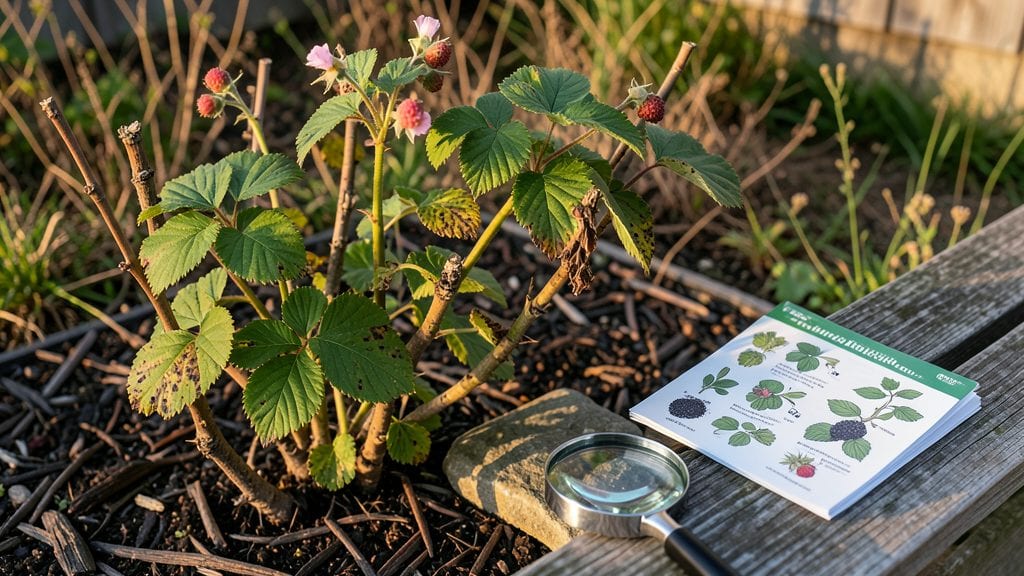
The raspberry plant diseases like cane blight and fungal spots can turn your thriving patch into a sad, spotted mess—unless you catch them early. 🌿 I’ve lost entire beds to these sneaky diseases, but now I know the telltale signs: dark, sunken patches on... canes or yellowing leaves that look like they’ve been dusted with rust.
The good news? Organic remedies work better than you’d think when you act fast.
Most fungal issues start with wet foliage or crowded canes, giving spores the perfect home. Pruning for airflow and removing infected debris cuts off their food source. My go-to fix?
A neem oil spray (1 tablespoon per quart of water) applied every 7–10 days during damp weather. It’s not instant magic, but it stops the spread while your plants recover.
With consistent care, your raspberries bounce back—thicker canes, glossier leaves, and berries that don’t shrivel before harvest. The key is weekly checks during rainy seasons and cleaning up fallen leaves. Trust me, a little prevention saves hours of scrubbing later.
Works for all raspberry varieties, from summer-bearing to fall-bearing. Let’s turn those spots into a thing of the past—starting with the first step: knowing what you’re really dealing with.
Root Causes Of Raspberry Ailments
Raspberry plants, like all living organisms, are vulnerable to diseases—but understanding why these issues arise is the first step to prevention. Below, we break down the key factors that create the perfect storm for fungal, bacterial, and viral infections in raspberries.
From environmental stress to poor cultural practices, these culprits weaken your plants and invite trouble.
Raspberries thrive in open spaces, but when canes grow too close together—or when thick foliage blocks airflow—moisture lingers on leaves and stems. This damp, stagnant environment is a fungal paradise.
Pathogens like Botrytis cinerea (gray mold) and Phomopsis (fruit rot) flourish in these conditions because they rely on humidity to spread their spores.
Why it happens:
- Genetics & Variety: Some raspberry cultivars (like heritage varieties) grow bushier than modern hybrids, naturally reducing airflow.
- Pruning Neglect: Dead or overgrown canes block sunlight and airflow, creating shaded, humid microclimates.
- Planting Density: Crowding plants (e.g., spacing them <18 inches apart) traps moisture and limits light penetration.
Actionable fix: Prune aggressively in late winter/early spring, remove dead canes, and space new plants <24–36 inches apart for optimal airflow.
Raspberries need consistent moisture, but too much water—especially on leaves—creates ideal conditions for fungal spores to germinate. Overhead watering (like sprinklers) splashes spores directly onto plant tissues, while soggy soil promotes root rot (Phytophthora) and crown diseases.
Why it happens:
- Improper Watering: Frequent light watering keeps soil surface damp longer than deep, infrequent watering.
- Poor Drainage: Clay-heavy or compacted soil holds excess water, suffocating roots and inviting Armillaria (root rot).
- Rainfall Timing: Heavy rains after a dry spell can shock plants, weakening their defenses against pathogens.
Actionable fix:
- Water at the base of plants (drip irrigation or soaker hoses) to avoid wetting foliage.
- Amend soil with compost to improve drainage, or plant on a slight mound.
- Avoid watering in the evening—leaves need time to dry before nightfall.
Raspberries are sensitive to extreme shifts in temperature and humidity. Cool, wet springs (common in many growing regions) delay plant hardening, while hot, humid summers create the perfect breeding ground for fungal diseases like Didymella (leaf spot) and Botrytis.
Even frost damage can weaken canes, making them susceptible to secondary infections.
Why it happens:
- Climate Zones: Regions with high humidity (e.g., Pacific Northwest, Southeast U.S.) see more fungal pressure.
- Late Frost: Frost can kill emerging buds, leaving plants stressed and open to Botrytis infections.
- Nighttime Dew: Prolonged dew periods (especially on thick canopies) extend moisture exposure, promoting spore germination.
Actionable fix:
- Choose disease-resistant varieties (e.g., 'Heritage,' 'Boyne') for your climate.
- Use row covers in spring to protect from frost and reduce humidity.
- Prune to thin canopies for better airflow and faster drying.
A raspberry plant that’s starving, overfed, or deficient in key nutrients has a harder time fending off diseases. For example, low potassium weakens cell walls, making them easier targets for fungal invaders. Meanwhile, excess nitrogen promotes lush, soft growth that’s more prone to Botrytis and Phomopsis.
Why it happens:
- Soil Deficiencies:
- Nitrogen (N): Too much = weak stems; too little = stunted growth.
- Potassium (K): Deficiency reduces disease resistance.
- Calcium (Ca): Poor uptake leads to blossom end rot in fruit.
- Improper Fertilization: Synthetic fertilizers can disrupt soil microbes, reducing natural disease suppression.
- Competition: Weeds or grass stealing nutrients leave raspberries malnourished.
Actionable fix:
- Test soil annually and amend with balanced organic fertilizer (e.g., 5-5-5 or compost tea).
- Avoid high-nitrogen fertilizers in late summer—they encourage soft growth prone to rot.
- Mulch with straw or wood chips to retain moisture and suppress weeds.
Some raspberry diseases don’t strike alone—they hitch a ride with insects. For example:
- Japanese beetles chew leaves, creating wounds where Botrytis can enter.
- Aphids excrete honeydew, which fosters sooty mold (Capnodium) and attracts fungal spores.
- Nematodes damage roots, making plants vulnerable to Phytophthora.
Why it happens:
- Lack of Scouting: Many growers don’t monitor pests until damage is visible.
- Resistant Varieties: Some raspberries (like 'Nova') are less appealing to pests but may still attract others.
- Overuse of Broad-Spectrum Pesticides: These can kill beneficial insects that prey on pests.
Actionable fix:
- Introduce beneficial insects (ladybugs, lacewings) or use neem oil to control pests organically.
- Set up yellow sticky traps for aphids and whiteflies early in the season.
- Rotate cultural controls (e.g., mulching, pruning) to disrupt pest life cycles.
Remember: Most raspberry diseases are opportunistic—they exploit weak plants. By addressing these root causes, you’ll create an environment where your raspberries stay strong and healthy, naturally resisting the worst invaders.
Quick Fixes for Raspberry Fungal Woes
Fungal diseases can turn your raspberry patch from lush to lamentable faster than you’d think—but don’t panic! With the right approach, you can revive your plants and keep future outbreaks at bay.
Below, we’ve mapped out practical, organic solutions for the most common raspberry fungal issues, including prevention tips to stop them from returning.
1. Raspberry Leaf Spot (Didymella or Septoria) 🍃🔴
Fix it fast: - Prune infected leaves 🔪: Snip off yellow/brown spots with clean shears and discard them (don’t compost!).
Aim for 1–2 inches below the damage to prevent spread. - Apply copper fungicide 🛡️: Spray a homemade mix (1 tbsp copper sulfate + 1 gallon water) every 7–10 days during wet seasons.
For organic growers, neem oil spray (1 tsp neem oil + 1 quart water + dash of soap) works too. - Boost airflow 🌬️: Thin out canes and remove weeds to reduce humidity around plants. Space canes 12–18 inches apart for better circulation.
Prevent relapse: ✅ Rotate crops—don’t plant raspberries in the same spot for 3+ years. ✅ Water at the base 💧 (avoid overhead sprinklers) to keep leaves dry. ✅ Clean up debris in fall—remove old leaves and mulch to eliminate fungal spores.
2. Powdery Mildew (White Dusty Coating) ❄️⚪
Fix it fast: - Wipe leaves with a damp cloth 🧼: Gently rub off mildew in the early morning when spores are dormant.
Use a 1:10 water-vinegar mix for stubborn spots. - Baking soda spray 🧂: Mix 1 tbsp baking soda + 1 tsp horticultural oil + 1 quart water.
Spray weekly on both leaf surfaces. - Reflective mulch 🪞: Lay white plastic sheeting or aluminum foil around the base to confuse spores and reduce humidity.
Prevent relapse: ✅ Plant mildew-resistant varieties like ‘Heritage’ or ‘Boyne’. ✅ Avoid nitrogen-heavy fertilizers—they encourage soft, mildew-loving growth. ✅ Prune for sunlight 🌞—thin canes to ensure 6+ hours of direct light daily.
3.
Botrytis Fruit Rot (Gray Mold) 🍓💀 Fix it fast: - Remove infected fruit immediately 🚫🍇: Toss moldy berries in the trash (not compost)—they’re highly contagious. - Hydrogen peroxide soak 🧪: For lightly infected canes, soak pruned cuttings in 3% hydrogen peroxide (1:10 dilution) for 10 minutes before replanting. - Diatomaceous earth (DE) dust 🏖️: Lightly sprinkle food-grade DE around the base to smother spores (reapply after rain).
Prevent relapse: ✅ Space plants widely (3–4 ft apart) to prevent crowding. ✅ Thin fruit clusters 🍓—overloaded canes trap moisture. ✅ Harvest promptly—don’t let berries overripe on the bush.
4.
Anthracnose (Dark Sunken Spots) 🌑🔴 Fix it fast: - Sulfur spray 🧂: Use powdered sulfur (2 lbs per 100 sq ft) in early spring before leaves emerge to prevent spores from latching on. - Compost tea 🌱: Brew aerated compost tea (steep compost in water for 3–5 days) and spray weekly to strengthen plant immunity. - Solarize soil ☀️: Cover beds with clear plastic for 4–6 weeks in summer to kill soil-borne spores.
Prevent relapse: ✅ Plant in well-draining soil—anthracnose thrives in soggy conditions. ✅ Avoid overhead watering—use drip irrigation instead. ✅ Test soil pH—aim for 5.5–6.5 (anthracnose loves acidic soil).
- Copper is your BFF 🛡️: Apply copper fungicide at first sign of rain (fungi love moisture!). - Rotate organic remedies 🔄: Don’t rely on one treatment—switch between neem, baking soda, and sulfur to avoid resistance. - Monitor weather 🌦️: Fungal outbreaks spike after 3+ days of rain.
Plan preventive sprays before forecasts predict wet spells. - Inspect new plants 👀: Quarantine store-bought canes for 2 weeks before planting to spot hidden infections.
Remember: The key to healthy raspberries is early action + prevention. Once you spot a problem, act within 24–48 hours to stop it from spreading. Your future berry harvests will thank you! 🍇✨
Frequently asked questions
What are the first signs of raspberry plant diseases?
Watch for yellowing leaves, dark spots on canes, or white powdery coatings—these often signal fungal infections. Early leaf spot may show as small brown patches with yellow halos, while powdery mildew appears as a chalky dust on leaf surfaces. Check undersides of leaves too, as many pathogens hide there.
Can I save a raspberry plant already infected with disease?
Yes, but act fast! Prune infected canes 1–2 inches below damage and remove all debris. Apply a copper fungicide or neem oil spray immediately. For severe cases, consider replacing heavily infected plants to prevent spread to healthy ones.
How often should I inspect my raspberry plants for diseases?
Check your plants weekly during growing season, especially after rain. Focus on new growth, leaf undersides, and fruit clusters. In humid climates, increase inspections to every 3–4 days—early detection is key to stopping fungal outbreaks before they spread.
Are there disease-resistant raspberry varieties?
Varieties like 'Heritage,' 'Boyne,' and 'Nova' are bred for better disease resistance. These cultivars handle fungal pressure better than heirloom types. Always check seed catalogs for your climate zone—some varieties resist specific regional diseases like cane blight or leaf spot.