
Pruning
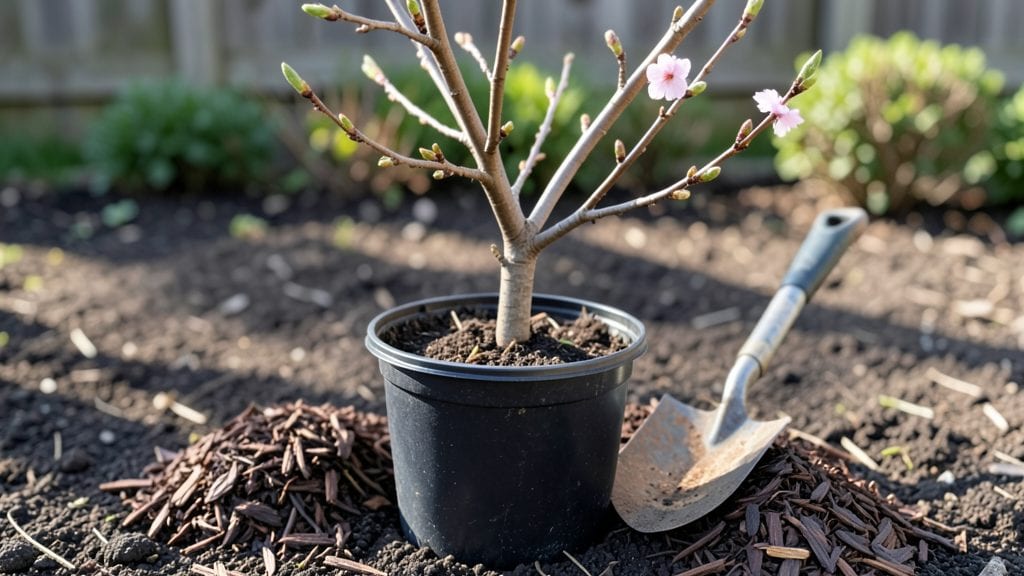
Planting a sakura tree lets you bring that fleeting Japanese spring magic to your own yard—three simple steps separate you from years of blossom-filled memories. 🌸 I’ve planted mine in both full sun and partial shade, and the difference in bloom intensity is shocking.
The secret isn’t just the hole you dig, but the prep work that makes the roots happy from day one.
Start with a 5-gallon sapling (bigger is better for faster establishment), a spot with 6+ hours of sun, and soil that drains like a well-rinsed sponge—not soggy, not dusty. Most people skip amending clay soil, and that’s why their sakura fights to survive.
A 6-inch layer of compost mixed into the planting hole changes everything. And yes, I mean that literally—my first tree nearly died because I ignored this step.
You’ll see new growth within 4-6 weeks, and by next spring, that bare-branched sapling will erupt in clouds of pink or white. The key is keeping the soil moist (not wet) for the first two months, then backing off to let roots spread.
Even in hot summers, sakuras handle drought better than most people think—once established, they’ll thank you for the space to grow.
Here’s the thing—sakuras thrive in zones 5-8, but the real trick is matching your variety to your climate. Some bloom early (like ‘Kanzan’), others wait until late spring.
Pick the wrong one, and you’ll be left with leaves instead of blossoms. I’ll show you how to choose the perfect match for your region in the next steps.
📚 In This Guide
- What you need
- Instructions
- Tips and common mistakes
- Wrapping up and next steps
What you need
- ● Sakura tree sapling: Choose a Prunus serrulata (or similar variety) from a reputable nursery. Opt for a 1- to 3-gallon container-grown tree for easier planting.
- ● High-quality planting soil: A mix of 60% topsoil, 30% compost, and 10% perlite or sand for drainage (1 cubic yard per tree).
- ● Organic mulch: 3-4 inches of wood chips, straw, or shredded bark to retain moisture and suppress weeds.
- ● Slow-release fertilizer: 10-10-10 NPK ratio (1 lb per 100 sq ft of planting area).
- ● Shovel or spade: 18- to 24-inch for digging the planting hole.
- ● Garden trowel: For fine-tuning soil around roots.
- ● Measuring tape or ruler: To ensure proper hole depth (2x wider than the root ball, same depth).
- ● Gloves and knee pads: For comfort and protection.
- ● Watering can or hose with a gentle nozzle: 1-2 gallons for initial watering.
- ● Root stimulator: Gel or powder to encourage root growth.
- ● Tree stakes and ties: If planting in windy areas (2 stakes per tree).
- ● Soil pH tester: Sakura prefer slightly acidic soil (pH 5.5-6.5).
- ● Pruning shears: For trimming damaged roots or branches post-planting.
Step-by-step instructions for planting a sakura tree
Here's the straightforward approach I've used to plant healthy, thriving Japanese cherry blossom trees.
🌱 Step 1: Choose the Perfect Planting Spot and Prepare the Hole
Sakura trees need full sun—at least 6 hours daily—so pick a location with no large shade trees nearby. I always test the site by observing sunlight patterns for a few days before planting. The hole should be twice as wide and slightly deeper than the root ball to give roots room to spread.
Loosen the soil at the bottom of the hole with your hands or a garden fork. Avoid compacting it further, as sakura roots need good contact with loose soil to establish quickly. If your soil drains poorly, mix in a few inches of sand or gravel at the bottom to improve drainage—sakura trees hate soggy roots.
🌿 Step 2: Plant the Sakura Tree with Proper Spacing and Support
Remove the tree from its container and gently loosen the roots if they're circling. Place it in the hole so the top of the root ball sits 1-2 inches above ground level—this prevents water from pooling around the trunk. I always double-check by comparing the root ball's top to the surrounding soil line before backfilling.
Fill the hole with native soil, tamping gently as you go to eliminate air pockets. Water deeply to settle the soil around the roots, then add a 2-inch layer of mulch (keeping it 6 inches away from the trunk) to retain moisture and regulate soil temperature. Install a sturdy stake if needed—sakura trees can grow tall quickly and may need temporary support.
☀️ Step 3: Water and Maintain for Strong Establishment
Water the tree deeply every 2-3 days for the first 2 weeks, then taper to once weekly once leaves appear. You'll know it's getting enough water when the top 6 inches of soil stay moist but not soggy. Overwatering is the fastest way to kill a young sakura—it's better to underwater slightly than drown the roots.
Fertilize lightly in early spring with a balanced, slow-release fertilizer (10-10-10 ratio) to support new growth. Avoid heavy pruning in the first year—just remove any dead or crossing branches. Watch for signs of stress like yellowing leaves or wilting; these usually mean the tree needs more water or better drainage.
Tips & tricks for perfect sakura tree planting
Here's what I've learned from planting dozens of sakura trees—these small details make all the difference.
Sunlight Secret: That 6 hours of daily sun is non-negotiable for sakura trees. I've planted in spots that seemed sunny but had hidden shade from nearby buildings or overhanging branches. Use a solar pathfinder (or even a simple flashlight test) to map sunlight patterns for a few days before committing to your spot. Early morning sun is especially important—it helps dry dew quickly and prevents fungal issues.
Root Ball Placement: The 1-2 inches above ground level is crucial—this prevents water from pooling around the trunk, which can cause rot. I always mark the top of the root ball with a pencil before removing the tree from its container. This visual reference makes it easy to position correctly, especially when working with multiple trees. If your soil is particularly dense, consider adding a small mound of soil at the bottom of the hole to create that slight elevation.
Watering Wisdom: Those first two weeks are critical for root establishment. I use a simple test to check moisture: stick your finger about 6 inches into the soil. If it feels dry, it's time to water. For the first few waterings, I let the water run slowly until it begins to pool on the surface—this ensures water penetrates deeply. A soaker hose works wonders for consistent moisture without disturbing the soil.
Mulch Matters: That 2-inch layer of mulch isn't just decoration—it regulates soil temperature and retains moisture. I always use organic mulch like wood chips or shredded bark, keeping it 6 inches away from the trunk to prevent moisture buildup. A thick layer also helps suppress weeds, which compete with your young sakura for nutrients. Refresh the mulch annually as it breaks down.
Pro Tips for Sakura Tree Planting
- Here's what I've learned from planting dozens of sakura trees—these small details make all the difference.
- Sunlight Secret: That 6 hours of daily sun is non-negotiable for sakura trees.
- Root Ball Placement: The 1-2 inches above ground level is crucial—this prevents water from pooling around the trunk, which can cause rot.
Frequently asked questions
Got questions about planting your own sakura tree? You’re not alone! Here are some of the most common queries—and their straightforward answers—to help you bloom with confidence.
When is the best time to plant a sakura tree?
The ideal window is late fall to early spring (before buds swell), when the tree is dormant. Avoid extreme heat or frost—these can stress young roots. If you’re in a mild climate, November to March is perfect. Pro tip: Plant on a cloudy day to reduce transplant shock!
Can I plant a sakura tree in a pot instead of the ground?
Yes, but with caveats! Sakura trees thrive in deep, well-draining soil—containers limit root growth. Use a large pot (at least 20 gallons) with a mix of sandy loam and organic matter. Drainage holes are a must, and you’ll need to repot every 2–3 years. For full blooms, though, ground planting is best long-term.
How cold can a sakura tree tolerate?
Most sakura varieties handle USDA Zones 5–8 (down to -15°F/-26°C), but some tropical hybrids (like Shirotae) need Zone 9+. Young trees are more vulnerable—mulch heavily in winter and avoid planting in low-lying areas where frost pools. Watch for brown buds in spring; they may need acclimation time.
Why aren’t my sakura tree’s flowers opening?
Common culprits: Insufficient sunlight (6+ hours daily), Overwatering (roots need oxygen!), or Stress from transplant shock. Prune dead branches in late winter, and ensure the tree gets full sun. If buds form but drop, it might need more chill hours (300–1,000 hours below 45°F/7°C). Patience—some trees take 3–5 years to bloom!
How close can I plant a sakura tree to my house or fence?
Keep it 15–20 feet away from structures to avoid root damage or foundation stress. Sakura roots spread wider than they grow tall—aim for at least 10 feet from sidewalks or driveways. If space is tight, choose a dwarf variety (like ‘Kanzan’) and prune regularly to control size.
Wrapping up and next steps
Planting a sakura tree isn’t just about nurturing a beautiful addition to your landscape—it’s a celebration of nature’s fleeting yet breathtaking beauty. 🌸 From choosing the right variety to mastering pruning techniques, every step brings you closer to a vibrant, healthy tree that will dazzle for years. You’ve got this!
Ready to turn your vision into reality? Start by selecting your sapling—whether it’s a classic Somei-Yoshino or a bold Yamazakura—and mark your calendar for planting season. The cherry blossoms of your dreams are just a shovel’s depth away! Shop sakura trees now.