
Diseases
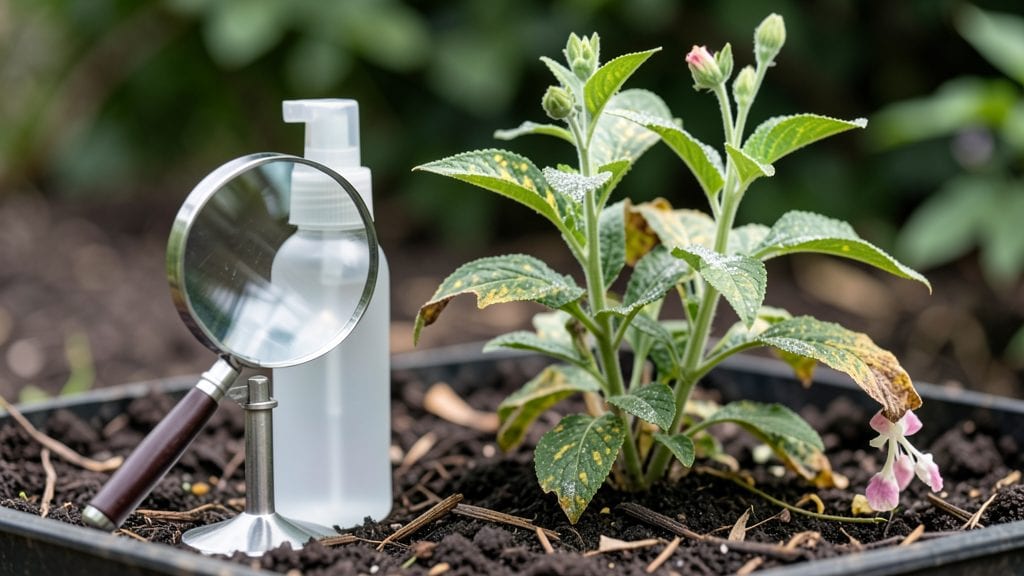
When your snapdragons develop white powder or yellow spots, you're staring at a disease that can ruin your blooms if ignored. 🌿 I've battled powdery mildew and bacterial spot in my own garden, and the key to saving your plants is catching these issues early—before the leaves turn to mush.
The first sign is often subtle: a faint white dust on leaves or tiny water-soaked spots, but once it spreads, your snapdragons may never recover their vibrant colors.
The real culprits are usually too much moisture on leaves or poor airflow between plants. My biggest mistake was watering from above, which splashed bacteria onto the foliage—now I use a soaker hose and space my snapdragons at least 12 inches apart.
Organic neem oil sprays work wonders when applied at the first sign of trouble, and a mix of baking soda and water can tackle early mildew before it takes hold.
With the right approach, you'll see new growth pushing through in just a few weeks—thick, disease-free stems that hold up to heat and humidity. The blooms return with their signature snap (that's where the name comes from!) and your garden stays the showstopper you planted for.
The secret is acting fast and keeping plants healthy from the start.
Works for both garden beds and containers, and the same principles apply whether you're growing snapdragons for their fragrance or their bold colors. Let's get those plants back to their best before the next rainstorm rolls in.
Root Causes Of Snapdragon Struggles
Snapdragons (Antirrhinum majus) are resilient bloomers, but they’re not immune to disease—especially when environmental and cultural factors align like a perfect storm. Understanding the why behind these issues helps you preemptively protect your plants. Here’s a breakdown of the most common culprits, explained in clear, actionable terms.
Snapdragons thrive in cool to moderate climates (USDA Zones 7–10), but when temperatures climb above 85°F (29°C) or humidity spikes, fungal pathogens like Botrytis cinerea (gray mold) and Alternaria take center stage.
Why it happens:
- Fungal spores thrive in moisture—high humidity (above 70%) creates a damp, sticky environment where spores germinate and spread.
- Poor air circulation in dense plantings traps heat and moisture, mimicking a greenhouse effect that accelerates disease.
- Stress from heat weakens plant defenses, making snapdragons more susceptible to infections like powdery mildew (Erysiphe) or downy mildew (Peronospora).
Actionable insight: 💡 Snapdragons love airflow! Space plants 12–18 inches apart and avoid overhead watering (use drip irrigation instead). If humidity is a concern, prune lower leaves to improve ventilation.
Snapdragons hate wet feet—their roots need consistent moisture but despise soggy soil. Overwatering or irregular watering creates the perfect breeding ground for root rot (Phytophthora or Pythium) and foliar diseases.
Why it happens:
- Saturated soil cuts off oxygen to roots, causing them to suffocate and rot. Fungal pathogens exploit this weakness.
- Splashing water from overhead irrigation or rain spreads spores from soil to leaves (e.g., Alternaria leaf spot).
- Dry spells followed by heavy watering stresses plants, making them vulnerable to bacterial soft rot (Erwinia).
Actionable insight: ⏰ Water deeply but infrequently—aim for 1–1.5 inches per week, and always water at the base (not leaves). Use mulch (2–3 inches of straw or shredded leaves) to retain moisture without drowning roots.
Disease doesn’t just appear—it hitches a ride on infected soil, old plant debris, or even gardening tools. Snapdragons are particularly susceptible to soil-borne pathogens like Verticillium wilt or Fusarium, which can persist for years.
Why it happens:
- Replanting in the same spot without crop rotation exposes snapdragons to lingering pathogens.
- Infected pruners or gloves spread bacteria (e.g., Pseudomonas) from one plant to another.
- Composted diseased plant material may still harbor spores, reinfecting new growth.
Actionable insight: 🔥 Sanitize everything! Sterilize tools with 70% isopropyl alcohol or a 10% bleach solution between uses. For soil, practice 3-year crop rotation (avoid planting snapdragons in the same bed) and solarize soil in summer to kill pathogens.
While snapdragons aren’t heavy feeders, extreme imbalances—especially nitrogen excess or phosphorus/potassium deficiencies—weaken their immune systems, making them easy targets for disease.
Why it happens:
- Too much nitrogen promotes lush, weak foliage that’s prone to fungal infections (e.g., powdery mildew).
- Low phosphorus stunts root growth, reducing the plant’s ability to absorb water and nutrients efficiently—stress = disease susceptibility.
- Magnesium or calcium deficiencies (visible as yellowing between leaf veins) impair cell structure, making tissues more vulnerable to bacterial or fungal invasion.
Actionable insight: 📊 Test your soil (pH 6.0–7.0 is ideal for snapdragons). Use a balanced organic fertilizer (e.g., 5-5-5) and Epsom salt (1 tbsp per gallon of water) for magnesium boosts. Avoid synthetic fertilizers that can burn roots.
Pests like aphids, thrips, or spider mites don’t just sap nutrients—they create wounds that let pathogens slip in. For example:
- Aphids excrete honeydew, a sugary film that fosters sooty mold (Capnodium).
- Thrips scratch leaves, providing entry points for bacterial spot (Xanthomonas).
Why it happens:
- Weakened plants (from drought or poor soil) attract pests, which then compromise plant defenses.
- Overcrowded snapdragons limit natural predators (like ladybugs), allowing pest populations to explode.
Actionable insight: 🎯 Prevent pests proactively! Introduce beneficial insects (ladybugs, lacewings) and neem oil sprays (1 tsp per quart of water) to deter pests. Handpick aphids early to stop outbreaks.
Not all snapdragons are created equal. Old, weakened plants or those with inherited susceptibility (e.g., certain hybrid varieties) are more prone to disease.
Why it happens:
- Seed-saved snapdragons may carry latent viral infections (e.g., tomato spotted wilt virus, spread by thrips).
- Overwintered plants (in colder climates) can harbor dormant pathogens that flare up in spring.
- Stress from age (plants over 2 years old) reduces vigor, making them easier targets for Fusarium or Verticillium.
Actionable insight: ✨ Start fresh! Replace old plants with certified disease-free seeds or young transplants. If growing from seed, sterilize seed trays with hydrogen peroxide (3%) to prevent soil-borne issues.
Fixing Snapdragon Plant Troubles
When your snapdragons start showing signs of distress, acting fast can save your plants—and your garden’s charm! Below are practical, organic solutions tailored to each common issue, plus prevention tips to keep your snapdragons thriving. Think of this as your garden first-aid kit for leafy greens and vibrant blooms.
Fungal diseases thrive in damp, crowded conditions, but you can starve them out with these steps:
🍳 Remove and Replace Infected Parts
- Snip off yellowing, spotted, or powdery leaves below the disease (use sterilized scissors or pruners).
- Do not compost infected plant debris—toss it in the trash to prevent reinfection.
- Pro Tip: 💡 Morning is the best time to prune, as leaves dry faster in daylight.
👨🍳 Boost Airflow and Light
- Space plants 12–18 inches apart (fungi love humidity).
- Avoid overhead watering—use a drip irrigation system or water at the base in the morning.
- Prune nearby foliage blocking sunlight to improve airflow.
🥘 Natural Fungicides for Fast Relief
Mix one of these DIY sprays and apply every 7–10 days until symptoms fade:
- Baking Soda Spray: 1 tsp baking soda + 1 tbsp horticultural oil + 1 gallon water + a drop of dish soap (as a surfactant).
- Neem Oil Solution: 1 tbsp neem oil + 1 tsp mild soap + 1 quart water. Shake well before spraying (test on a small leaf first).
- Copper Fungicide: Use an organic copper-based spray (follow label instructions).
🌡️ Prevent Future Outbreaks
- Rotate crops—don’t plant snapdragons in the same spot yearly.
- Solarize soil in late summer: Cover beds with clear plastic for 4–6 weeks to kill fungal spores.
- Choose resistant varieties like ‘Matrix’ or ‘Apache’ snapdragons, bred to fight fungi.
Bacteria spread via water splashes and contaminated tools. Stop the spread with these steps:
⏰ Isolate and Clean Up
- Remove infected plants immediately and bag them (do not leave in the garden).
- Sterilize tools with rubbing alcohol or a 10% bleach solution (1 part bleach to 9 parts water) between uses.
🔪 Prune Strategically
- Cut back only healthy growth—avoid trimming when leaves are wet (bacteria spreads easier).
- Dispose of prunings in sealed bags, not compost.
🥗 Copper-Based Bactericides
- Spray with a copper fungicide/bactericide (like Copper Soap) every 5–7 days for 2–3 weeks.
- Pro Tip: 🎯 Add a splash of hydrogen peroxide (3%) to your spray bottle (1 tsp per quart of water) for extra antibacterial power.
🌿 Soil and Water Hygiene
- Water deeply but less often—keep foliage dry.
- Mulch with straw, not wood chips (wood holds moisture and encourages bacteria).
- Avoid wetting leaves when irrigating—use soaker hoses or drip lines.
Viruses are tricky—once a plant is infected, there’s no cure. Your goal? Contain and prevent spread.
🔪 Remove Infected Plants Immediately
- Pull up any plants showing mottled leaves, stunted growth, or deformed flowers.
- Burn or trash them—do not compost (viruses can survive in soil).
🐞 Control Vectors (Aphids, Whiteflies)
- Viruses often hitchhike on sap-sucking insects. Blast them off with:
- Soap spray: 2 tbsp castile soap + 1 gallon water.
- Neem oil (repeat every 5–7 days).
- Introduce beneficial insects like ladybugs or lacewings.
🌡️ Strengthen Plant Immunity
- Fertilize lightly with fish emulsion or compost tea to boost plant health.
- Rotate crops—avoid planting snapdragons in the same bed for 3+ years.
- Buy certified disease-free seedlings from reputable nurseries.
Root rot silently kills snapdragons by suffocating roots. Revive your plants with these steps:
💡 Check the Soil First
- Stick your finger 2 inches into the soil—if it’s soggy, you’re overwatering.
- Improve drainage by:
- Adding perlite or coarse sand to heavy clay soil.
- Raising beds or planting in containers with drainage holes.
👨🍳 Adjust Your Watering Routine
- Water only when the top 1–2 inches of soil are dry (stick your finger in—it’s that simple!).
- Use pots with saucers and empty them after watering to prevent root suffocation.
- Pro Tip: 🌡️ Morning watering reduces evening moisture, cutting rot risk.
🔪 Prune and Repot (If Severe)
- Trim away mushy, black roots (healthy roots are firm and white).
- Repot in fresh, sterile potting mix if container-grown.
- Hold off on fertilizing until new growth appears (roots need to recover first).
🎯 Long-Term Prevention
- Choose well-draining soil—amend with compost or peat moss if needed.
- Avoid compacting soil around the base (use mulch, not heavy mulch like wood chips).
- Plant snapdragons in raised beds if your garden has poor drainage.
Final Thought: 🌱 Prevention is your best tool—healthy snapdragons resist diseases naturally. With these organic fixes, your plants will bounce back (or stay strong in the first place)! For persistent issues, test your soil (pH and nutrient levels) to rule out hidden problems. Happy gardening!
Frequently asked questions
What are the first signs of snapdragon diseases I should watch for?
Look for white powdery coatings (powdery mildew), yellow or brown spots (bacterial spot), or water-soaked patches on leaves (downy mildew). Early symptoms often appear on lower leaves first, so check regularly. If you see these signs, act fast—diseases spread quickly in warm, humid conditions.
Can I save my snapdragons if they already have a fungal infection?
Yes, but you must act immediately! Prune infected leaves with sterilized tools, improve airflow by spacing plants 12–18 inches apart, and apply a neem oil spray or baking soda solution (1 tsp baking soda + 1 tbsp oil per gallon of water). Repeat every 7–10 days until symptoms fade. Prevention is key—keep foliage dry and avoid overhead watering.
Why do my snapdragons get diseases more often in summer?
Summer heat and humidity create the perfect conditions for fungal and bacterial growth. When temperatures rise above 85°F (29°C) and humidity stays high, spores thrive. To protect your plants, water at the base in the morning, mulch with straw, and prune to improve airflow. Resistant varieties like 'Matrix' snapdragons handle heat better.
How do I prevent diseases when growing snapdragons in containers?
Use pots with drainage holes and well-draining soil mixed with perlite or sand. Water only when the top 1–2 inches of soil are dry, and avoid letting plants sit in saucers of standing water. Sterilize tools between uses, and choose compact, disease-resistant varieties like 'Apache' snapdragons for containers.
Are there any snapdragon varieties that naturally resist diseases?
Yes! Look for disease-resistant hybrids like 'Matrix' or 'Apache' snapdragons, which are bred to tolerate powdery mildew and bacterial spot better than traditional varieties. These varieties still need proper care, but they’re less likely to succumb to common issues if grown in optimal conditions.