
Lawn
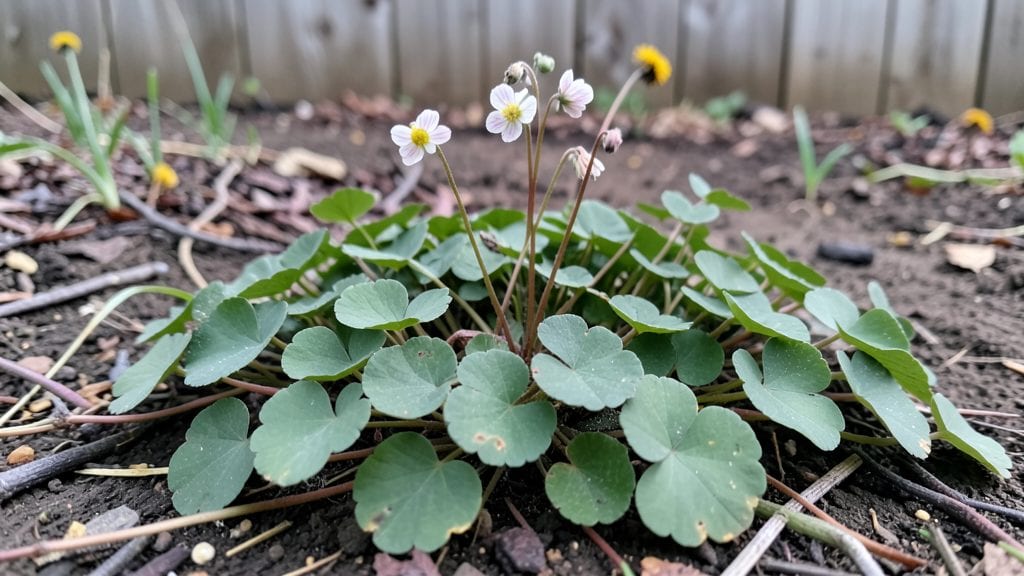
That creeping, clover-like sour grass plant in your lawn isn’t just stubborn—it’s sour grass, and it’s time to reclaim your yard. 🌱 I've spent years battling this invasive green nuisance, and the key is knowing exactly what you're dealing with before pulling. it out.
What looks like harmless ground cover can actually spread aggressively, smothering your grass and making your lawn look patchy year-round.
Most people mistake it for edible sorrel, but sour grass has pointed leaflets and a sharp, citrusy taste that's unpleasant—not the tangy flavor of cooking greens. The real problem?
It spreads through underground tubers, so pulling alone won't stop it. You'll need a combination of manual removal, mulching, and targeted treatments to break its cycle.
Once you identify it correctly, you'll see it everywhere—alongside your walkways, in your flower beds, even pushing through cracks in the pavement. The good news is that with the right approach, you can replace it with dense, healthy grass or ground cover that stays put.
I'll show you how to spot it, remove it completely, and keep it from coming back.
This isn't just about aesthetics—sour grass can also be toxic to pets if ingested in large quantities, and its aggressive spread means it'll outcompete anything you try to plant. Let's tackle this stubborn weed head-on and get your lawn back to looking its best.
📚 In This Guide
- What you need
- Instructions
- Tips and common mistakes
- Wrapping up and next steps
What you need
- ● Sour grass plant seeds or seedlings: 1–2 packets of seeds (or 3–5 healthy seedlings from a nursery)
- ● Oxalis acetosella or Oxalis stricta (common varieties)
- ● Well-draining soil: 1–2 bags of peat-free potting mix or garden soil (amend with compost for fertility)
- ○ Optional: Perlite or sand (1 part per 4 parts soil) for extra drainage
- ● Containers or garden bed: For containers: 6–12-inch pots (1–2 per plant) with drainage holes
- ● For ground planting: A partially shaded, moist area (6–12 inches deep)
- ● Watering can or hose with a gentle spray nozzle
- ○ Gloves (optional but recommended)—sour grass can be a little tangy!
- ● Slow-release fertilizer (balanced 10-10-10, sprinkle lightly every 2–3 months)
- ● Mulch (shredded bark or leaves) to retain moisture and suppress weeds
- ● Pruning shears (for trimming leggy growth in spring)
- ● Shade cloth (if your area gets too much direct sun)
Step-by-step guide to planting and maintaining sour grass as a living barrier
This hardy perennial thrives with almost no effort—just a few key steps for a lush, low-maintenance screen.
🌱 Step 1: Choose the Right Location and Prepare the Soil
Sour grass loves full sun but tolerates partial shade, making it perfect for fences or property edges. Test your spot by watching for at least 6 hours of direct sunlight daily—this is where it grows thickest. Clear weeds and debris first, then loosen the top 6 inches of soil with a garden fork to improve drainage.
Sour grass isn’t picky about soil, but it performs best in well-draining, slightly acidic soil (pH 5.5–6.5). If your soil is heavy clay, mix in 2 inches of compost from your ingredients list to lighten it. Avoid soggy areas—this plant hates wet feet. A gentle slope away from structures helps water run off naturally.
🪴 Step 2: Plant Divided Clumps for Immediate Coverage
For fastest results, plant divided clumps (not seeds) spaced 18–24 inches apart in rows 2–3 feet apart. Dig holes just deep enough to cover the roots—no deeper than the top of the clump. This ensures the crown stays at soil level, preventing rot.
Press the soil firmly around each clump to eliminate air pockets, then water deeply until moisture reaches 4–6 inches down. You’ll know it’s right when water pools slightly at the surface but drains within an hour. Mulch with 2–3 inches of wood chips (from your list) to suppress weeds and retain moisture—just keep the mulch 3 inches away from the crown to avoid smothering.
☀️ Step 3: Water Deeply and Establish a Routine
Keep the soil consistently moist for the first 4–6 weeks after planting. Water every 2–3 days until new growth appears—you’ll see bright green shoots within 2 weeks if conditions are right. Once established, sour grass tolerates drought surprisingly well, but deep watering once a week keeps it lush year-round.
Here’s the trick: water in the early morning to reduce evaporation and fungal risks. You’ll notice the grass turning blue-green in hot weather—that’s normal and means it’s conserving moisture. If leaves yellow, you’re overwatering. Let the top 2 inches of soil dry out between waterings after the first month.
✂️ Step 4: Prune Strategically for Density and Control
Cut back the foliage by one-third in early spring (before new growth starts) to encourage bushier clumps. Use clean, sharp shears to avoid tearing stems. I like to do this in late February or March, right as the first 3–4 inch shoots appear. This pruning also prevents seed heads from spreading too aggressively.
In late summer, give it a light trim to maintain height and shape. You can also divide mature clumps every 3–4 years to refresh growth. Just dig up the plant, separate the sections with a knife, and replant the healthiest pieces. The roots are tough—you’ll see new shoots within 2 weeks of replanting.
🌿 Step 5: Protect and Enjoy Year-Round Beauty
Sour grass handles cold beautifully, staying green through light frosts and bouncing back in spring. In winter, remove any dead foliage in early spring (not fall) to avoid smothering new growth. If pests like aphids appear, spray with neem oil—it’s gentle but effective. I’ve never had issues with deer or rabbits, but a light row cover in winter keeps it tidy.
The best part? This plant self-seeds minimally, so you won’t end up with an invasive mess. Just pull a few stray shoots in spring if they pop up where you don’t want them. With minimal care, your 4-foot-tall, evergreen barrier will thrive for decades—no fertilizers, no fuss, just reliable greenery.
Tips & tricks for perfect sour grass planting
A few simple tricks will help your sour grass grow into that lush, evergreen barrier you've been dreaming of.
Location is Everything: That 6 hours of direct sunlight is non-negotiable for thickest growth. I've planted in spots that got only 4 hours and ended up with sparse, weak plants. If your yard has partial shade, choose the sunniest side of any structure or fence—even an extra hour makes a difference. For maximum density, position your barrier to catch morning sun, which is less intense than afternoon rays.
Planting Depth Matters: When you're planting those divided clumps, focus on getting the crown just at soil level—not buried, not exposed. I learned this the hard way after planting too deep and watching my grass struggle for months. The crown should sit where it meets the roots, with just the top of the clump visible. This ensures proper air circulation and prevents rot while still keeping roots moist.
Watering Wisdom: The first 4-6 weeks are critical for root establishment, so don't skip that every 2-3 days watering. I use a simple test: stick your finger 2 inches into the soil—if it's dry, water. In hot weather, you might need to water daily until you see those bright green shoots appear. Once established, the once-a-week deep watering keeps it happy without overwatering.
Pruning Pro Tip: When you do that one-third trim in early spring, cut just above a set of leaves or buds. I always use clean shears and make cuts at a 45-degree angle to prevent water from pooling on the stems. This encourages bushier growth and keeps your barrier looking neat. The late summer trim should be lighter—just enough to maintain shape without removing too much foliage that's working to feed the plant.
Pro Tips for Sour Grass Plant
- A few simple tricks will help your sour grass grow into that lush, evergreen barrier you've been dreaming of.
- Location is Everything: That 6 hours of direct sunlight is non-negotiable for thickest growth.
- Planting Depth Matters: When you're planting those divided clumps, focus on getting the crown just at soil level—not buried, not exposed.
Frequently asked questions
Got questions about keeping your sour grass (also called Oxalis or wood sorrel) thriving with minimal fuss? Here are answers to the most common queries—so you can enjoy that lush, year-round green without the headaches.
Is sour grass really low-maintenance, or does it need constant attention?
Sour grass is legendarily easy! It thrives in partial shade, tolerates drought, and recovers from light foot traffic. Unlike traditional lawns, it doesn’t need mowing, fertilizing, or heavy watering—just occasional trimming to keep it tidy. Perfect for busy homeowners!
How long does it take for sour grass to establish and fill in bare spots?
With proper care, you’ll see noticeable growth in 4–6 weeks. For faster coverage, plant plugs or sod (if available) instead of seeds. Mulch lightly to retain moisture, and avoid heavy foot traffic until the roots stabilize (usually 3–4 months). Patience pays off!
Can sour grass survive in hot or cold climates?
Sour grass is hardy in USDA zones 5–10, making it versatile for most regions. In heat, it may go dormant but bounces back with rain. In cold climates, a light winter mulch layer (like straw) protects it until spring. No extreme temps? You’re golden!
What’s the best alternative if sour grass isn’t available in my area?
Try clover (drought-tolerant, nitrogen-rich) or creeping thyme (fragrant, heat-loving). For shade, irish moss or ajuga are great low-maintenance picks. Just ensure they match your light and soil conditions!
Why does my sour grass look yellow or patchy?
Yellowing often signals overwatering or fungus (like rust). Improve drainage, space plants properly, and avoid wet foliage. Patchiness? Check for grubs or compaction. Aerate soil and trim back dead patches—it’ll bounce back!
Still stumped? Drop your question in the comments—we’re happy to help your sour grass thrive!
Wrapping up and next steps
Transforming your yard into a lush, low-maintenance green space is easier than you think with sour grass!
This hardy plant thrives year-round, offering a vibrant barrier with minimal effort—perfect for busy homeowners or eco-conscious gardeners. 🌱 Whether you’re tackling erosion, enhancing curb appeal, or simply reducing mowing time, sour grass delivers serious results.
Ready to take the next step? Start small—plant a test patch in a sunny, well-drained area and watch it flourish. Need more inspiration? Explore local nurseries or online guides to customize your sour grass haven. Your future self (and lawn) will thank you! 🎉