
Size
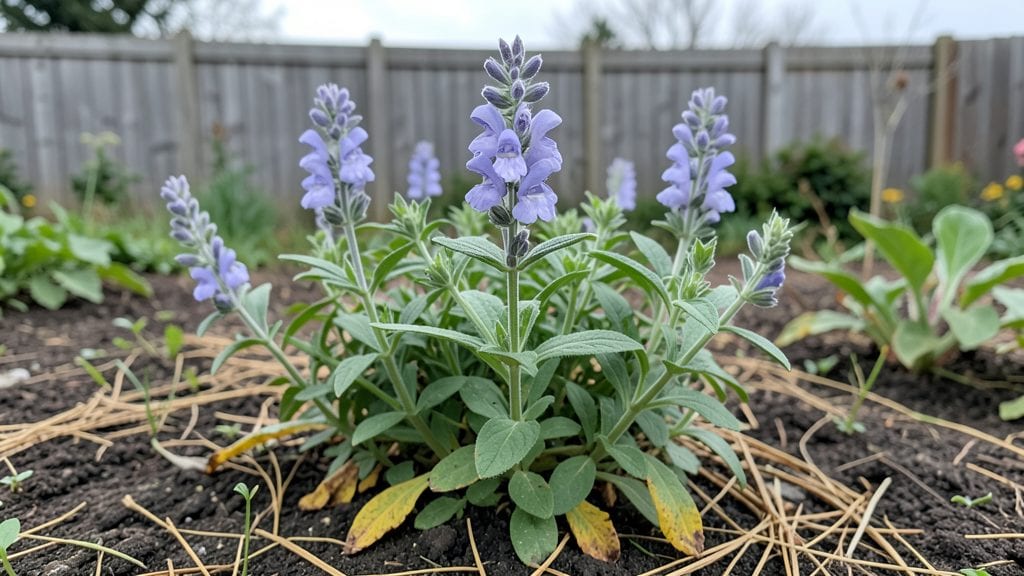
Tall snapdragon plants turn any garden into a living postcard. 🌿 I grew 'Rocket' snapdragons last summer, and their 4-foot spikes of blooms made my neighbors stop and stare—no fancy trellis or staking required. The key is letting them stretch naturally while giving their stems the support they secretly crave.
These vertical bloomers thrive in full sun and well-drained soil, but the real magic happens when you space them 12-18 inches apart. Too close, and they’ll flop like overgrown weeds; too far, and you’ll waste space.
A light feeding with balanced fertilizer every 4-6 weeks keeps stems sturdy and blooms abundant, while deadheading spent flowers extends the show through fall.
By late summer, you’ll have three distinct trims: the initial flush of blooms, a midseason bushier display after pruning, and a final frost-resistant wave of color. The stems stay strong until hard frost, giving you weeks of vertical interest that hummingbirds can’t resist.
Works for borders, containers, or cut flower gardens—just avoid heavy pruning that severs the main stem. The more you handle them, the bushier they get, but the blooms stay taller than anything else in the garden. Let’s get those spikes growing straight and proud!
📚 In This Guide
- What you need
- Instructions
- Tips and common mistakes
- Wrapping up and next steps
What you need
- ● Snapdragon seeds or seedlings: Choose tall varieties like ‘Black Prince,’ ‘Rocket,’ or ‘Apache’ (60-90 cm tall). Buy 10-20 seeds for a full display or 3-5 seedlings for a smaller patch.
- ● Well-draining potting mix: A high-quality seed-starting mix (e.g., ProMix or Miracle-Gro) or garden soil amended with compost (50/50 ratio). Avoid heavy clay.
- ● Containers or garden bed: For containers: Use 5-7 inch pots (minimum) with drainage holes. Opt for fabric grow bags (10-12 inches deep) for deeper roots.
- ● For garden beds: Ensure 6+ hours of sunlight and well-amended soil (pH 6.0-7.0). Space plants 12-18 inches apart for full growth.
- ● Fertilizer: A balanced, slow-release fertilizer (10-10-10 or 5-10-5) or organic options like fish emulsion (mix 1 tbsp per gallon of water).
- ● Support structures: Bamboo stakes (2-3 ft tall), tomato cages, or small trellises to prevent flopping.
- ● Basic gardening tools: Trowel, pruning shears, and gloves.
- ● Watering can or hose: With a gentle spray nozzle to avoid disturbing seedlings.
- ○ Optional but helpful: Heat mat (for indoor seed starting, 70-75°F ideal).
- ● Grow lights (12-16 hours/day if natural light is limited).
- ● Mulch (straw or shredded leaves) to retain moisture.
- ● Plant labels to track varieties and trimming schedules.
How to grow tall snapdragons for season-long vertical beauty
Here's the straightforward method I use to coax those towering snapdragon spikes from seed to full bloom.
🌱 Step 1: Start Seeds Indoors for Early Blooms
Fill the 4-cell seed starting tray with the 1 quart seed-starting mix and moisten it until damp but not soggy. Snapdragons germinate best in warm conditions, so place the tray on a seedling heat mat set to 70-75°F. This ensures faster germination and stronger seedlings.
Sow 2-3 seeds per cell at a depth of ¼ inch—any deeper and they'll struggle to reach light. Cover lightly with additional mix and mist the surface with a spray bottle. Keep the tray covered with a humidity dome until germination, which typically occurs in 7-14 days. Real talk: if you skip the heat mat, germination might take twice as long, especially in cooler rooms.
☀️ Step 2: Provide Bright Light and Prevent Leggy Growth
The instant those first true leaves appear, move the seedlings under a grow light positioned 2-3 inches above them. Snapdragons need 14-16 hours of light daily to grow sturdy, not stretched. You'll know your light is working if the seedlings have thick stems and dark green leaves spaced closely together.
Rotate the tray a quarter turn daily so plants grow straight instead of leaning. If you notice seedlings reaching toward the light with thin, pale stems, your light is too far away—lower it immediately. Once seedlings have 3-4 sets of leaves, they're ready for transplanting into the 4-inch pots filled with the 1 gallon potting mix you've pre-mixed with the 1 tablespoon slow-release fertilizer.
🪴 Step 3: Transplant and Support for Maximum Height
Gently remove each seedling from the tray, keeping the root ball intact. Plant one per 4-inch pot, pressing the soil lightly around the base to eliminate air pockets. Snapdragons grow 2-4 feet tall, so insert a 6-inch stake into each pot now—waiting until they're taller makes them top-heavy and prone to flopping.
Place the pots in a location with full sun (6+ hours daily) and water deeply until the potting mix feels moist 1 inch below the surface. Here's the thing—snapdragons hate soggy roots, so always let the top inch dry out between waterings. Once planted, they'll grow 1-2 inches per week if conditions are right.
✂️ Step 4: Prune for Continuous Blooms and Vertical Shape
When the first flowers open, you'll want to deadhead spent blooms by pinching off the faded flower spikes just above a set of leaves. This encourages the plant to produce new side shoots that will bloom continuously. I also trim back the tallest stems by one-third after the first flush of flowers to promote bushier growth and prevent the plants from becoming too top-heavy.
For that classic snapdragon shape, pinch back the top set of leaves on each stem when the plant reaches 12 inches tall. This forces the plant to branch out, creating a fuller, more compact form. Repeat this pinching every 4-6 weeks throughout the growing season to maintain height and encourage multiple blooming cycles.
🌿 Step 5: Overwinter and Prepare for Next Season
In late fall, when temperatures drop below 50°F, snapdragons will go dormant. Reduce watering and stop fertilizing. Cut back the stems to 2 inches above the soil and move the pots to a cool, dark location (like a garage or basement) where temperatures stay between 40-50°F. This protects the roots and allows the plant to recover for next season.
In early spring, repot the snapdragons into fresh 4-inch pots with the 1 gallon potting mix and resume regular care. You'll see new growth within 2-3 weeks—that's your signal to move them back outdoors. Here's where it gets fun: with proper overwintering, your snapdragons can live for 3-4 years, giving you stunning vertical blooms season after season.
Tips & tricks for growing towering snapdragons
Here's what I've learned to help your snapdragons reach their full vertical potential—without the common pitfalls that keep them from thriving.
Heat Mat Hack: That 70-75°F heat mat isn't just about speed—it's about consistency. I've seen germination times stretch to 3 weeks when using a regular windowsill, especially in cooler homes. If you don't have a heat mat, place the tray on top of your fridge (not inside) for gentle warmth. The key is maintaining that 70°F range consistently—fluctuations slow everything down.
Light Positioning Secret: Those 14-16 hours of light need to be bright and direct. I position my grow light just 2-3 inches above the seedlings and adjust it as they grow—if you notice them stretching toward the light, lower it immediately. A good test: if you can read a book comfortably under the light, it's too dim. LED grow lights are worth the investment for this step alone.
Transplanting Technique: When moving seedlings to 4-inch pots, I make sure to press the potting mix firmly around the roots—this eliminates air pockets that can cause wilting. Here's a trick I learned the hard way: water the seedlings thoroughly 24 hours before transplanting. This helps the root ball stay intact and reduces transplant shock. The 6-inch stakes should go in now, not later—trust me, waiting until they're taller makes them floppy.
Pruning Timing: The 4-6 week pinching schedule keeps your snapdragons bushy, but timing matters. I wait until the plant reaches 12 inches and has at least 4-5 sets of leaves before the first pinch. This ensures the plant is strong enough to handle the stress. After the first flush of flowers, trim back the tallest stems by one-third—this might seem drastic, but it triggers those beautiful side shoots that give snapdragons their signature vertical look.
Pro Tips for Tall Snapdragon Plants
- Here's what I've learned to help your snapdragons reach their full vertical potential—without the common pitfalls that keep them from thriving.
- Heat Mat Hack: That 70-75°F heat mat isn't just about speed—it's about consistency.
- Light Positioning Secret: Those 14-16 hours of light need to be bright and direct.
Frequently asked questions
Got questions about growing tall snapdragons? You’re not alone!
Here are answers to the most common queries—from spacing to pruning—so you can enjoy those towering blooms with confidence.
How far apart should I plant tall snapdragons?
Space tall snapdragons 12–18 inches apart in rows, or 18–24 inches apart in beds. This gives them room to grow upright without crowding, ensuring strong stems and abundant blooms. If growing in containers, plant 3–5 plants per 12-inch pot for a full, vertical display.
When is the best time to trim tall snapdragons?
Trim snapdragons after the first flush of blooms (late spring/early summer) to encourage a second or third flush. Deadhead spent flowers regularly to redirect energy to new growth. For a clean finish, give a light haircut in early fall before frost to tidy up the foliage.
Can I grow tall snapdragons in containers?
Choose deep containers (at least 12 inches deep) with well-draining soil. Opt for dwarf or compact varieties like ‘Black Knight’ or ‘Matrix’ if space is tight. Ensure containers get 6+ hours of sunlight daily and water consistently—they dry out faster in pots.
Why are my tall snapdragons wilting or drooping?
Wilting often signals underwatering or root stress. Check soil moisture—snapdragons prefer consistently moist (not soggy) soil. Overhead watering can also cause fungal issues; water at the base. If leaves yellow, it may be overwatering or nutrient deficiency. Fertilize lightly with a balanced formula every 4–6 weeks.
Are there shorter snapdragon varieties for smaller gardens?
Yes! If height isn’t your goal, try ‘Tall Picotee’ (18–24 inches) or ‘Matrix’ series (12–18 inches). For true dwarf options, ‘Pocket Picotee’ stays under 12 inches and blooms prolifically. These work beautifully in borders, window boxes, or even as edging plants.
Wrapping up and next steps
Growing tall snapdragon plants is a rewarding way to add drama and height to your garden—whether you're trimming them into seasonal styles or simply enjoying their vibrant blooms! With the right techniques, you’ll create stunning vertical displays that thrive year after year.
Now that you’re armed with tips on care, trimming, and troubleshooting, it’s time to get growing!
🌱 Next steps:
- Pick your favorite seasonal trim style and start practicing!
- Share your progress with fellow gardeners—inspiration spreads fast!
- Experiment with colors and heights to make your garden uniquely yours.