
Pests
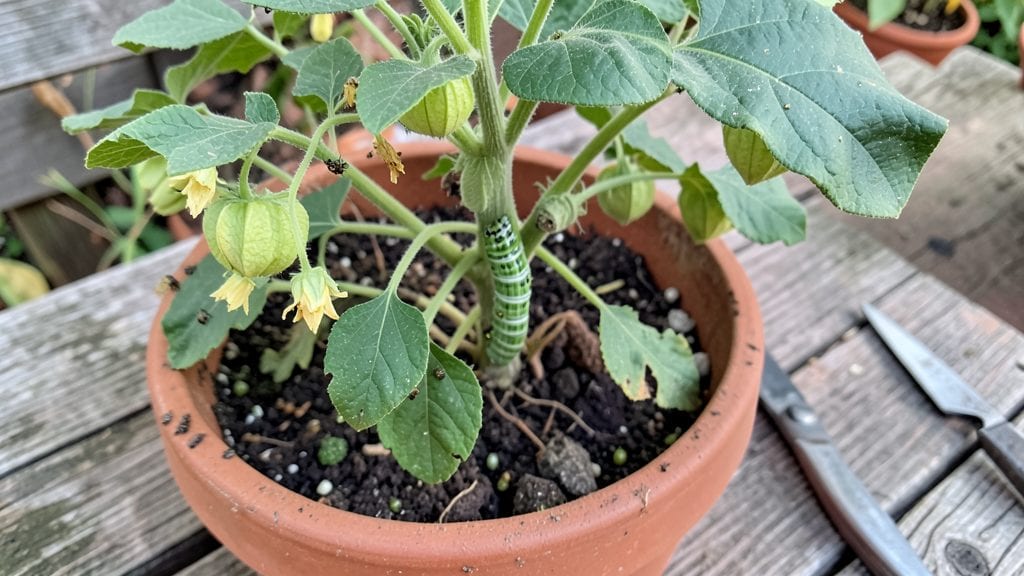
Tomatillo plant pests can turn your harvest into a battleground before you even pick the first fruit. 🌱 I’ve watched aphids cluster like cotton balls on stems and fruit borers drill holes through still-green tomatillos—both disasters that ruin flavor and yield.
The good news? Most of these invaders respond to simple, nontoxic fixes once you know what you’re dealing with.
Your first line of defense is recognizing the culprits: aphids leave sticky residue, whiteflies flutter when you shake leaves, and fruit borers create tiny exit holes.
I’ve used a mix of neem oil sprays, companion planting with basil, and row covers to keep my plants thriving without harsh chemicals. The key is acting fast—once pests get a foothold, they multiply faster than you can say "salsa season."
With the right approach, you’ll protect your plants from leaf-eating caterpillars to root-feeding grubs, all while keeping your garden ecosystem balanced. My tomatillos now produce plump, tangy fruit without a single blemish—proof that a little prevention goes a long way.
Let’s tackle these pests before they take over your harvest.
Whether you’re dealing with a sudden infestation or just want to stay ahead, these strategies work for container gardens, raised beds, and in-ground plots alike. The goal isn’t just to fight pests—it’s to grow tomatillos so vibrant they make your neighbors ask for cuttings. Ready to reclaim your plants?
Root Causes Of Tomatillo Pest Attacks
Tomatillo plants, with their vibrant green husks and tangy fruit, are a gardener’s delight—but they’re also a magnet for pests. Understanding why these critters target your tomatillos is the first step to keeping them at bay.
Below, we break down the key reasons pests invade your plants, from environmental triggers to plant health signals.
Pests thrive when tomatillos are stressed or compromised, making them easier targets. Here’s why this happens:
- Nutrient Deficiencies 🍃 When your plants lack essential nutrients (like nitrogen, phosphorus, or potassium), their natural defenses weaken. Pests like aphids and whiteflies detect these deficiencies and flock to weakened foliage for easy access to sap.
- Overcrowded Growth 🌿 Tomatillos planted too closely compete for sunlight, water, and nutrients. This stress makes them more susceptible to fungal infections (e.g., powdery mildew) and insect infestations, as pests exploit the plant’s vulnerability.
- Improper Watering 💧 Both underwatering (drought stress) and overwatering (root rot) create ideal conditions for pests. Drought-stressed plants attract spider mites, while soggy soil invites fungal gnats and slugs.
💡 Pro Tip: Conduct a soil test to check nutrient levels and adjust fertilization. Space plants 18–24 inches apart for better airflow and health.
Pests don’t just choose tomatillos—they’re drawn by environmental factors that make your garden a buffet. Here’s how climate plays a role:
- Warm, Humid Weather ☀️💦 Many tomatillo pests (like tomato hornworms and fruit flies) thrive in 70–85°F temperatures with high humidity. These conditions speed up their life cycles, leading to faster infestations.
- Dry, Hot Spells 🔥 Heat stress causes plants to produce more sugars in leaves, making them sweeter—and more appealing—to sap-sucking pests like aphids and whiteflies.
- Poor Air Circulation 🌀 Stagnant air in dense plantings or shaded areas traps moisture, creating a pest paradise. Fungal pests (e.g., early blight) and soft-bodied insects (like thrips) love these conditions.
✨ Solution: Use row covers in early season to deter flying pests, and prune plants to improve airflow.
Some pests are hardwired to target tomatillos because of their biology, scent, or taste. Here’s why they zero in:
- Volatile Organic Compounds (VOCs) 🧪 Tomatillos release chemical signals (like green leaf volatiles) that attract pests. For example, caterpillars (like hornworms) use these scents to locate host plants.
- Soft, Tender New Growth 🌱 Young tomatillo leaves and stems are nutrient-rich and easy to chew, making them prime targets for cutworms and leaf miners. Older, tougher leaves are less appealing.
- Fruit Ripeness & Sugar Content 🍅 As tomatillos ripen, their sugar levels rise, attracting fruit flies and beetles. Overripe or damaged fruit becomes a magnet for scavengers.
🎯 Prevention Tip: Harvest tomatillos before full ripeness if pests are a recurring issue, and remove fallen fruit to deter flies.
A neglected garden is an open invitation for pests. Here’s how past problems create future ones:
- Leftover Debris & Mulch 🗑️ Old plant matter, fallen leaves, and thick mulch provide hiding spots for pests like slugs, earwigs, and fungal gnats. These critters then migrate to healthy tomatillos.
- Previous Pest Outbreaks 🐛🔄 If your garden had aphids or whiteflies last season, their eggs or larvae may still be lurking in soil or plant residues, ready to hatch when new tomatillos sprout.
- Weak Beneficial Insect Populations 🐝➡️🐞 Without enough ladybugs, lacewings, or parasitic wasps, natural pest control breaks down. Pests like spider mites multiply unchecked when their predators are absent.
🔥 Action Step: Clear garden beds in fall, rotate crops, and plant companion flowers (like marigolds or basil) to attract beneficial insects.
Not all tomatillos are equally pest-resistant. Some varieties are more susceptible due to:
- Thin Skins or Delicate Foliage 🍃 Varieties like ‘Green Sage’ have softer leaves, making them easier targets for chewing insects (e.g., beetles, caterpillars).
- High-Yielding but Stress-Prone Traits 🌱 Some hybrid tomatillos produce more fruit quickly, which can exhaust the plant’s defenses, leaving it vulnerable to pests.
- Lack of Natural Pest Repellents 🛡️ Unlike some plants that produce bitter compounds (e.g., tomatoes with high solanine), tomatillos have fewer built-in defenses, making them more appealing to generalist pests.
💡 Smart Choice: Opt for pest-resistant varieties like ‘Purple de Milpa’ (which has thicker skins) or ‘Mexican Green’ (more disease-resistant).
Pests don’t attack tomatillos randomly—they’re responding to signals your plants are sending. By addressing weakness, climate, attraction factors, hygiene, and plant selection, you can dramatically reduce infestations before they start.
Next up: Learn how to spot these pests early and eliminate them naturally in our Identification Guide.
How to Fix Tomatillo Troubles
Now that you’ve identified the culprits wreaking havoc on your tomatillo plants, it’s time to roll up your sleeves and reclaim your garden! 🛡️🌱 The good news? Most of these pests and issues have straightforward, effective solutions—whether you’re dealing with chewers, suckers, or fungal foes.
Below, we’ve mapped out practical fixes for each problem, along with prevention tips to keep your tomatillos thriving long-term.
Fix:
- Handpick & crush 🔥: Grab a spray bottle of soapy water (1 tsp mild dish soap + 1 quart water) and dab aphids directly. They’ll pop like overripe berries—messy but satisfying!
- Blast with water 💦: A strong stream from the hose dislodges clusters. Do this in the early morning so leaves dry quickly (prevents fungal growth).
- Introduce predators 🦋: Ladybugs, lacewings, and parasitic wasps love aphids. Buy them online or attract them with dill or fennel planted nearby.
- Neem oil spray 🌿: Mix 1 tbsp neem oil + 1 tsp mild soap + 1 quart water. Spray under leaves (where aphids hide) every 5–7 days until gone.
Prevent:
- Reflective mulch ✨: Lay aluminum foil or silver plastic around plants—aphids hate shiny surfaces!
- Sticky traps 🎯: Hang yellow sticky traps near plants to catch migrating aphids.
- Resistant varieties: If aphids are chronic, try ‘Purple Streak’ or ‘Green Sage’ tomatillos—they’re slightly less appealing.
Fix:
- Handpick daily 👨🍳: Check leaves every morning (they’re fast growers!). Drop them into soapy water—no mercy!
- Bacillus thuringiensis (Bt) 💊: A natural bacteria that kills hornworms when ingested. Spray every 7–10 days (safe for humans/pets).
- Chicken wire shield 🛡️: Wrap young plants in lightweight wire mesh to block egg-laying moths.
Prevent:
- Plant companions 🌱: Basil, marigolds, or dill repel hornworm moths. Interplant them near tomatillos.
- Prune strategically ⏰: Remove lower leaves (where eggs are laid) to reduce hiding spots.
- Rotate crops 🔄: Avoid planting tomatillos in the same spot yearly—moths remember!
Fix:
- Baking soda spray 🧂: Mix 1 tsp baking soda + 1 tsp oil + 1 tsp soap + 1 gallon water. Spray every 7–10 days to prevent powdery mildew.
- Copper fungicide 🛡️: Use organic copper spray (like Bonide Copper Fungicide) at first signs of blight or mildew.
- Remove infected leaves 🔪: Snip off yellow/spotted leaves and dispose of them in the trash (not compost)—fungi spread via debris!
Prevent:
- Space plants widely 🌡️: Tomatillos need 18–24 inches apart for good airflow (fungi thrive in humidity).
- Water at the base 💦: Avoid wetting leaves—water in the early morning so foliage dries by evening.
- Mulch with straw 🌾: Keeps soil moist (but not soggy) and reduces splash-up spores.
Fix:
- Yellow sticky traps 🎯: Hang traps above plants to trap adults. Replace weekly.
- Soapy water spray 🧼: Mix 1 tsp castile soap + 1 quart water and spray directly on undersides of leaves.
- Neem oil 🌿: Spray neem oil solution (as above) every 5 days until flies disappear.
Prevent:
- Avoid over-fertilizing 💪: Whiteflies love soft, nitrogen-rich growth. Use balanced fertilizer (10-10-10).
- Plant trap crops 🌱: Collard greens or mustard greens attract whiteflies away from tomatillos.
- Row covers 🛡️: Use fine mesh netting over young plants to block adults.
Fix:
- Beer traps 🍺: Bury a shallow dish (yogurt container) filled with beer. Slugs crawl in and drown—gross but effective!
- Copper tape ⚡: Wrap copper tape around pots or plant bases—slugs get a mild shock and avoid it.
- Diatomaceous earth 🌡️: Sprinkle food-grade DE around plants (reapply after rain). It dehydrates slugs on contact.
Prevent:
- Remove hiding spots 🌿: Clear mulch, boards, and dense foliage near plants.
- Plant slug-repellent herbs 🌱: Mint, thyme, or garlic chives around tomatillos.
- Handpick at night 🌙: Use a flashlight to spot and squash slugs after dark (they’re most active then).
Even after pests are gone, strong plants resist attacks better.
Keep your tomatillos happy with these tips: - Prune regularly ⏰: Remove yellow leaves and suckers to improve airflow and energy focus. - Feed lightly 💪: Use compost tea or fish emulsion every 3–4 weeks for balanced nutrients. - Rotate crops 🔄: Never plant tomatillos in the same spot two years in a row—breaks pest/disease cycles.
Pro Tip: 💡 Monitor weekly! Pests strike fast—check plants 2–3 times a week (especially undersides of leaves). Early action = easier wins!
Frequently asked questions about tomatillo plant pests
What are the most common signs that my tomatillo plants have pests?
Look for sticky residue on leaves (aphids), tiny holes in fruit or leaves (fruit borers), yellowing leaves with white webbing (whiteflies), or chewed edges on foliage (caterpillars). Also check undersides of leaves—many pests hide there!
Can I use neem oil on tomatillo plants, and how often should I apply it?
Yes! Mix 1 tablespoon neem oil + 1 teaspoon mild soap + 1 quart water and spray every 5-7 days until pests disappear. Apply in the early morning for best results. Avoid spraying when flowers are open to protect pollinators.
Will companion planting really help prevent tomatillo pests?
Plant basil, marigolds, or dill nearby to repel pests like aphids and whiteflies. These companions also attract beneficial insects (like ladybugs) that eat common tomatillo pests. Try interplanting them for maximum protection.
What should I do if my tomatillos already have holes from fruit borers?
Remove infested fruit immediately and dispose of it in sealed trash (not compost). For existing holes, prune affected branches to improve airflow. Apply Bacillus thuringiensis (Bt) spray to kill larvae before they mature.
Are there any organic sprays that work better than soap sprays for stubborn pests?
For tough infestations, try a baking soda spray (1 tsp baking soda + 1 tsp oil + 1 tsp soap + 1 gallon water) for fungal issues, or kaolin clay (1 tbsp clay + 1 gallon water) to deter soft-bodied pests like aphids. Both are safe and effective when reapplied every 7-10 days.