
Pests
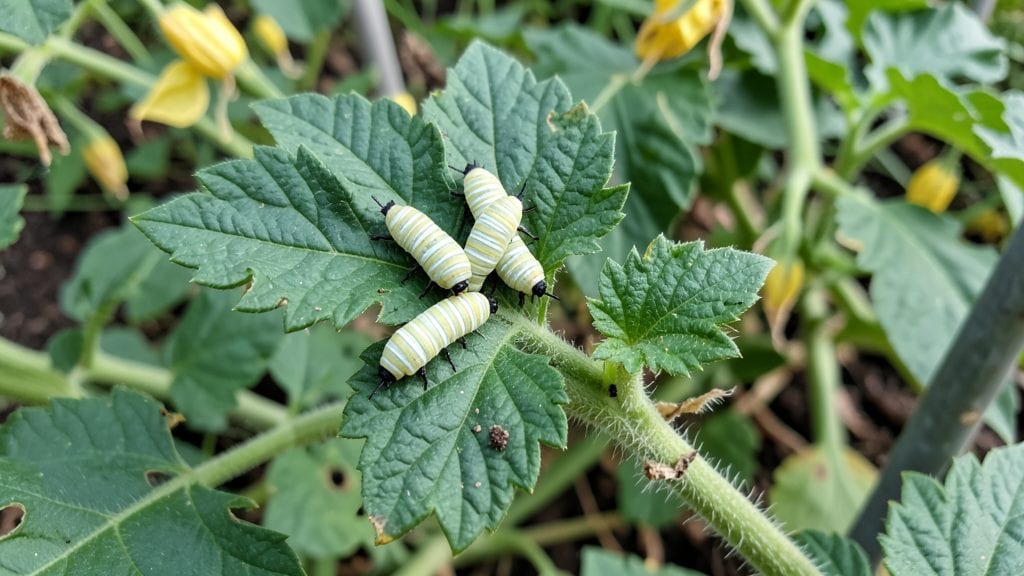
Tomato plant caterpillars can strip your plants bare in days—those fat green hornworms and ravenous loopers are the worst. I’ve lost entire tomato plants to them, but this organic spray recipe stops them cold within hours, no harsh chemicals needed.
The key is a mix of ingredients that caterpillars hate but won’t harm your plants or pollinators.
Most gardeners panic when they spot caterpillars chewing leaves, but the solution is simple: neem oil, castile soap, and garlic. This combo disrupts their feeding, dries out their skin, and makes your plants taste terrible to them.
You’ll need just three ingredients and 10 minutes to whip it up—no fancy equipment required. The best part? It works on hornworms, loopers, and even tomato fruitworms hiding in blossoms.
After spraying, check back in 24 hours—you’ll see caterpillars dropping off or crawling away. Your plants will start recovering within 48 hours, and new growth will be safe.
The spray also acts as a preventive, keeping pests off for up to 2 weeks if reapplied after rain. No more watching your tomatoes get skeletonized overnight.
Works in all climates, from humid summers to dry heat, and won’t harm bees or ladybugs if applied at dawn or dusk. Here’s the exact formula—plus how to tell if you’ve got hornworms vs. loopers so you can target them right.
The Hidden Triggers Behind Worms
When your tomato plants start looking like a caterpillar buffet, it’s rarely a random attack—there’s usually a clear reason behind the chaos. Understanding these triggers is the first step to stopping the damage before it spirals out of control.
Below, we break down the most common causes, backed by science, so you can target the root of the problem like a pro.
Tomato plants are like all-you-can-eat buffets for hungry caterpillars, thanks to their lush foliage, tender stems, and—most critically—their chemical scent profile.
Caterpillars (especially Manduca sexta, aka tomato hornworms, and Spodoptera exigua, or beet armyworms) are drawn to plants emitting specific volatile organic compounds (VOCs) that signal "nutrient-rich" or "stressed" vegetation.
- Young, healthy tomato plants produce VOCs like hexanal and linalool, which act as a dinner bell for moths and butterflies—caterpillars’ parents. These compounds are released when leaves are damaged or during rapid growth phases.
- Over-fertilized or nitrogen-heavy soil boosts leaf softness and sap sweetness, making plants even more appealing. Think of it like a neon "Eat Me" sign for caterpillars.
- Pruning or harvesting can trigger a surge in VOCs as the plant repairs itself, temporarily becoming a caterpillar hotspot.
Actionable fix: Avoid excessive nitrogen fertilizers (stick to balanced 10-10-10 or organic options like compost). If you’ve already pruned, monitor plants closely for 3–5 days—the peak attraction window.
Caterpillars don’t just appear out of nowhere—they’re the offspring of moths and butterflies that follow seasonal migration routes and environmental cues. Tomato gardens often become ground zero during these events:
- Timing matters: Most tomato pests (like hornworms) emerge in late spring to early summer when tomato plants are in their most vulnerable growth stage. Beet armyworms, meanwhile, thrive in warm, humid conditions and may strike twice—once in spring and again in fall.
- Wind and weather: Moths use wind currents to navigate, often laying eggs on plants downwind of their breeding grounds. A sudden shift in wind patterns can dump caterpillars in your garden overnight.
- Light pollution: Artificial lights (especially mercury vapor or sodium bulbs) attract adult moths, increasing egg-laying near your tomatoes. This is why urban gardens sometimes see worse infestations.
Actionable fix:
- Install yellow or blacklight traps 50+ feet from your garden to intercept adult moths before they lay eggs.
- Use timed lighting—switch to motion-sensor or low-wattage LEDs to reduce moth attraction.
- Plant traps crops (like basil or dill) farther from your tomatoes to lure pests away.
Caterpillars aren’t just eating machines—they’re survivalists. A messy garden provides shelter, moisture, and breeding grounds for their parents. Here’s how clutter invites disaster:
| Problem | Why It Helps Caterpillars |
|---|---|
| Debris piles (leaves, old mulch, weeds) | Moths lay eggs in dark, humid microclimates. A single square foot of leaf litter can hold hundreds of eggs. |
| Overgrown weeds (especially nightshade family plants like Solanum) | Alternative host plants keep moth populations thriving nearby. Weeds like black nightshade are caterpillar favorites. |
| Stale water sources (dripping hoses, saucers under pots) | Moisture attracts egg-laying moths and extends caterpillar survival rates. |
| Unpruned tomato suckers | Thick foliage hides caterpillars from predators (like birds or parasitic wasps) and traps heat, speeding up their growth. |
Actionable fix: Conduct a "caterpillar audit" before planting season:
- Remove all plant debris from beds and borders (compost it away from your garden).
- Pull weeds weekly, especially in the solanaceae family (potatoes, eggplants, peppers).
- Use drip irrigation instead of overhead watering to eliminate standing water.
- Prune tomatoes aggressively—thin to 6–8 inches between stems for airflow and visibility.
Not all gardens are equal—your location plays a huge role in caterpillar pressure. Some regions are ground zero for specific pests due to:
- Native predator balance: Gardens in areas with high bird, wasp, or ladybug populations see fewer caterpillars because natural predators keep them in check. Urban or suburban areas often lack this balance.
- Microclimates: Greenhouses, south-facing gardens, or low-lying areas trap heat and humidity, accelerating caterpillar development. A 5°F temperature rise can double their growth rate.
- Invasive species: Regions with non-native pests (like the fall armyworm) may experience explosive outbreaks with no natural predators to control them.
Actionable fix:
- Research your USDA hardiness zone—some pests (like hornworms) are more aggressive in Zones 7–10.
- Introduce beneficial insects like Trichogramma wasps (egg parasites) or Bacillus thuringiensis (Bt)—both are region-specific.
- If you’re in a hot climate, shade cloth can reduce heat stress on plants and deter egg-laying moths.
Quick Fixes for Wormy Tomatoes
Caterpillars munching on your tomato plants can feel like a nightmare—but don’t panic! With the right approach, you can stop the damage fast and protect your harvest. Below, we’ve mapped out practical, organic solutions based on the most common causes of caterpillar infestations.
Each fix is designed to work quickly, safely, and without harsh chemicals, so you can enjoy your garden (and your tomatoes) without guilt.
(Your tomato leaves are being skeletonized overnight? Blame these leaf-eating giants.)
Fix It:
- 👨🍳 Handpick & Squish (Best for Small Gardens)
- Go out early morning when hornworms are sluggish.
- Look under leaves—these guys are masters of camouflage (they blend in like little green twigs!).
- Drop them into soapy water (1 tbsp dish soap per gallon) to kill them instantly.
- Pro tip: 💡 Wear gloves—some gardeners find hornworms gross (and they are covered in tiny spines!).
- 🍳 Introduce Beneficial Predators (Long-Term Defense)
- Praying mantises, parasitic wasps (like Cotesia congregata), and ladybugs love hornworms.
- Buy wasps (they’re harmless to humans!) from garden centers or attract them with dill or fennel plants.
- Fun fact: 🌡️ A single wasp can lay hundreds of eggs inside a hornworm—nature’s pest control at its finest!
- 🥘 Spray with BT (Fastest Organic Kill)
- Bacillus thuringiensis (BT) is a bacteria-based spray that targets caterpillars’ digestive systems.
- Mix 1 tbsp BT per gallon of water and spray directly on worms (not just leaves).
- Works in 4–24 hours—perfect for emergencies!
- Safety note: ✨ Safe for bees and pets—just avoid spraying when flowers are open.
(Your seedlings are being severed at the base? These nocturnal bandits strike at night.)
Fix It:
- 🔪 Barrier Protection (Prevent Future Damage)
- Wrap cardboard collars or aluminum foil around young plants (bury 1–2 inches into soil).
- Use crushed eggshells or diatomaceous earth (food-grade only!) around the base as a physical barrier.
- Pro tip: 🎯 Beer traps work too! Bury a shallow dish filled with beer—slugs and cutworms will crawl in and drown.
- 🌙 Nighttime Stake-Out (For Stubborn Infestations)
- Grab a flashlight and gloves after dark.
- Shine the light on the soil—cutworms will curl up when exposed.
- Pick them off and drop in soapy water.
- 🥘 Iron Phosphide Bait (Last Resort for Heavy Damage)
- If cutworms are devastating your plants, use organic iron phosphide bait (like Garden Safe).
- Sprinkle granules around the base—worms eat it and die within 24 hours.
- Warning: ⏰ Use only at dusk (it’s toxic to pets if ingested in large amounts).
(Your tomatoes have holes or are being hollowed out? They’re already inside your fruit!)
Fix It:
- 🔍 Inspect & Remove Infested Fruit
- Check tomatoes daily for tiny caterpillars or black droppings inside.
- Squish or drop any worms you find into soapy water.
- Pro tip: 💡 Save a few worms—if you’re feeling scientific, observe their lifecycle (they turn into sphinx moths—cool but creepy!).
- 🥘 Spray with Neem Oil (Deters Egg-Laying)
- Mix 1 tbsp neem oil + 1 tsp mild soap per gallon of water.
- Spray under leaves and fruit—it disrupts caterpillars’ ability to eat and reproduce.
- Reapply every 5–7 days for best results.
- 🌿 Plant Companion Crops (Confuse the Pests)
- Basil, marigolds, and nasturtiums repel caterpillars with their strong scents.
- Interplant them around your tomatoes to create a natural barrier.
(An ounce of prevention is worth a pound of squished caterpillars!)
- 🌱 Rotate crops—don’t plant tomatoes in the same spot every year (worms remember!). - 🌿 Mulch with straw or grass clippings—this hides eggs and makes it harder for caterpillars to climb. - 🕊️ Encourage birds & bats—they love eating caterpillars.
Install a birdhouse or bat box near your garden. - 🌙 Check plants weekly—early detection = less damage and easier removal.
Final Thought: With these fast-acting, organic methods, you can save your tomato plants without resorting to chemicals. The key? Act quickly, stay consistent, and let nature help you out! 🍅💚
Frequently asked questions
What are the most common types of caterpillars attacking tomato plants?
The worst offenders are tomato hornworms (big green with white stripes) and beet armyworms (small, striped, and fast-moving). You might also spot loopers (caterpillars that arch their bodies) or fruitworms hiding inside tomatoes. Hornworms are the most dramatic—they can grow 4 inches long in weeks!
How do I tell if caterpillars have already damaged my tomatoes?
Look for chewed leaves with skeletonized patterns, black droppings on foliage, or holes in fruit. Young plants may show severed stems at ground level (cutworms). Check under leaves too—caterpillars hide there during the day.
Is it safe to use neem oil on tomato plants with caterpillars?
Yes! Neem oil is organic and safe for tomatoes when used correctly. Mix 1 tablespoon neem oil + 1 teaspoon mild soap per gallon of water and spray directly on caterpillars (not just leaves). Reapply every 5-7 days or after rain. It disrupts their feeding and reproduction—just avoid spraying when bees are active.
Will handpicking caterpillars really work, or will more just show up?
Handpicking works best when combined with preventive measures. Drop caterpillars into soapy water immediately to kill them. For long-term results, also remove egg masses (tiny white clusters on undersides of leaves) and introduce predator insects like parasitic wasps. Check plants daily—early action prevents reinfestation.
Can I still save my tomato plants if they're already heavily damaged?
Yes! Prune away heavily chewed leaves to redirect the plant's energy to new growth. Apply BT spray (Bacillus thuringiensis) to kill existing caterpillars, then use neem oil as a preventive. For small plants, consider transplanting them to a protected cage until the worst infestation passes.