
Picking
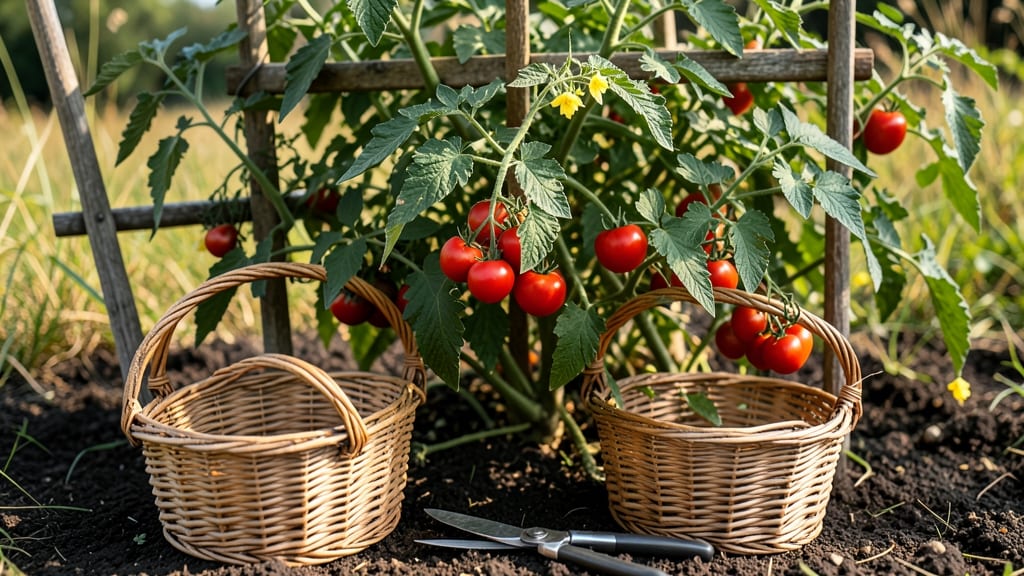
Tomato plant harvesting at its peak ripeness turns a good garden into an embarrassment-of-riches situation—so I’ve learned the hard way that waiting too long means mealy fruit, while picking too early steals flavor. give, and scent.
The right tools and timing make all the difference between a handful of tomatoes and a bushel.
You’ll need a sharp knife or pruning shears, a basket for the haul, and a little patience. Most tomatoes ripen best in the morning when temps are cooler, and varieties like heirlooms need gentle handling to avoid bruising.
Cherry tomatoes? Pick them early and often to keep the plant producing. The key is consistency—check your plants every other day once they start coloring up.
Once harvested, store slicing tomatoes at room temperature for a few days, then refrigerate to slow softening. Cherry and grape types stay fresh longer in the fridge right away.
Properly handled, your tomatoes will taste like summer long after the vines stop producing. The secret isn’t just when to pick—it’s how you treat them after the harvest.
Different varieties behave differently: beefsteaks ripen unevenly, while romas stay firm longer. Keep an eye on your plants, and don’t let unripe tomatoes linger too long—they’ll never reach their full potential. With these techniques, you’ll maximize flavor and yield, turning your garden into a nonstop supply of homegrown goodness.
📚 In This Guide
- What you need
- Instructions
- Tips and common mistakes
- Wrapping up and next steps
What you need
- ● Harvesting tools: Sharp pruning shears or garden scissors (1 pair) – sterilized with rubbing alcohol
- ○ Garden knife or pruning saw (optional, for thicker stems)
- ● Gloves (1 pair) – nitrile or cotton to protect from thorns and dirt
- ● Containers for harvesting: Shallow baskets or mesh bags (2–4) – to prevent bruising
- ● Plastic crates or buckets (1–2) – for sorting by ripeness
- ● Storage supplies: Paper towels or newspaper (1 roll) – for cushioning delicate tomatoes
- ○ Wooden or plastic tomato cages (optional, for post-harvest display)
- ● Weather check: Harvest on a dry, sunny morning (avoid rain or dew).
- ● Time of day: Pick when temps are below 85°F (29°C) to preserve flavor.
- ○ Optional extras: Spray bottle with water (for rinsing off dirt)
- ● Small notebook & pen (to track harvest dates/ripeness)
- ● Food-safe wax (for sealing cuts on heirloom tomatoes)
Instructions for harvesting tomatoes at perfect ripeness
Here’s how to pick tomatoes when they’re at their sweetest and keep them fresh for weeks.
Learn the Visual and Touch Cues for Peak Ripeness
Harvest tomatoes when they’ve reached their full color—deep red for heirlooms, golden yellow for yellow varieties, or a rich orange for cherry types. The skin should feel slightly firm but yield slightly when gently squeezed, like a ripe avocado. Overripe tomatoes will feel mushy or split open, while underripe ones stay hard and pale.
Check the stem end for a natural separation from the vine. When a tomato’s stem pulls away easily, it’s ready. If you tug and the tomato stays attached, it’s not quite ripe yet. I always harvest in the morning when temperatures are cooler—this preserves flavor and prevents sunscald on the vine.
Pick Tomatoes the Right Way to Avoid Damage
Never twist or jerk tomatoes from the vine—this tears the stem and bruises the fruit, shortening shelf life. Instead, use a sharp pair of pruning shears or your thumb and forefinger to pinch the stem cleanly at the base. Hold the tomato firmly with your other hand to prevent rolling away.
If you’re harvesting cherry tomatoes, I like to use small scissors to snip the stems without crushing the fruit. Avoid carrying tomatoes by their stems—always support the fruit itself. Place them in a shallow container to prevent bruising from stacking.
Sort and Store for Maximum Freshness
Separate your harvest into three groups: fully ripe, nearly ripe (green or breaking color), and overripe (soft or cracked). Store fully ripe tomatoes at room temperature in a single layer—never in the fridge, as cold turns their flavor bland. Nearly ripe tomatoes can go in a paper bag with a banana or apple to speed up ripening through ethylene gas.
For long-term storage, place ripe tomatoes in a cool, dark pantry or basement where temperatures stay between 55-65°F. Check them weekly and use the softest ones first. If you notice mold or wrinkling, remove those immediately to prevent spoilage from spreading.
Preserve Excess Harvest with Simple Techniques
If you’ve ended up with more tomatoes than you can eat fresh, turn them into sauces, salsas, or sun-dried slices. For sauces, blanch whole tomatoes in boiling water for 30 seconds, then plunge into ice water to halt cooking. Peel, chop, and simmer with garlic and herbs until thickened.
To sun-dry tomatoes, slice them ¼-inch thick, sprinkle with salt and herbs, then dry in the sun for 3-5 days or in a 175°F oven for 4-6 hours with the door slightly open. Store dried slices in olive oil in the fridge for up to 3 months. I always freeze extras in bags—just wash, dry, and store whole or chopped tomatoes in a single layer before sealing.
Tips & tricks for perfect tomato harvesting
A few simple techniques will help you pick tomatoes at their peak and preserve their flavor for weeks.
Timing Tip: The morning is the absolute best time to harvest tomatoes. Early morning temperatures are cooler, which preserves the fruit's texture and prevents the sunscald that can develop from afternoon heat. I always grab a basket right after sunrise and work quickly—this gives me the freshest flavor and the least amount of damage from handling.
Handling Technique: When harvesting, always support the tomato with your other hand while pinching the stem. This prevents the fruit from rolling away or getting bruised. For cherry tomatoes, use small scissors instead of fingers to avoid crushing. I've learned this the hard way—dropped tomatoes bruise easily, and those spots will rot faster during storage.
Storage Wisdom: The 55-65°F range mentioned for long-term storage is crucial because it mimics the ideal temperature for tomato flavor development. If your pantry runs warmer, place tomatoes in a cardboard box with a damp towel to maintain even moisture. And remember, never refrigerate ripe tomatoes—the cold converts their starches to sugars, making them taste mealy and bland.
Preservation Secret: For sun-drying tomatoes, the 4-6 hours at 175°F is perfect for creating that concentrated, intense flavor. If you're drying in the sun, rotate trays every few hours to ensure even drying. I like to add a sprinkle of sea salt and fresh herbs to the slices before drying—they infuse the tomatoes with amazing flavor during the process.
Pro Tips for Tomato Plant Harvesting
- A few simple techniques will help you pick tomatoes at their peak and preserve their flavor for weeks.
- Timing Tip: The morning is the absolute best time to harvest tomatoes.
- Handling Technique: When harvesting, always support the tomato with your other hand while pinching the stem.
Frequently asked questions
When is the best time of day to harvest tomatoes?
The ideal time to pick tomatoes is in the morning after the dew has dried but before the heat of the day sets in. This ensures the fruit is firm, cool, and at its peak flavor. If you must harvest later, avoid extreme heat or rain to prevent splitting or disease.
How do I know if my tomatoes are fully ripe?
Fully ripe tomatoes should be deep in color (red, yellow, or purple, depending on the variety), slightly soft when gently squeezed, and easy to twist from the vine. If they’re still firm or green at the stem end, they need more time. Pro tip: Smell the tomato—ripe ones have a sweet, fragrant aroma!
What should I do if my tomatoes split before harvest?
Splitting happens when tomatoes grow too quickly due to inconsistent watering or heavy rain. To salvage them, pick them immediately and use them within 1–2 days for cooking (sauces, soups) or freezing. To prevent splitting, water deeply but evenly, especially during dry spells, and mulch to retain moisture.
Can I harvest tomatoes before they’re fully ripe, and how should I store them?
Yes! Green or partially ripe tomatoes can be harvested and ripened indoors at room temperature (away from direct sunlight). For long-term storage, place them in a paper bag with a banana or apple to speed up ripening. Once fully ripe, store in the fridge for up to 2 weeks—but they’ll lose some flavor and texture.
What’s the best way to harvest tomatoes to encourage more production?
Always twist the tomato gently at the stem until it separates cleanly from the vine—never pull or yank. This minimizes damage to the plant and encourages more blossoms. After harvesting, prune suckers and dead leaves to redirect the plant’s energy toward fruit production. Bonus: Harvest regularly to prevent overloading the plant!
Wrapping up and next steps
Harvesting tomatoes at their peak ripeness ensures the best flavor, texture, and nutritional benefits—so you’ve got this! 🌱 Whether you’re a seasoned gardener or just starting, knowing when and how to pick them (and store them properly) makes all the difference.
Now that you’re armed with these harvesting secrets, it’s time to enjoy the fruits of your labor—whether that’s fresh salads, homemade sauces, or sharing your bounty with neighbors.
Ready for the next step? Experiment with recipes! Try roasting your tomatoes, making salsa, or even preserving them for winter. Your garden’s success is just the beginning—let your creativity shine in the kitchen! 🍅✨