
Pruning
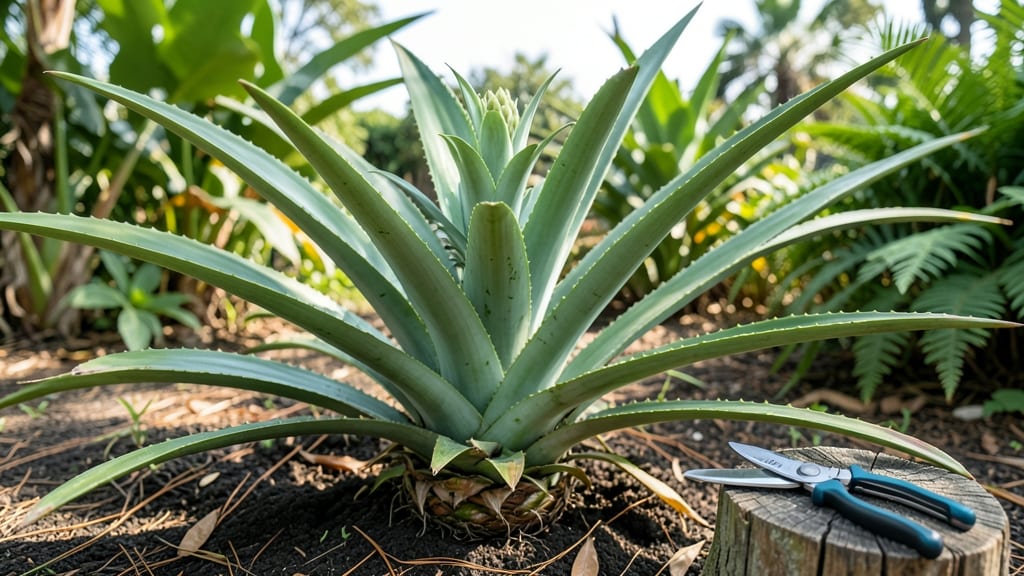
Trimming your pineapple plant isn't just about keeping it tidy—it’s the secret to unlocking bigger fruit and bushier growth. 🌱 I’ve watched my own pineapple plant go from sparse and leggy to producing a second harvest in just six months after learning these three precision cut techniques.
The right tools and timing make all the difference: a sharp pair of pruning shears, a clean cut at the base of the leaves, and patience for the plant to recover.
Most people overdo it by cutting too much at once, but the key is removing only 1/3 of the plant in one session—just enough to encourage new shoots without shocking the plant.
After trimming, you’ll notice fresh green growth within 2-3 weeks, and with proper care—like keeping the soil moist but not soggy and adding a balanced fertilizer—your plant will reward you with thicker foliage and more fruit stalks than before.
The best part? These cuts work whether you’re growing in pots or in-ground.
Fair warning: the first few times, you might hesitate to cut at all. But trust the process—your pineapple plant will thank you with healthier leaves, stronger roots, and that coveted second harvest you’ve been dreaming of. Let’s get those shears ready!
📚 In This Guide
- What you need
- Instructions
- Tips and common mistakes
- Wrapping up and next steps
What you need
- ● Pruning shears or sharp scissors: Sterilized, with clean, sharp blades (avoid dull tools—they crush stems!).
- ● Rubbing alcohol (70% isopropyl): 1 small bottle for sterilizing tools between cuts.
- ○ Garden gloves (optional but recommended): Protects hands from sap and sharp edges.
- ○ Horticultural spray (optional): 1 bottle of neem oil or copper fungicide to prevent infections (if trimming diseased areas).
- ● Newspaper or cardboard: Spread under the plant to catch debris (1–2 sheets).
- ● Healthy pineapple plant: Choose a plant with mature leaves (18+ months old) and no signs of rot or pests.
- ● Sunlight access: Ensure the plant gets 6+ hours of direct sunlight daily post-trim (critical for recovery!).
- ● Patience: Let the plant rest for 2–4 weeks after trimming before expecting new growth.
- ● 💡 Timing matters: Trim in spring or early summer when the plant is actively growing.
- ● 🌡️ Temperature check: Avoid trimming if temps are below 50°F (10°C)—stress weakens recovery.
- ● ✨ Save the crown: If harvesting the pineapple, keep the top 1–2 inches of the fruit to propagate a new plant!
Step-by-step guide to trimming a pineapple plant
Revitalizing your pineapple plant starts with the right cuts—here’s how to do it safely.
✂️ Step 1: Identify and Remove Dead or Damaged Leaves
Start by inspecting your pineapple plant for any brown, yellow, or mushy leaves—these are dead or dying and need removal. Use clean, sharp pruning shears to cut these leaves at the base, just above the soil line. This prevents disease from spreading to healthy parts of the plant.
I always work from the bottom up, removing the oldest leaves first. You’ll notice the plant’s center will start to look cleaner and more open after just a few cuts. Avoid tearing leaves—this can damage the plant’s protective layer and invite pests.
✂️ Step 2: Trim Off the Top Growth for New Pups
Once your pineapple plant has produced a flower and fruit, the mother plant will start sending out smaller offshoots called "pups" from its base. To encourage these pups to grow stronger, cut the top of the main plant—about 1-2 inches above a set of leaves—using your pruning shears.
This step is where you’ll see real growth changes. The pups will start focusing their energy on developing roots and leaves instead of supporting the heavy fruit. Wait until the pups have at least 3-4 leaves and a small root system before separating them from the mother plant.
🌱 Step 3: Prune for Better Airflow and Light Penetration
After removing dead leaves and the top growth, focus on thinning out any crowded or crossing leaves. This improves airflow around the plant, reducing the risk of fungal diseases like leaf spot. Use your shears to trim back any leaves that are blocking light from reaching the center of the plant.
You’ll know you’ve done it right when you can see sunlight reaching all the way to the base of the plant. This also helps the pups grow stronger and more uniformly. Avoid over-trimming—leave enough leaves to keep the plant photosynthesizing effectively.
💧 Step 4: Care for Your Plant After Pruning
After trimming, give your pineapple plant a light watering to help it recover. Water only enough to moisten the soil—avoid soaking it, as pineapple plants are drought-tolerant and prefer slightly dry conditions. This also helps prevent rot in any fresh cuts.
Place the plant in a spot with bright, indirect light for a few days to allow the cuts to heal. You’ll notice new growth starting within 2-4 weeks, especially from the pups. Keep an eye on them—they’ll be ready to transplant once they’ve developed their own roots.
Tips & tricks for revitalizing your pineapple plant
Here's what I've learned after years of watching my pineapple plants thrive—these small details make all the difference.
Timing is Everything: The best time to trim your pineapple plant is in the early morning when the leaves are still turgid with water. This makes the cuts cleaner and reduces stress on the plant. Avoid trimming during hot afternoons or after heavy rain, as the plant will be more vulnerable to disease. I always schedule my trimming for a calm, sunny morning when I know I can give the plant proper aftercare.
Tool Matters: Don't use dull or rusty pruning shears—these can tear leaves and introduce bacteria. Invest in a good pair of bypass pruning shears (around $15-$20) and keep them clean by wiping them down with rubbing alcohol after each use. I also recommend having a small bottle of hydrogen peroxide on hand to disinfect your tools between cuts on different plants. This prevents cross-contamination that could harm your pineapple.
Pup Separation Strategy: When you're ready to separate those pups with 3-4 leaves, look for a small root system forming at their base. Gently wiggle the pup to see if it releases easily from the mother plant. If it doesn't come away cleanly, wait another week—they'll be ready soon. I've found that pups separated at this stage establish themselves much faster than those taken too early. Once separated, let the pups dry out for 24 hours before planting to prevent rot.
Aftercare Secrets: That light watering after pruning should be just enough to moisten the soil—think of it as a gentle drink, not a bath. I like to use a spray bottle for the first few days to encourage new growth without oversaturating the plant. Place your pineapple in a spot with bright, indirect light for 3-5 days post-pruning. You'll know you're doing it right when you see fresh green growth appearing within 2-4 weeks, especially around where you made your cuts.
Pro Tips for Trim Pineapple Plant
- Here's what I've learned after years of watching my pineapple plants thrive—these small details make all the difference.
- Timing is Everything: The best time to trim your pineapple plant is in the early morning when the leaves are still turgid with water.
- Tool Matters: Don't use dull or rusty pruning shears—these can tear leaves and introduce bacteria.
Frequently asked questions
Got questions about trimming your pineapple plant?
Here are the most common ones—and their straightforward answers—to keep your plant thriving!
When is the best time to trim a pineapple plant?
Trim your pineapple plant after it flowers but before the fruit fully ripens (typically 3–4 months post-bloom). This ensures the plant redirects energy to new growth rather than fruit production. Avoid trimming during dormancy (winter) or extreme heat—wait for mild, dry weather for faster recovery.
How much of the pineapple plant should I cut off?
For rejuvenation trims, remove only the dead or yellowing leaves (about 10–20% of the plant). For propagation, cut off the entire crown (top 2–3 inches) or pups (side shoots) at the base. Never cut more than ⅓ of the plant at once—this stresses the roots and slows regrowth.
Can I trim a pineapple plant without killing it?
Yes! With the right technique, trimming revitalizes growth. Use sterilized pruners, cut at a <45° angle, and apply cinnamon or sulfur powder to prevent disease. Water lightly afterward but avoid overwatering—pineapples hate soggy roots. Most plants bounce back in 2–4 weeks if trimmed properly.
What if my pineapple plant turns brown after trimming?
Brown leaves post-trim are normal if only dead or damaged foliage is removed. However, if healthy green leaves brown suddenly, you may have over-trimmed or stressed the plant. Move it to bright, indirect light, reduce watering, and avoid fertilizing for 2 weeks. Browning at the base? Check for root rot—repot in fresh, well-draining soil if needed.
Can I use the trimmed parts to grow new pineapple plants?
The crown (top) or pups (side shoots) can root easily. Let cuts dry for 1–2 days, then plant in cactus/succulent mix. Keep soil moist (not soggy) and place in warm, sunny spot. Roots form in 2–6 weeks—patience is key!
Wrapping up and next steps
Trimming your pineapple plant isn’t just about aesthetics—it’s a game-changer for healthier growth, bigger fruit, and a more vibrant plant! 🌱 Whether you’re using the crown trimming, leaf pruning, or offset removal method, these precision techniques will keep your plant thriving.
With the right tools, timing, and care, you’re well on your way to a bountiful harvest.
Ready to take the next step? Monitor your plant’s progress after trimming, adjust care as needed, and soon, you’ll be enjoying sweet, homegrown pineapples—or even sharing cuttings with fellow plant lovers! 🌟