
Pruning
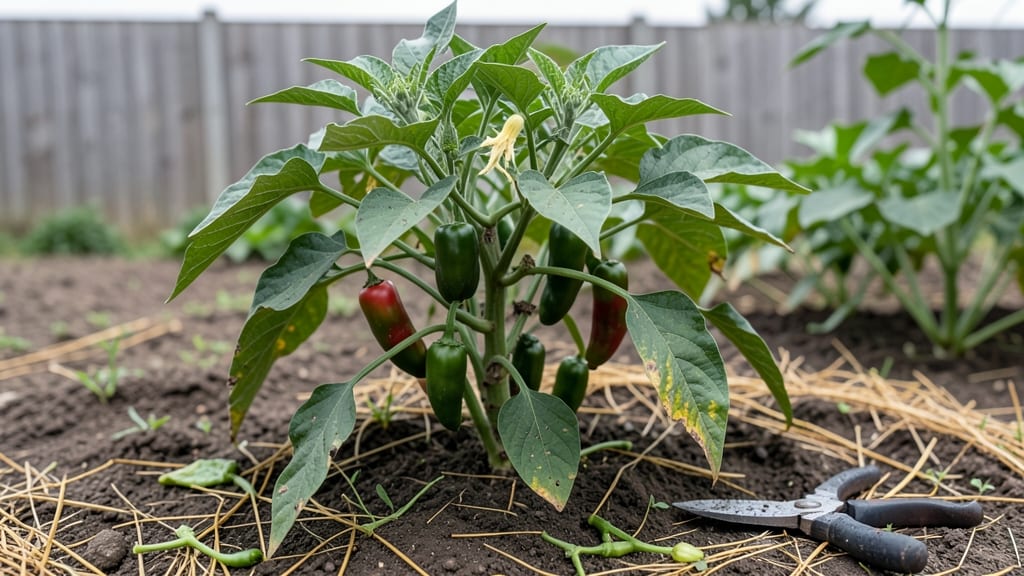
Trimming jalapeño plants isn't just about keeping them tidy—it's the secret to doubling your harvest and packing more heat into every pepper. 🌿 Last summer, my jalapeños went from a handful of small peppers to a bushel of plump, fiery ones after I started pruning like a pro.
The key? Cutting at the right time and in the right places to encourage more branches and bigger yields.
You don’t need fancy tools—just clean pruning shears and a sharp knife. The best time to trim is early in the season when plants are young, but you can also prune lightly during fruiting to improve airflow and reduce disease.
I learned the hard way that over-pruning too late in the season can stunt growth, so timing matters. Focus on removing suckers (those little shoots between the main stem and branches) and any yellow or diseased leaves first.
What you’ll end up with is a bushier, stronger plant that produces more peppers with higher capsaicin levels—the compound that makes them hotter. The plants stay healthier, too, with fewer pests and better air circulation.
Plus, you’ll have more space for new growth instead of just one long stem with a few peppers. Ready to transform those scraggly plants into pepper powerhouses?
This method works for both container-grown and in-ground jalapeños, so whether you’re growing in pots on a balcony or in a full garden bed, the same principles apply. The only real mistake is not starting soon enough—your plants will thank you for it.
📚 In This Guide
- What you need
- Instructions
- Tips and common mistakes
- Wrapping up and next steps
What you need
- ● Pruning shears: Bypass pruners (sharp, clean, and sterilized—think 5-inch blades, like blank">Felco F-2 or blank">Gonicc models). Quantity: 1 pair.
- ● Garden gloves: Durable, cut-resistant (nitrile-coated for grip; size medium/large). Quantity: 1 pair.
- ● Disinfectant: 70% isopropyl alcohol or bleach solution (1:9 ratio) to sterilize tools. Quantity: Small spray bottle or wipe.
- ○ Compost bin or bucket: For clippings (5-gallon capacity). Optional: Add a lid to deter pests.
- ● Watering can or hose: With a fine-mist nozzle for post-pruning hydration.
- ● Healthy plants: Jalapeños should be at least 4–6 weeks old with 3–5 sets of true leaves (avoid trimming seedlings!).
- ● Sunlight: Trim in morning hours (6 AM–10 AM) to allow wounds to dry before evening moisture sets in.
- ● Weather check: Wait for dry, calm conditions (no rain forecasted for 24+ hours).
- ● Patience: 10–15 minutes per plant for thorough trimming (rush = mistakes!).
- ● Plant markers: Labeling tags if you’re experimenting with different pruning techniques (e.g., “Topped Week 6”).
- ● Rooting hormone: For propagating cuttings (e.g., Dyna-Gro gel).
- ● Plant food: Balanced fertilizer (10-10-10) to replenish nutrients post-prune.
- ● Safety glasses: If your plants are near power lines (just in case!).
Step-by-Step instructions for trimming jalapeño plants
Here’s how to shape your plants for maximum yield and heat without stressing the growth.
✂️ Step 1: Identify and Remove Suckers
Suckers are the small shoots that grow in the crotch between a main stem and a branch. These weak stems drain energy from fruit production. Use clean, sharp pruning shears to snip them off at the base—don’t leave stubs. I always check the undersides of branches first, where suckers love to hide.
Timing matters: remove suckers when they’re 1-2 inches tall but before they harden. If you wait too long, the plant will have already invested energy into growing them. This is the moment that matters: early removal = more energy for peppers.
🌿 Step 2: Prune Lower Leaves for Airflow
Start by removing the bottom 6-8 inches of leaves from each stem. This prevents soil-borne diseases like blight and keeps the plant’s center dry. Use your fingers to gently twist leaves off—no need for shears here. I know it seems counterintuitive, but exposing the stem to sunlight actually strengthens the plant.
Watch for yellowing or spotted leaves—those are red flags. Remove them immediately, even if they’re higher up. Healthy plants should have deep green, firm leaves with no signs of wilting or discoloration. This step keeps your jalapenos thriving and productive.
☀️ Step 3: Trim Overly Long Branches
If any branches grow longer than 12 inches, cut them back by one-third to encourage bushier growth. Focus on the main stem and primary branches—these are the powerhouses for pepper production. Avoid cutting into wood (the thick, brown part of the stem), as this stresses the plant.
Here’s the thing—you’re not just pruning for size. You’re shaping the plant to direct energy toward fruit production. After trimming, step back and admire your plant’s new balance. It should look fuller, not stripped down. This is how you get those bold, heat-packed jalapenos you’re growing for.
⏰ Step 4: Deadhead Spent Flowers
Once a pepper forms and starts to turn color, the plant’s energy shifts away from flowering. Snip off the entire flower cluster just above a leaf node to encourage new blooms. I use my fingers for this—no need for shears. This keeps the plant focused on producing new, high-quality peppers instead of sustaining old ones.
Real talk: this step is easy to skip, but it’s worth the few seconds. You’ll see more flowers, more peppers, and a longer harvest season. Just watch for new buds forming—those are your signal that the plant is responding well to the pruning.
💧 Step 5: Post-Pruning Care
After trimming, water the plant deeply but not excessively—the soil should be damp but not soggy. Avoid getting water on the leaves to prevent fungal issues. I like to water in the early morning so the foliage dries quickly. This is the perfect time to also add a balanced fertilizer (like 10-10-10) to support new growth.
Keep an eye on your plant over the next 3-5 days. You’ll notice new leaves unfurling and buds forming in the pruned areas—that’s your reward for the work. If you see any signs of stress (like wilting or yellowing), just give it a little more time. Your jalapenos are on their way to becoming bushier, hotter, and more productive than ever.
Tips & tricks for perfect jalapeño plant trimming
Precision trimming is what separates a decent harvest from a bountiful one—here's how to avoid common mistakes and maximize your plant's potential.
The Sucker Timing Secret: In Step 1, those 1-2 inch suckers might seem harmless, but they're energy vampires for your peppers. I've learned the hard way that waiting until they're 3 inches tall means you've already wasted valuable growth energy. Check your plants weekly—especially after rain or fertilizer—because suckers grow fastest when conditions are ideal. The goal is to remove them before they harden, which usually happens within 3-5 days of reaching 1 inch.
Leaf Pruning Strategy: When you're removing those bottom 6-8 inches of leaves in Step 2, don't stop at the first yellow leaf you see. Keep going up until you hit healthy, deep green foliage. I've found that plants with too many leaves left on the lower stems develop fungal issues more easily. Think of this as creating a "skirt" around your plant that allows air to circulate freely—your peppers will thank you with better flavor and fewer diseases.
Branch Trimming Technique: That one-third reduction in Step 3 might seem drastic, but it's about redirecting energy. Focus on branches growing longer than 12 inches, especially those growing straight up like little trees. Cut just above a leaf node where new growth can emerge. I always make my cuts at a 45-degree angle to prevent water from pooling on the wound. This small detail helps prevent rot and speeds up healing.
Deadheading Payoff: The 3-5 days after deadheading in Step 4 is when you'll see the magic happen. Watch for tiny buds forming at the pruned spots—these are your plant's way of saying "thank you" for the energy redirect. I've noticed that plants I deadhead consistently produce peppers for 2-3 weeks longer than those I neglect. It's like giving your plant a fresh start every time you remove spent flowers.
Pro Tips for Trimming Jalapeno Plants
- Precision trimming is what separates a decent harvest from a bountiful one—here's how to avoid common mistakes and maximize your plant's potential.
- The Sucker Timing Secret: In Step 1, those 1-2 inch suckers might seem harmless, but they're energy vampires for your peppers.
- Leaf Pruning Strategy: When you're removing those bottom 6-8 inches of leaves in Step 2, don't stop at the first yellow leaf you see.
Frequently asked questions
Got questions about trimming jalapeño plants? You're not alone! Here are some of the most common queries—plus quick, actionable answers to keep your peppers thriving.
When is the best time to trim jalapeño plants?
Trim your jalapeños early and often—start when plants are 6–8 inches tall. Focus on removing suckers (shoots in the leaf axils) and yellowing leaves before flowering to redirect energy to fruit production. Avoid heavy pruning after mid-summer, as peppers need energy to mature.
How do I know which parts to cut off?
Look for suckers (small shoots between the main stem and branches) and dead/diseased leaves. Cut suckers at the base with clean shears—never leave stubs. For leggy plants, trim the top 1–2 inches to encourage bushier growth. Never cut into the main stem!
Will trimming make my jalapeños hotter?
Indirectly, yes! Pruning improves air circulation, reducing stress and disease, which lets the plant focus on flavor and heat development. However, heat levels are genetic—trimming won’t turn mild peppers into habaneros. For extra heat, prioritize healthy growth and avoid over-fertilizing with nitrogen (which dilutes spice).
What if I trim too much? Can I fix an over-pruned plant?
Don’t panic! If you’ve trimmed too aggressively, your plant may look sad at first—but it can bounce back. Stop pruning immediately and focus on watering deeply (1–2 inches per week) and fertilizing with a low-nitrogen, high-phosphorus blend (like 5-10-10). New growth should appear in 2–3 weeks. Avoid pruning again until the plant recovers.
Can I use pruned jalapeño stems for anything else?
Don’t toss those clippings
—they’re gold for compost or homemade pepper spray (simmer stems in water for 20 mins, strain, and spray on pests). You can also dry and powder the stems for hot compost tea or use them to flavor homemade hot sauce or salsas. Just avoid diseased plants!
Wrapping up and next steps
Trimming your jalapeño plants isn’t just about keeping them tidy—it’s your secret weapon for bushier growth and hotter peppers! 🌱 By mastering precision cuts and timing, you’ll encourage stronger plants, better yields, and even sweeter rewards.
Whether you’re a seasoned gardener or just starting, every snip brings you closer to a thriving harvest.
Ready to put your new skills to work? Grab those pruners and start trimming! 🌶️ Your future spicy harvests will thank you—happy pruning!