Watering
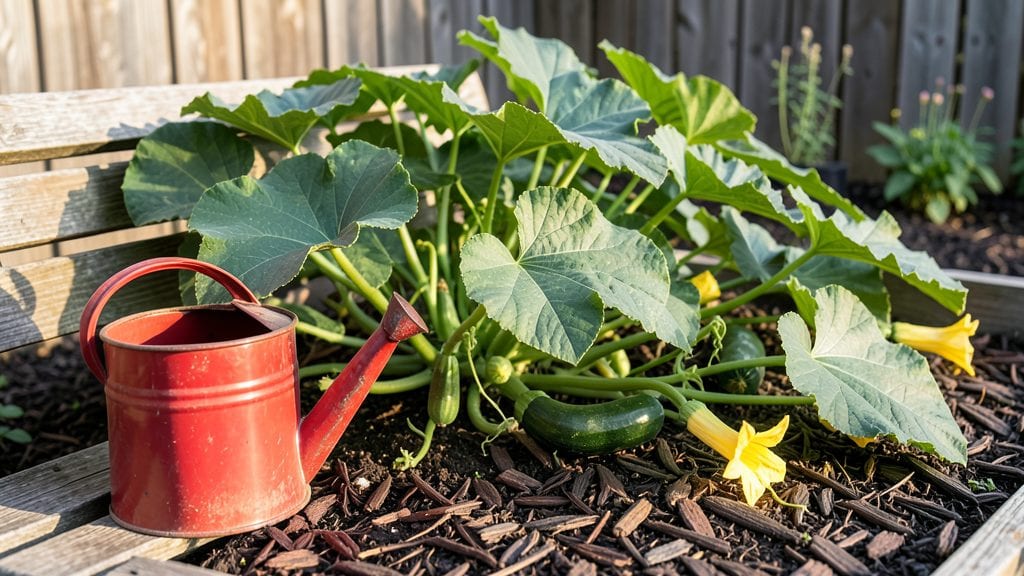
Watering squash plants wrong is how I lost my first garden—wilted vines one minute, rotting roots the next. 🌱 The secret isn’t just how much water they get, but when and how you give it.
Squash vines need deep, consistent moisture to produce those heavy fruits, but too much at once turns their roots into a soggy mess.
Start with 1-2 inches of water per week, delivered directly to the soil—not the leaves. Drip irrigation or soaker hoses work best, keeping the soil evenly damp but never waterlogged. Hand watering is fine if you’re consistent, but aim for morning sessions so leaves dry before evening.
Summer squash (like zucchini) drink more than winter types (like butternut), so adjust based on heat and harvest frequency.
You’ll know you’re nailing it when vines stay firm to the touch and flowers open bright and early. Yellowing leaves or powdery mildew? That’s overwatering or poor airflow. Drooping in the afternoon? Time to water deeper. The goal is happy roots that support those 10-pound fruits without collapsing.
Pro tip: Mulch heavily with straw to lock in moisture and keep soil temps steady. In hot climates, water twice weekly; in cooler ones, once. And always check soil moisture with your finger—if the top inch is dry, it’s time. Trust the plants to tell you what they need.
📚 In This Guide
- What you need
- Instructions
- Tips and common mistakes
- Wrapping up and next steps
What you need
- ● Water source: Hose with adjustable nozzle or watering can (5-gallon capacity recommended for deep watering).
- ○ Drip irrigation system (optional but ideal): Soaker hoses or micro-sprinklers (¼-inch tubing, 10–20 feet per row).
- ● Measuring tool: Rain gauge or trowel (to check soil moisture 1–2 inches deep).
- ● Mulch (highly recommended): Straw, shredded leaves, or black plastic (2–3 inches thick to retain moisture).
- ● Pruning shears: Small, sharp pair for trimming excess vines (if needed).
- ● Well-draining soil: Squash hates soggy roots—amend clay soil with compost or sand if needed.
- ● Sunlight: Full sun (6+ hours daily) for optimal growth.
- ● Spacing: Plant seeds 2–4 feet apart (or hills 3–5 feet apart) to prevent overcrowding.
- ● Time of day: Water in the early morning (6–9 AM) to reduce evaporation and fungal risks.
Step-by-Step instructions for watering squash plants
Here's the foolproof method I use to keep squash vines productive and pest-free.
💧 Step 1: Water Deeply at Planting Time
When you first set out squash seedlings or transplants, give them a thorough soaking—1-2 gallons per plant—to settle the soil around the roots. This prevents air pockets that can strangle young roots. Water slowly at the base, avoiding the leaves to prevent fungal diseases like powdery mildew.
I like to use a soaker hose for this step because it delivers water directly to the roots without wetting the foliage. The soil should feel damp 6-8 inches down after watering. If it's still dry at that depth, keep watering until it's evenly moist.
💧 Step 2: Establish a Consistent Watering Schedule
Squash plants need 1-2 inches of water per week, delivered consistently. I water mine every 2-3 days during hot weather, checking the soil with my finger. Stick your finger 1-2 inches deep—if it feels dry, it's time to water.
Morning is the best time to water because it gives the plants time to dry out during the day, reducing the risk of fungal infections. Avoid watering in the evening, as damp leaves overnight encourage mildew. You'll know your watering routine is right when the soil stays consistently moist but never soggy.
💧 Step 3: Increase Water During Fruiting
Once squash plants start flowering and setting fruit, they need even more water—2-3 inches per week. This is when the vines are working hardest to produce fruit, and they can't do it without steady moisture. I increase my watering to every 1-2 days during peak growing season.
Watch for signs of stress, like wilting leaves or blossoms dropping off. If you see this, give the plants a deep watering immediately. Squash plants are heavy drinkers, so don't skimp—underwatering now means fewer fruits later. Mulch around the base with 2-3 inches of straw to help retain moisture and keep the soil cool.
💧 Step 4: Adjust for Weather and Soil Conditions
If you're dealing with hot, dry weather, you may need to water daily, especially for young plants. On the other hand, if it's been raining, skip scheduled watering and let the soil dry out slightly between showers. Overwatering is just as harmful as underwatering—it leads to root rot and weak vines.
Sandy soil drains quickly, so you'll need to water more frequently, while clay soil holds moisture longer. Amend your soil with compost before planting to improve water retention naturally. You'll know you've got the balance right when your squash plants look lush and green, not wilted or yellowing.
✂️ Step 5: Monitor and Troubleshoot
Keep an eye out for signs of overwatering, like yellowing leaves or mushy stems. If you see these, cut back on watering and improve drainage around the plants. Underwatering shows up as crispy, curled leaves or fruit that doesn't develop properly.
If your squash plants start dropping flowers or fruit, it could be a sign of inconsistent watering—or even too much water. Squash plants need a steady supply, not feast-or-famine cycles. Adjust your schedule based on what you observe, and don't hesitate to give the soil a quick check with your finger before watering.
Tips & tricks for perfect squash vine care
Keeping squash vines happy isn't rocket science, but these small details make all the difference between a thriving harvest and a struggling plant.
The Deep Watering Secret: In Step 1, when you're giving that initial soaking of 1-2 gallons per plant, focus on slow, deep watering. I use a soaker hose set to a gentle flow for about 10 minutes per plant—this ensures water penetrates to those 6-8 inches deep without running off. The goal is to mimic a slow spring rain, which encourages roots to grow downward rather than staying shallow. Trust me on this: shallow roots mean weak plants that can't support heavy fruit.
Morning Watering is Non-Negotiable: The instructions mention morning watering, but here's why it's critical: Wet leaves in the evening create the perfect environment for powdery mildew to take hold. I set a reminder on my phone for 7 AM watering—consistency is key. If you must water in the evening (like during extreme heat), water at the base only and avoid overhead sprinkling completely. The difference in plant health after a week is night-and-day.
Mulch Matters More Than You Think: That 2-3 inches of straw mulch in Step 3 isn't just decorative—it's a game-changer. The mulch acts like a sponge, holding moisture near the roots while preventing soil from drying out between waterings. I always add a fresh layer every few weeks, especially during hot spells. Pro tip: Use straw rather than wood chips, as wood chips can draw moisture away from the soil as they decompose.
Soil Check is Your Best Tool: Before reaching for the hose, always do the finger test mentioned in Step 2. Stick your finger 1-2 inches deep—if it feels dry, water. If it's still moist, wait another day. I've learned this the hard way after ruining three batches by either overwatering or underwatering. The soil should feel like a damp sponge, not a soggy mess or a dry brick. This simple check saves more plants than any fancy irrigation system.
Pro Tips for Watering Squash Plants
- Keeping squash vines happy isn't rocket science, but these small details make all the difference between a thriving h...
- The Deep Watering Secret: In Step 1, when you're giving that initial soaking of 1-2 gallons per plant, focus on slow,...
- Morning Watering is Non-Negotiable: The instructions mention morning watering, but here's why it's critical: Wet leav...
Frequently asked questions
Got questions about keeping your squash plants happy and hydrated?
You’re not alone! Here are answers to the most common queries—from timing tricks to troubleshooting woes.
How often should I water squash plants?
Squash plants need deep, consistent watering—about 1 to 2 inches per week, especially during flowering and fruiting. Water at the base (not the leaves) in the early morning to prevent fungal diseases. Mulch helps retain moisture and keeps roots cool. Adjust for heat: If temps hit 90°F+, water every 2–3 days.
When is the best time of day to water squash?
Water your squash plants between 6–10 AM for best results. This gives foliage time to dry before evening, reducing powdery mildew risk. Avoid watering at dusk or night, as damp leaves invite pests and diseases. Pro tip: Drip irrigation or soaker hoses are ideal—they deliver water slowly and directly to roots.
What happens if I overwater or underwater squash plants?
| Overwatering | Underwatering |
|---|---|
|
|
Fix it:
Check soil moisture 2 inches deep with your finger. Adjust frequency—drought-tolerant varieties (like butternut) need less than zucchini or summer squash.
Can I use rainwater or tap water for squash plants?
Both work! Rainwater is ideal—it’s naturally soft and free of chlorine. If using tap water, let it sit out for 24 hours to dissipate chlorine. Avoid salty or hard water long-term, as it can harm soil structure. For container-grown squash, use filtered or distilled water to prevent mineral buildup.
Why are my squash leaves turning yellow after watering?
Yellow leaves usually signal overwatering, nutrient deficiency, or disease. First, check the soil:
- If soggy → Reduce watering and improve drainage.
- If dry → Increase frequency but water deeply.
- If yellowing is spotted or powdery → It’s likely powdery mildew. Prune affected leaves, space plants for airflow, and apply neem oil or baking soda spray.
Prevent it: Avoid wetting leaves, and rotate plants weekly for even sun exposure.
Wrapping up and next steps
Mastering the art of watering squash plants is your secret weapon for a bountiful harvest—and you’ve got all the tools to succeed! 🌱 From deep watering routines to adjusting for weather, consistency is key.
Whether you’re a seasoned gardener or just starting, every drop counts toward those juicy, vine-ripened squash.
Ready to put your new knowledge into action? Grab your watering can, check your soil, and give those vines the love they deserve! Your future meals (and bragging rights) will thank you.