
Picking
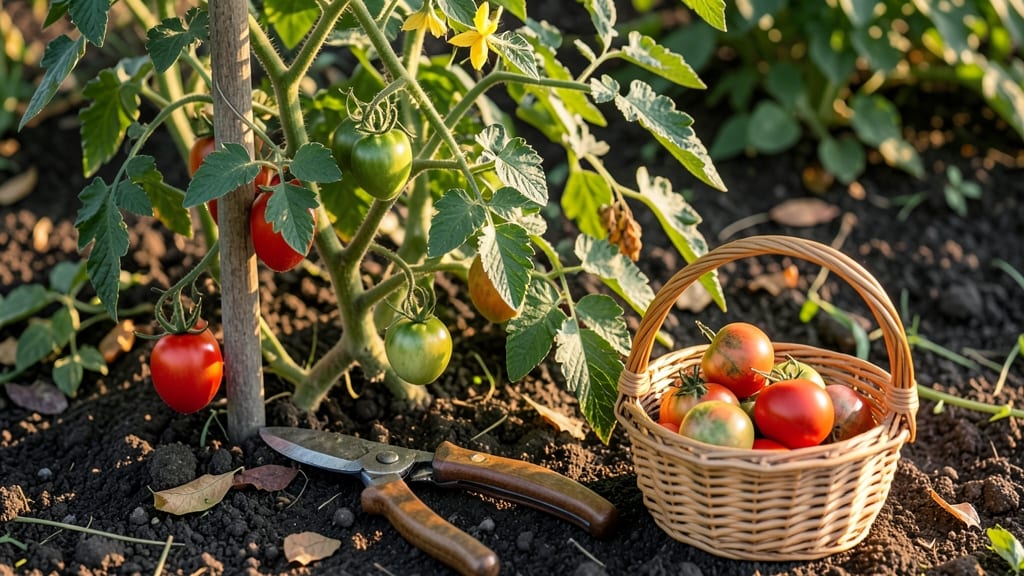
Knowing when to pick a tomato off the plant depends on their variety and intended use: harvest heirloom types when fully colored and slightly soft, while vine-ripened tomatoes should stay on the vine until deep red and fragrant. Green tomatoes can be picked early for cooking or left until frost for ripening indoors.
Timing your tomato harvest is all about balancing ripeness and plant health. 🌱 Different varieties mature at distinct rates—heirlooms often soften first, while hybrid types like Sungolds might need extra vine time to develop their signature sweetness.
The key is checking for color shifts (from green to pink to red) and a slight give when gently squeezed, but never pulling them too early or they won't flavor up properly. For green tomatoes, early picking lets you control ripening indoors using ethylene-producing fruits like bananas or apples.
What's interesting is how temperature plays a role: cooler nights slow ripening, while warm days speed it up. 🌞 This explains why late-season tomatoes sometimes stay green—your local climate might be holding them back.
I always recommend harvesting in the morning when the fruit is coolest, as this reduces bruising and preserves flavor during storage.
💡 In This Article
- Tomato Ripening Stages by Color and Variety
- Best Practices for Harvesting and Storing Tomatoes
Tomato ripening stages by color and variety
Tomatoes go through distinct color phases as they ripen, each marked by biochemical changes. The journey starts with green fruit containing high levels of chlorophyll and starches, which gradually convert to sugars and pigments.
At the breaker stage, you'll see the first hints of color (pink, yellow, or orange) as chlorophyll breaks down and carotenoids like lycopene begin forming. This transition typically takes 7-14 days depending on temperature and sunlight exposure.
The turning stage is where things get exciting—lycopene production ramps up, giving tomatoes their signature red hue. Cherry varieties like Sungold develop a bright orange-red, while beefsteaks turn deep crimson.
Here's where light exposure matters most: full sun (6-8 hours daily) accelerates pigment development, while partial shade can leave tomatoes pale or unevenly colored. The science? Lycopene synthesis requires energy from photosynthesis, which is why shade-grown tomatoes often lack vibrancy.
For pink-stage tomatoes, the fruit is about 80% ripe—perfect for slicing if you're impatient, but still developing flavor. The final red stage is when lycopene reaches its peak (up to 80% of the tomato's color), along with maximum sweetness.
Beefsteaks may take 3-4 weeks longer than cherry tomatoes to reach this point due to their larger size and lower surface-area-to-volume ratio.
Variety matters more than you'd think. Heirloom tomatoes like Brandywine ripen slowly but develop complex flavors, while hybrids such as Early Girl mature faster with consistent quality. The key difference? Heirlooms often need warmer nights (above 70°F) to fully ripen, whereas hybrids can handle cooler temperatures better.
This explains why heirlooms sometimes stay green in northern climates—it's not just about time, but also about the right growing conditions.
Here's what's happening chemically: As tomatoes ripen, their starches convert to sugars (glucose and fructose), while acids like citric acid decrease. The pH rises from 4.0 to 4.5, making them less tart and more sweet.
This is why vine-ripened tomatoes taste dramatically different from those picked green and forced indoors—they develop 2-3x more sugar through natural processes on the vine. 🌿