
Pests
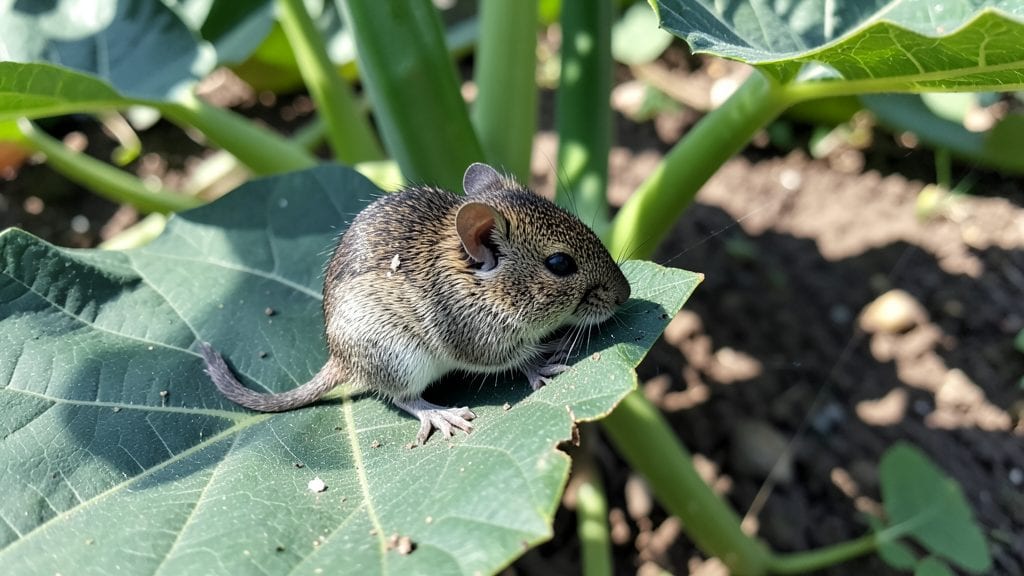
Will deer eat okra plants? Yes—they’ll devour young seedlings and tender leaves, though mature pods are less tempting. Their feeding can cripple growth or strip plants bare, so proactive protection is a must for healthy okra gardens.
Deer are drawn to okra’s soft, nutrient-rich foliage, especially during spring and summer when young plants are most vulnerable. 🌱 The lack of natural toxins in okra makes it an easy target, while mature pods offer less appeal due to their fibrous texture.
I’ve seen entire gardens defoliated overnight, so understanding deer behavior—like their preference for dawn/dusk feeding—helps you strategize deterrents early.
This isn’t just about aesthetics; stunted okra means fewer harvests, and deer often return if they find an easy food source. That’s why combining physical barriers (like tall fencing) with natural repellents (garlic or hot pepper sprays) works best.
The key is consistency—deer learn patterns, so mix up your methods to keep them guessing.
💡 In This Article
- Why Deer Target Okra Plants in Gardens
- Natural and Physical Deterrents for Okra Protection
Why deer target okra plants in gardens
Deer prioritize okra because young plants contain high moisture content (85-90%) and tender tissues rich in nitrogen and sugars—ideal for their diet. 🌱 Unlike mature pods with fibrous walls, seedlings offer easy access to nutrients without resistance.
Studies show deer prefer plants with less than 10% fiber content, and okra foliage fits this profile perfectly in its early stages.
The lack of natural toxins in okra makes it appealing compared to plants like tomato leaves (which contain solanine). Deer also target plants during spring and summer when okra grows rapidly, providing fresh greens.
Their browsing peaks at dawn and dusk when they're most active, which explains why gardeners often wake to chewed okra stems.
Mature okra pods become less attractive due to their woody texture and lower moisture (70-75%). The pods' thick skin and seed development make them harder to digest, but deer will still nibble if other food sources are scarce.
This explains why some gardeners report damage to both leaves and pods during droughts—deer will eat whatever's available.
Seasonal patterns play a role too. In early summer, when okra is just sprouting, deer see it as a high-value food source. By late summer, when pods mature, they lose interest unless other greens are limited.
This is why protective measures work best during the first 6-8 weeks of growth when plants are most vulnerable.
One surprising factor is okra's height. Young plants (under 2 feet) are easier for deer to reach, while taller varieties (over 4 feet) often escape damage. This is why dwarf okra varieties are more frequently targeted in home gardens.
The key takeaway? Deer aren't just random browsers—they follow a strategic feeding pattern based on plant maturity and nutritional value.
Understanding this behavior helps explain why some okra gardens thrive while others get decimated. The difference often comes down to timing and plant selection—choosing taller varieties or implementing early deterrents can make all the difference. 🌿