
Fertilization
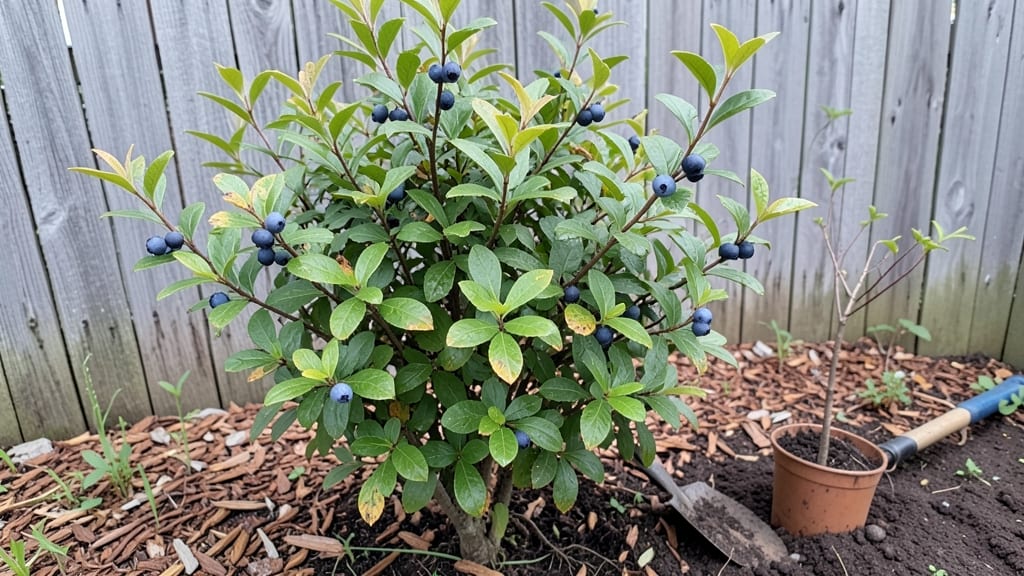
Growing thriving blueberries 🫐 depends on mastering the planting conditions—acidic soil, perfect sunlight, and the right timing to set your bushes up for success.
Struggling to grow blueberries? The secret isn’t just in the seeds—it’s in the conditions. Get the soil pH and sunlight wrong, and even the hardiest bushes will fail to thrive. Here’s exactly what your blueberries need to burst with flavor.
Blueberries thrive in USDA zones 3-9 when planted in late winter to early spring, after the last frost. They demand acidic soil (pH 4.5–5.5) and full sun—at least 6 hours daily—to produce those sweet, vibrant berries you crave.
In this guide, you’ll learn how to prep your soil, choose the right spot, and avoid common mistakes that kill yields. Let’s get those bushes off to the best start!
Optimal soil pH levels for blueberry growth: acidic secrets revealed
Blueberries are famously picky about their soil—too alkaline, and your bushes will struggle to absorb nutrients, leading to stunted growth or no fruit. The magic number? A soil pH between 4.5 and 5.5.
This acidic range isn’t just ideal; it’s essential for unlocking the full potential of your blueberries. Without it, even the hardiest varieties like Rabbiteye or Southern Highbush will produce sparse, flavorless berries. Let’s dive into how to test, adjust, and maintain this critical balance for a bountiful harvest.
Most garden soils naturally lean toward neutral (pH 7) or alkaline, which is a disaster for blueberries. Iron, manganese, and phosphorus—nutrients blueberries crave—become locked away in alkaline soils, starving your plants. That’s why I always test my soil before planting.
A simple pH test kit (available at garden centers for under $10) or a digital soil meter gives you instant answers. If your soil reads above 5.5, don’t panic—we’ll fix it! But if it’s below 4.5, you’ll need to raise the pH gently to avoid shocking your plants.
Here’s the game-changer: organic amendments like sphagnum peat moss, pine needles, or cottonseed meal are my go-to for lowering pH naturally. These materials release organic acids over time, gradually acidifying the soil without harsh chemicals.
For a quicker fix, elemental sulfur (apply 1-2 pounds per 100 square feet) works wonders but requires patience—it can take 2-3 months to adjust pH. Always water thoroughly after amending to activate the process.
For existing blueberry bushes, I recommend retesting soil pH every spring and making small adjustments as needed. Avoid lime or wood ash—these raise pH and will ruin your blueberries.
Instead, stick to acid-loving plant fertilizers (like those labeled for azaleas or rhododendrons) to maintain the perfect pH while feeding your bushes. Think of it like tuning a guitar: small tweaks keep everything in harmony.
Now, let’s talk container gardening, where pH control is even more critical. Potted blueberries dry out faster and leach nutrients quicker, so I use a pre-mixed acidic potting soil (look for "blueberry mix" or "ericaceous" blends).
Add a slow-release acidifier like Aluminum sulfate (follow package rates) to keep pH stable. Pro tip: Leach excess salts every few months by watering until it runs out the drainage holes—this prevents buildup that can raise pH over time.
🌱
If your soil pH is too high (alkaline), the first sign you’ll notice is yellowing leaves, especially on younger growth.
This is your blueberry’s way of screaming, "I can’t get my iron!" To fix it, I work in 2-3 inches of sulfur into the topsoil and water deeply. For low pH (too acidic), symptoms include dark, wilted leaves or poor fruiting.
In this case, I mix in dolomitic lime (sparingly!) or switch to a less acidic amendment like composted leaf mold. The key is patience—soil pH changes gradually, so monitor and adjust incrementally.
For new plantings, I always dig a hole twice as wide as the root ball and amend the backfill soil with 50% native soil and 50% acidic compost. This creates an instant pH-friendly zone for roots to thrive.
After planting, I mulch with pine straw (not wood chips!) to slowly acidify the soil over time. Mulch also retains moisture and regulates temperature, which is a bonus for blueberries that hate stress.
One mistake I’ve seen gardeners make is overdoing it with amendments. Too much sulfur or peat moss can lower pH below 4.0, which is just as harmful as alkaline soil. Always test after amending and wait 2-3 months before retesting.
Think of it like seasoning a dish—a little goes a long way. And remember, blueberries are slow growers; rushing the process can backfire. Give them the right conditions, and they’ll reward you with juicy, sweet berries for decades.
💧
Ready to take action? Grab a pH test kit this weekend, check your soil, and start adjusting. Your blueberries will thank you with bigger yields and richer flavor—and you’ll finally crack the code on growing these finicky shrubs like a pro. Happy gardening!
Sunlight requirements for blueberries: how much light do they really need?
Blueberries are sun-worshippers—they crave full sun to produce their sweetest, most abundant fruit. While they can tolerate partial shade, cutting back on sunlight too much means smaller berries and weaker plants.
The key is understanding how much light your specific variety needs and how to maximize it, especially in urban or shaded gardens.
Most blueberry varieties thrive with 6 to 8 hours of direct sunlight daily. Southern exposure is ideal, but even morning sun with afternoon shade can work in hot climates. The challenge? Many gardeners overlook microclimates—small areas in your yard that get more or less sun than others.
A spot near a fence or under a tree might seem perfect, but it could actually be stealing sunlight from your bushes.
- Full Sun: 6-8 hours of direct sunlight daily for peak fruit production and bush health.
- Partial Shade: 4-6 hours works for northern climates or hot afternoons—but expect smaller yields.
- Urban Hacks: Use reflective surfaces (white walls, mirrors) to bounce extra light onto shaded bushes.
- Signs of Too Little Sun: Leggy growth, fewer flowers, and pale leaves mean your blueberries are light-deprived.
- Dwarf Varieties (like 'Top Hat') need less sun (4-5 hours) but still struggle in deep shade.
If your garden is naturally shady, don’t despair! Container growing lets you move bushes to sunnier spots seasonally. Place pots near south-facing windows or on patios with afternoon sun. Just ensure containers have drainage holes—blueberries hate soggy roots, even in shade.
Watch for yellowing leaves or stunted growth, which often signal insufficient sunlight. Prune nearby trees or shrubs to open up the canopy and let more light filter through.
In extreme cases, consider artificial grow lights (LED full-spectrum bulbs) for indoor blueberry growing, though this is best for small-scale container setups.
Pro tip: Monitor sunlight with a sun calculator app or place a whiteboard in your garden to track how many hours of direct light each spot gets. Adjust your blueberry’s location accordingly—more sun = more berries!
Remember, blueberries are not shade-loving plants like ferns or hostas. They’ll thrive when given the right amount of light, so don’t skimp—your taste buds (and bushes) will thank you. 🌞🫐