
Pests
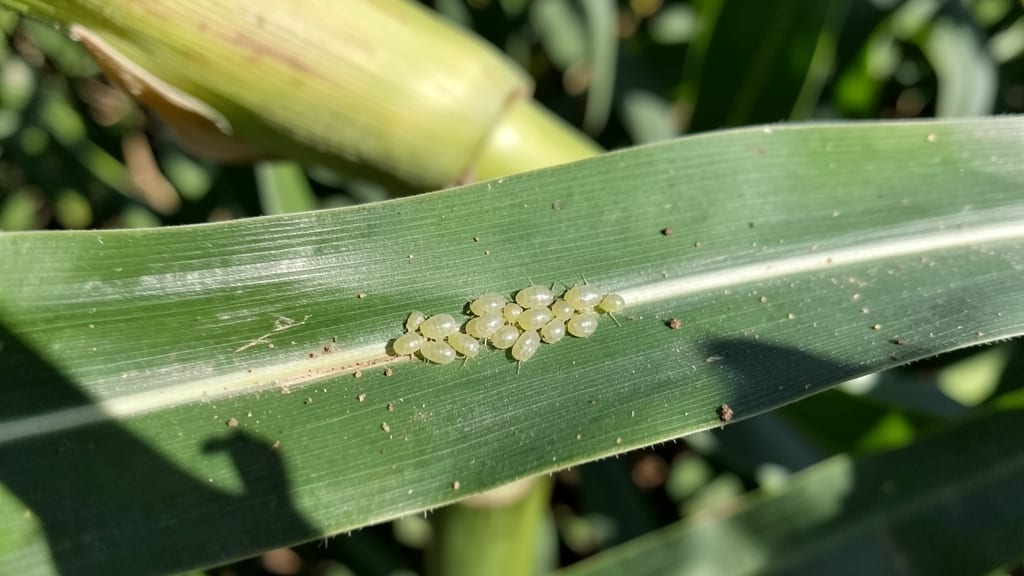
Bugs on corn plants can turn a promising harvest into a chewed-up disappointment. 🌽 I’ve lost entire ears to earworms and watched aphids turn leaves yellow overnight—until I learned the early signs and fast fixes that actually work.
The key isn’t just spraying; it’s catching pests before they multiply, and knowing which bugs to ignore (like harmless sap beetles) versus which ones demand action.
Most damage starts small: tiny holes in leaves, silken webs on husks, or sticky residue from aphids. Corn earworms are the worst culprits—they burrow into ears while still on the stalk, making them nearly invisible until it’s too late.
But with the right traps, timing, and a few organic sprays, you can slash their numbers by 80% before harvest. The secret? Rotating crops, planting early varieties, and letting nature help with beneficial wasps and ladybugs.
By the time you’re pulling back husks to check for worms, you’ll know exactly what to look for—and how to stop it. A few minutes of inspection now saves hours of frustration later.
Plus, your corn will stand tall, ears plump and pest-free, ready for the cob. Here’s how to turn those early warnings into a bountiful harvest.
Works for home gardens, small farms, and even container-grown corn. The same principles apply whether you’re dealing with a single row or an acre. Let’s get those pests under control before they ruin your season.
Root Causes Of Corn Plant Pests
Corn plants, with their lush green leaves and towering stalks, can quickly become a buffet for unwanted critters if conditions align. Understanding why these pests show up—and thrive—is the first step to stopping them before they wreak havoc. Let’s break down the science behind the infestation.
Corn plants under stress are like open invitations to pests. When environmental factors like drought, poor soil nutrition, or extreme temperatures weaken a plant, its natural defenses drop, making it easier for insects to feed, lay eggs, or spread diseases.
- Drought or Overwatering: Corn needs consistent moisture. Too little causes wilting, while too much creates soggy roots—both scenarios stress the plant. Example: European corn borers (a major pest) target weakened stalks, burrowing in to feed on tender tissue.
- Nutrient Deficiencies: Lack of nitrogen, phosphorus, or potassium stunts growth, leaving plants vulnerable. Science note: Nitrogen-deficient corn has softer stems, attracting sap-sucking pests like aphids and corn leaf aphids.
- Temperature Fluctuations: Sudden heatwaves or late frosts disrupt pollination and growth. Result: Stressed plants produce less silk (the female flower part), making them easier targets for corn earworms.
💡 Pro Tip: Test your soil before planting and use mulch to retain moisture and regulate temperature. Healthy soil = healthier plants = fewer pest problems!
Many corn pests have life cycles perfectly timed to coincide with your crop’s development. If you’re not aware of these patterns, you might miss critical windows for intervention.
| Pest | Peak Activity Period | Why It’s Dangerous |
|---|---|---|
| Corn Rootworms | June–August (larvae hatch when corn emerges) | Larvae chew on roots, reducing nutrient uptake. Adults lay eggs in soil, ensuring next year’s infestation. |
| Corn Earworms | July–September (silking stage) | Larvae bore into ears, contaminating kernels with frass (insect waste) and bacteria. |
| Aphids | Spring–Fall (multiple generations per year) | Excrete honeydew, promoting sooty mold and spreading viral diseases like maize dwarf mosaic. |
🔥 Key Insight: Some pests, like the western bean cutworm, are migrating from nearby fields or wild grasses. Monitoring local pest reports (via your extension service) helps predict outbreaks.
Pests love clutter—whether it’s last year’s corn stalks, weed patches, or unmanaged crop residues. These "hotspots" provide shelter, food, and breeding grounds for insects.
- Leftover Crop Debris: Stubs, husks, and fallen ears harbor overwintering pests (e.g., corn borers) and their eggs. Example: The southern corn rootworm’s larvae survive in stubble until planting time.
- Weed Infestations: Weeds like foxtail and pigweed host alternative food sources for pests like fall armyworms, which then move to cornfields.
- Irrigation Practices: Standing water in furrows or ditches attracts mosquitoes and other pests that may carry diseases or serve as prey for corn predators.
🌡️ Action Step: Rotate crops (e.g., plant soybeans after corn) to break pest life cycles. Till or chop residues post-harvest to eliminate hiding spots.
Where you farm—and the local climate—play a huge role in which pests thrive. Some bugs are regional specialists, while others are becoming more widespread due to climate change.
- Warm, Humid Climates: Favor soft-bodied pests like aphids and thrips, which thrive in moist conditions. Example: Corn leaf aphids multiply rapidly in the Southeast U.S.
- Dry, Arid Regions: Attract pests adapted to drought, such as the corn earworm, which lays eggs in dry husks.
- Coastal Areas: Higher humidity and salt spray can stress corn, making it susceptible to fungal pests (e.g., Bipolaris leaf spot) that attract secondary insect feeders.
✨ Climate Watch: Rising temperatures expand the range of pests like the fall armyworm, which is now a threat in the Midwest—where it wasn’t historically common.
Quick Fixes for Corn Plant Pests
Unwanted critters on your corn plants can feel like a losing battle, but with the right approach, you can reclaim your garden and ensure a healthy harvest. Below are practical, step-by-step solutions tailored to common corn pests, from organic remedies to proactive prevention. Let’s tackle these bugs head-on!
Cause: These sneaky caterpillars burrow into ears, causing damage as they feed. Fix: 🔥 Set up pheromone traps before tasseling to disrupt mating. 🍳 Handpick eggs (tiny white clusters) from silks and destroy them. 👨🍳 Apply Bacillus thuringiensis (Bt)—a natural bacteria that kills caterpillars without harming plants or pollinators. 🥘 Cover ears with protective bags (like corn earworm bags) when silks first appear.
Prevention Tip: 💡 Plant early-maturing varieties to harvest before peak earworm season.
Cause: These sap-sucking pests weaken plants, causing yellowing and stunted growth. Fix: 🔥 Blast them off with a strong spray of water (early morning works best). 🍳 Use insecticidal soap (mix 2 tbsp soap + 1 quart water) and spray undersides of leaves. 👨🍳 Introduce beneficial insects like ladybugs or lacewings—they love aphids! 🥘 Apply neem oil (1 tsp oil + 1 quart water + a drop of dish soap) as a deterrent.
Prevention Tip: 🌡️ Interplant corn with marigolds or basil to repel pests naturally.
Cause: These nocturnal munchers chew through stems, toppling young plants. Fix: 🔥 Create collars from cardboard or aluminum foil around stems to block access. 🍳 Handpick at night (use a flashlight—cutworms are easy to spot when active). 👨🍳 Apply diatomaceous earth (food-grade) around the base to dehydrate them. 🥘 Encourage predators like birds and toads by keeping a shallow water source nearby.
Prevention Tip: 🎯 Plant corn after the soil warms (cutworms thrive in cool, damp conditions).
Cause: Larvae feed on roots, stunting growth and reducing yields. Fix: 🔥 Rotate crops—avoid planting corn in the same spot for 3+ years. 🍳 Plant resistant varieties (e.g., Bt corn or varieties labeled "rootworm-resistant"). 👨🍳 Use row covers early in the season to block adult beetles from laying eggs. 🥘 Apply beneficial nematodes (like Heterorhabditis bacteriophora) to target larvae in the soil.
Prevention Tip: ✨ Intercrop with soybeans—rootworms prefer corn but will avoid soybean roots.
For multiple pests, try these all-purpose fixes:
- Diatomaceous earth (sprinkle lightly on soil and leaves—reapply after rain).
- Garlic or chili pepper spray (blend 2 garlic cloves + 1 tbsp cayenne + 1 quart water; strain and spray).
- Reflective mulch (aluminum foil or silver plastic) confuses flying insects.
Pro Tip: 🔥 Inspect plants weekly—early action is the key to preventing outbreaks! Keep your garden healthy with balanced fertilization and proper watering to make plants less appealing to pests.
Need more help? Combine these methods for long-term pest control—your corn will thank you with stronger stalks, sweeter ears, and fewer surprises at harvest time! 🌽✨
Frequently asked questions about corn plant pests
How do I know if my corn plants have earworms before harvest?
Look for silken webs or tiny holes in husks during the silking stage (when tassels appear). Check for frass (black fecal matter) inside ears—this confirms live larvae. Shake plants over a white sheet at dusk; falling caterpillars mean an infestation.
Are aphids harmful to corn, or can I ignore them?
Don’t ignore them! Heavy aphid infestations cause yellowing leaves and stunted growth by sucking plant sap. They also spread viral diseases like maize dwarf mosaic. Knock them off with water or spray insecticidal soap if colonies exceed 100 aphids per leaf.
What’s the best organic solution for cutworms chewing my young corn?
Use cardboard collars (wrap 2-inch strips around stems) or apply diatomaceous earth around the base. For severe cases, handpick at night with a flashlight—cutworms hide near soil but become active after dark.
Can I still eat corn with minor pest damage?
Yes! Remove visibly damaged kernels (like those with frass or holes from earworms). Wash ears thoroughly to eliminate surface contaminants. However, avoid corn with moldy husks or excessive webbing—these may indicate bacterial contamination.
Why do some corn varieties seem pest-resistant?
Breeders develop Bt corn (genetically modified to produce Bacillus thuringiensis) or hybrids with natural resistance like tougher husks or ear wax. These traits disrupt pest life cycles—earworms can’t penetrate waxy coatings, and borers struggle with fibrous stalks.