
Plants
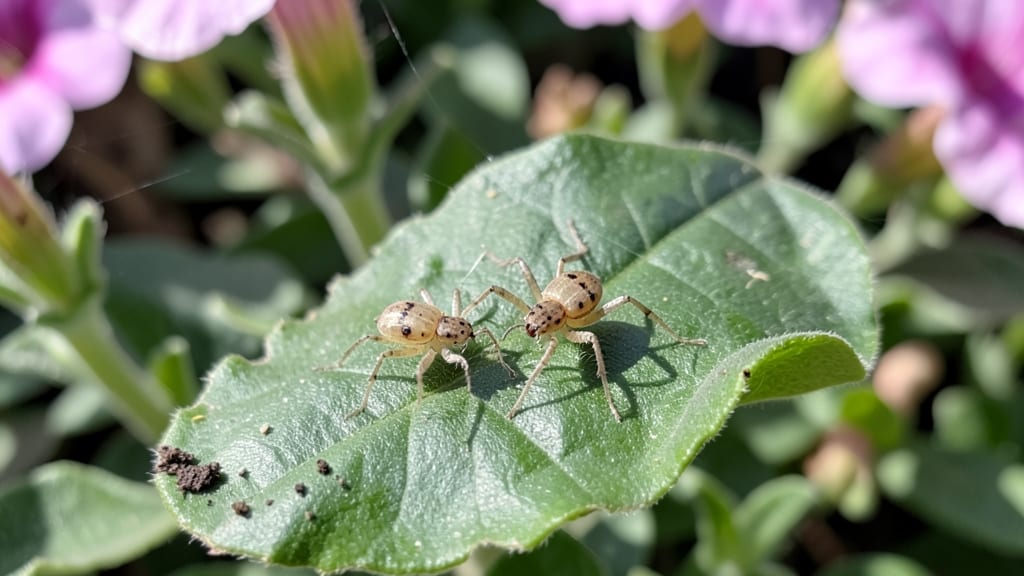
Bugs on petunia plants can turn vibrant blooms into a sad, skeleton-like mess in days. 🌿 I’ve watched my petunias go from showstopper to sad in a week when aphids or spider mites moved in, and I’ll show you exactly how to spot them early—before they ruin your season.
The worst offenders are tiny but destructive: aphids cluster on new growth, spider mites weave webs on undersides, and whiteflies flutter like snowflakes when you shake the plant. Most gardeners wait until the damage is obvious, but these pests spread faster than you think—especially in hot, dry weather.
The good news? A quick inspection with a magnifying glass (or even a phone camera) can catch them before they become a full-blown infestation.
You’ll learn to crush them with soapy water sprays, neem oil treatments, and beneficial insects—no harsh chemicals needed. My petunias now bounce back in 24-48 hours after treatment, and the blooms stay lush all season. The key is acting fast and keeping your garden clean.
Works for container petunias, hanging baskets, or in-ground beds—no matter where your plants live, these methods keep pests in check. Let’s get those bugs off your petunias for good.
Root Causes Behind Pest Attacks
Petunias are vibrant, low-maintenance favorites—but their lush foliage and sweet nectar make them a magnet for pests. Understanding why these critters target your plants is half the battle in keeping them at bay. Below, we break down the real reasons bugs invade petunias, from environmental triggers to plant vulnerabilities.
🌱 Weakened Plant Health Invites Trouble
Stressed petunias are like an all-you-can-eat buffet for pests. When your plants are nutrient-deficient, overwatered, or diseased, their natural defenses weaken, making them prime targets. Here’s how it plays out:
- Nitrogen deficiency: Yellowing leaves signal a lack of nitrogen, which reduces sap sweetness—but pests like aphids and whiteflies actually prefer stressed plants because their reduced sugar content triggers a survival response in the bugs. Think of it as a "desperation snack" for them.
- Overwatering: Soggy soil creates the perfect breeding ground for fungus gnats and slugs. These pests thrive in moist, decaying organic matter, often lurking in the soil before emerging to feast on petunia roots or leaves.
- Fungal or bacterial infections: Spots, wilting, or mold (like powdery mildew) signal a compromised plant. Pests like spider mites and thrips exploit these weak spots, as the damaged tissue is easier to penetrate and digest.
Pro tip: 💡 Healthy plants repel pests naturally. Prioritize balanced fertilization (10-10-10 NPK ratio), proper drainage, and spacing to reduce humidity around foliage.
🌿 Ideal Petunia Traits Attract Pests
Petunias aren’t just pretty—they’re pest magnets due to their biology. Their sticky, fragrant flowers and soft leaves are designed to attract pollinators… but also pests. Here’s why:
| Plant Feature | Why Pests Love It | Common Culprits |
|---|---|---|
| Sticky nectar | Sugary secretions trap aphids and whiteflies, which feed on the sap and excrete honeydew—a sticky mess that attracts ants and sooty mold. | Aphids, whiteflies, mealybugs |
| Soft, fuzzy leaves | Thin leaf surfaces are easy for piercing-sucking pests to penetrate, while fuzzy textures provide hiding spots for mite eggs. | Spider mites, thrips |
| Bright, fragrant blooms | Floral scents lure pollinators—and their predators, like beetles and earwigs, which may munch on petals or leaves. | Japanese beetles, earwigs |
Actionable fix: 🎯 Prune spent blooms regularly to reduce pest "hotspots," and choose double-flowered varieties (like 'Wave' petunias) sparingly—they’re more prone to pest buildup due to their dense growth.
🌍 Environmental Conditions Create Pest Havens
Pests don’t just choose petunias—they’re drawn by the perfect storm of conditions you might unknowingly provide. Here’s how your garden’s microclimate becomes a pest paradise:
- Warm, humid climates: Temperatures above 75°F (24°C) accelerate pest reproduction rates. Whiteflies and spider mites thrive in heat, while slugs and snails seek out damp, shaded areas under petunias.
- Poor airflow: Crowded plants or those planted too close to fences/walls create stagnant air, trapping humidity and pest populations. Powdery mildew (a fungal pest magnet) flourishes here, too.
- Nearby pest reservoirs: Weeds, compost piles, or other infested plants act as bug buffets. For example, aphids on nearby roses will migrate to petunias when their original host declines.
Quick fix: ✨ Space plants 12–18 inches apart and water at the base (not overhead) to reduce humidity. Add reflective mulch (like aluminum foil) around the base to deter crawling pests.
🐛 Natural Pest Life Cycles Sync with Petunias
Some pests have evolved to target petunias specifically because they’re seasonal hosts. Timing is everything:
- Early season (spring): Cabbage loopers and cutworms emerge as petunia seedlings sprout. These caterpillars chew on young leaves, often severing stems at the base.
- Mid-season (summer): Japanese beetles and tomato hornworms peak when petunias are in full bloom. Their voracious appetites can defoliate plants in days.
- Late season (fall): Mealybugs and scale insects move in as temperatures drop, laying winter-hardy eggs on petunia stems to hatch in spring.
Strategic defense: 🔥 Monitor petunias weekly and remove spent blooms to disrupt pest life cycles. Introduce beneficial nematodes in early fall to target soil-dwelling pests before they overwinter.
Fixing Pest Problems Fast
Now that you’ve identified the culprits behind those unwanted visitors on your petunia plants, it’s time to take action! Below are targeted solutions for each common pest, along with preventive tips to keep your blooms thriving.
These methods are easy to implement, whether you’re a seasoned gardener or just starting out.
Aphids are soft-bodied pests that cluster on new growth and undersides of leaves. Here’s how to eliminate them quickly:
🔥 Immediate Action:
- Blast them off with a strong stream of water from your hose. This removes aphids physically and disrupts their colonies.
- Crush clusters by hand (wear gloves if you’re squeamish!). Aphids are fragile, and squishing them reduces their numbers fast.
🍳 Natural Sprays (Safe for Petunias):
- Soap spray: Mix 1 tbsp mild liquid soap (like Castile soap) with 1 quart water. Spray directly on aphids until leaves are wet. Repeat every 3–4 days until gone.
- Neem oil solution: Combine 1 tbsp neem oil, 1 tsp mild soap, and 1 quart water. Shake well and spray early in the morning (avoid direct sunlight). Neem oil disrupts their life cycle and deters future infestations.
👨🍳 Long-Term Prevention:
- Encourage natural predators: Ladybugs, lacewings, and parasitic wasps love aphids. Plant marigolds, dill, or fennel nearby to attract them.
- Inspect new plants: Quarantine newly purchased petunias for 1–2 weeks before adding them to your garden.
- Remove infested leaves: If aphids are severe, prune and dispose of heavily infected foliage in the trash (not compost).
Tiny but destructive, spider mites thrive in dry, dusty conditions and suck plant sap, causing yellowing leaves and webbing. Here’s how to smother them:
🔪 Direct Removal:
- Wipe leaves with a damp cloth to remove webbing and mites. Do this every 2–3 days for a week.
- Blow mites off with a leaf blower or compressed air (works great for dense foliage).
🥘 Organic Treatments:
- Water blast: Spider mites hate humidity. Give your petunias a gentle shower every 2–3 days to wash them away.
- Horticultural oil: Mix 2 tbsp horticultural oil with 1 gallon water and spray evenly on both leaf sides. Reapply every 5–7 days for 2 weeks.
- Diatomaceous earth (DE): Sprinkle food-grade DE lightly on leaves (avoid overapplying—it can harm plants). DE dehydrates mites but loses effectiveness when wet.
⏰ Prevention Tips:
- Keep plants hydrated: Spider mites love drought. Water deeply 2–3 times per week during dry spells.
- Reduce dust: Dusty leaves attract mites. Rinse leaves occasionally with water.
- Use reflective mulch: Silver or white mulch confuses mites and reduces their numbers.
Whiteflies are tiny, winged pests that flutter above leaves and excrete sticky honeydew. They’re tricky but manageable with traps and smothering techniques.
🕵️♂️ Trap Them First:
- Yellow sticky traps: Hang yellow cards coated with petroleum jelly near your petunias. Whiteflies are drawn to yellow and get stuck.
- Blue tack traps: Place blue sticky traps upside down under leaves to catch adults.
🌡️ Suffocation Methods:
- Cover plants with a fine mesh: Use floating row covers for 1–2 weeks to starve existing adults and block new ones.
- Insecticidal soap: Spray a stronger solution (2 tbsp soap per quart water) directly on undersides of leaves where they hide.
🎯 Long-Term Control:
- Rotate plants: Move petunias every few weeks to disrupt whitefly cycles.
- Avoid over-fertilizing: Too much nitrogen attracts whiteflies. Use a balanced fertilizer (10-10-10).
- Introduce beneficial wasps: Encarsia formosa (a parasitic wasp) feasts on whiteflies. Ask your local nursery for them!
Earwigs are nocturnal critters that chew petunia petals and leaves, leaving ragged holes. They’re easy to exclude and deter:
🏠 Physical Barriers:
- Copper tape: Wrap copper tape around pots or garden beds—earwigs hate the electric shock it gives off.
- Diatomaceous earth: Create a 1-inch barrier around plant bases to dehydrate crawling pests.
🍎 Natural Repellents:
- Crushed garlic or chili pepper spray: Blend 3 garlic cloves + 1 tbsp cayenne pepper in 1 quart water. Strain and spray around plants.
- Dry petunia petals: Place crushed dried petunia flowers near plants—they repel earwigs naturally.
🌙 Nighttime Patrols:
- Shake plants at dusk: Earwigs hide in mulch and debris. Gently shake plants to dislodge them.
- Remove hiding spots: Clear leaves, rocks, and boards near your garden to eliminate earwig habitats.
These slimy invaders leave large, irregular holes in petunia leaves and flowers. They’re nighttime raiders, so you’ll need strategic traps:
🍺 Beer Traps (Yes, Really!):
- Bury a small container (like a yogurt cup) rim-side up near plants. Fill with beer or stale ale. Slugs and snails crawl in and drown.
- Pro tip: Use grain alcohol (like vodka) for a stronger lure.
🥗 Copper Moats:
- Place copper tape or wire around pots. When slugs touch it, they get a mild electric shock and retreat.
🌡️ Natural Deterrents:
- Crushed eggshells or coffee grounds: Sprinkle around plants to create a physical barrier.
- Diatomaceous earth: Forms a sharp, drying line that slugs avoid.
✨ Prevention:
- Water in the morning: Slugs are most active at night. Watering early reduces humidity in their favorite hiding spots.
- Remove mulch at night: Slugs love damp mulch. Pull it back after sunset to expose them.
💡 Final Pro Tip: Rotate your pest control methods to prevent resistance.
If one treatment stops working, switch to a different approach (e.g., if soap spray fails, try neem oil next). Healthy plants resist pests better, so prune regularly, fertilize lightly, and keep leaves dry to stay one step ahead!
Frequently asked questions
What are the most common bugs that attack petunia plants?
The top culprits include aphids (tiny green/black clusters on new growth), spider mites (visible webbing on undersides), whiteflies (tiny white moths fluttering when disturbed), earwigs (chewed petals at night), and slugs/snails (large irregular holes). Each leaves distinct damage clues—check leaves and stems carefully.
How do I tell if my petunias have spider mites vs. aphids?
Spider mites create fine webbing between leaves and cause yellow stippling, while aphids leave sticky honeydew and curled new growth. Hold a white sheet under leaves and shake—aphids fall as tiny green/black dots, while mites stay hidden in webs. Use a magnifying glass for confirmation.
Can I use store-bought insecticide on petunias?
Most chemical insecticides are too harsh for petunias and can damage blooms. Opt for neem oil or insecticidal soap (mix 1 tbsp mild soap with 1 quart water) instead. For severe cases, use pyrethrin-based sprays (like Safer®) sparingly—always test on one leaf first.
Why do my petunias keep getting pests even after treatment?
Pests often return due to hidden eggs or new infestations from nearby plants. Treat every 5–7 days for 2 weeks to break life cycles, and inspect undersides of leaves where eggs hide. Also check for overwatering or crowded plants, which attract pests.
Are there petunia varieties that resist bugs better?
Yes! Single-flowered varieties (like 'Wave Purple') have fewer hiding spots for pests than double-flowered types. Also try petunia hybrids with built-in resistance, such as 'Supertunia' or 'Easy Wave,' which are bred to tolerate common pests better. Always quarantine new plants for 1–2 weeks before planting.