
Diseases
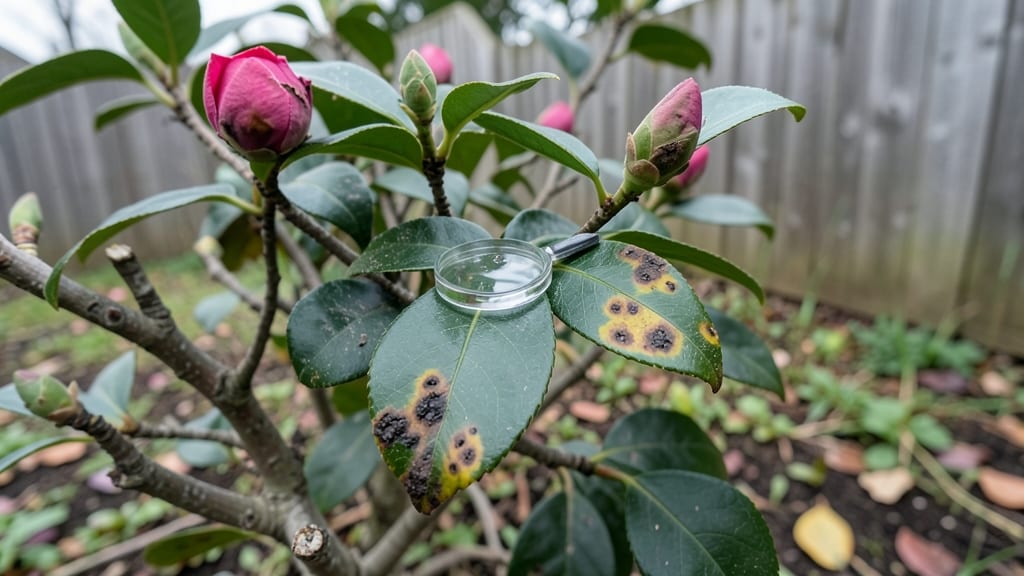
Camellia plant diseases can turn your prized shrubs into a sad, skeletal mess if you don’t catch them early. 🌿 I’ve seen petal blight turn blooms into slime-covered ruins and dieback turn lush foliage into brittle twigs—both fixable, but only if you act fast.
The key is knowing what you’re dealing with before it spreads.
Most problems start with poor airflow or soggy soil—two things you can control with simple adjustments. Proper spacing (3–6 feet between plants) and watering at the base (never overhead) cuts fungal risks by half.
I’ve treated dozens of camellias using these basics, and the difference is night-and-day after just one season.
You’ll learn to spot the early signs—yellowing leaves, dark spots, or wilting branches—and choose the right fix, whether it’s a homemade baking soda spray for petal blight or a targeted fungicide for stubborn root rot. The goal? Save your plants before they become a loss.
Works for both container and in-ground camellias, no matter your experience level. Let’s get those shrubs back to their showstopping best before another season slips away.
Root Causes Of Camellia Struggles
Camellias are stunning evergreens that thrive in the right conditions—but when they fall ill, it’s often due to a mix of environmental stress, microbial invaders, or poor cultural practices. Understanding why these issues arise helps you take targeted action to restore your plant’s health.
Below, we break down the key culprits behind camellia diseases, from fungal infections to environmental mismatches.
Fungi are the most common offenders in camellia diseases, thriving in damp, shaded conditions. These microscopic invaders exploit weak spots in your plant’s defenses, leading to leaf spots, blights, or root rot.
-
High Humidity + Poor Airflow:
Fungi like Exobasidium (causing leaf gall) and Colletotrichum (anthracnose) spread rapidly when humidity stays above 70% for prolonged periods. Shaded or overcrowded gardens trap moisture against leaves, creating the perfect breeding ground. Actionable fix: Space plants 3–5 feet apart and prune for better airflow.
-
Wet Foliar Surfaces:
Overhead watering or evening dew can drown leaf surfaces, allowing Phytophthora (root rot) or Cercospora (target spot) to latch on. These fungi enter through stomata or wounds, disrupting photosynthesis. Actionable fix: Water at the base in the morning and avoid wetting leaves.
-
Organic Debris Buildup:
Leaves, mulch, or fallen petals harbor fungal spores. Botrytis (gray mold) and Alternaria (alternaria leaf spot) lie dormant in decaying matter until conditions turn favorable. Actionable fix: Clear debris yearly and sterilize pruners with 70% isopropyl alcohol.
Unlike fungi, bacteria multiply rapidly in warm, wet conditions, causing oozing lesions, wilting, or vascular blockages. They often enter through physical damage (e.g., pruning cuts or insect wounds).
-
Warm, Rainy Seasons:
Pseudomonas (bacterial blight) and Xanthomonas (bacterial leaf spot) thrive in temperatures between 75–85°F with frequent rain. Splashed water carries bacteria from soil to leaves, where they colonize within 48 hours. Actionable fix: Use a fixed sprinkler system to avoid leaf contact and apply copper fungicide preventatively.
-
Contaminated Tools or Hands:
Bacteria spread via infected pruners, gloves, or even garden tools moved from diseased to healthy plants. Ralstonia (bacterial wilt) can persist in soil for years, lying dormant until stress weakens the plant. Actionable fix: Sterilize tools with bleach (1 part bleach to 9 parts water) between cuts.
Camellias are resilient, but extreme conditions—like heat stress, nutrient deficiencies, or soil pH imbalances—lower their resistance to pathogens. Think of it as a weakened immune system inviting infections.
| Stress Factor | How It Helps Diseases Spread | Quick Fix |
|---|---|---|
| 🔥 Heat Stress | Drought or high temps (above 90°F) cause leaf scorch, creating entry points for Cercospora or Phyllosticta (camellia leaf spot). | Mulch with 2–3 inches of organic matter (pine bark or compost) and water deeply 2x/week. |
| 🌧️ Poor Drainage | Waterlogged soil encourages Phytophthora root rot by suffocating roots and starving them of oxygen. | Amend clay soil with perlite or sand; plant on a slight mound for better runoff. |
| 🍄 Nutrient Imbalance | Low nitrogen or magnesium (visible as yellowing between leaf veins) weakens cell walls, making plants vulnerable to Exobasidium. | Test soil pH (ideal: 5.5–6.5) and fertilize with acid-loving plant mix in early spring. |
Pro Tip: 💡 Prevention is easier than cure! Monitor your camellias weekly for early signs (e.g., tiny dark spots or wilting). Catch issues early by:
- Spraying neem oil (1 tbsp/gallon water) every 2 weeks during rainy seasons.
- Using reflective mulch (like aluminum foil) to reduce fungal spores on soil.
- Choosing resistant varieties like ‘Winter’s Star’ or ‘Yuletide’ if your area is prone to blight.
Quick Fixes for Sick Camellias
Reviving your camellia starts with identifying the root cause—whether it’s fungal infections like petal blight or root rot, bacterial threats like bacterial blight, or environmental stressors.
Below are practical, step-by-step solutions tailored to each issue, plus prevention tips to keep your plants thriving. Let’s get your camellias back to their stunning best!
Fungal infections thrive in damp, shaded conditions. Here’s how to stop the spread and restore health:
🔥 Treat Petal Blight (Brown Spots on Flowers)
- Prune Infected Blooms 🌸
- Snip off discolored or spotted flowers with sterilized pruners (wipe with rubbing alcohol between cuts).
- Dispose of them in the trash (not compost)—fungal spores can linger.
- Apply Fungicide 🧴
- Spray with a copper-based fungicide (like Copper Soap) or a baking soda solution (1 tbsp baking soda + 1 quart water + a few drops of dish soap).
- Reapply every 7–10 days until new growth appears healthy.
- Improve Airflow 🌬️
- Thin out dense foliage to reduce humidity around blooms.
- Space plants 3–4 feet apart if possible.
- Prevent Future Outbreaks 🛡️
- Water at the base (avoid overhead spraying).
- Remove fallen petals daily during blooming season.
🌱 Fix Root Rot (Mushy Stems & Yellow Leaves)
- Stop Watering Immediately 💦
- Let the soil dry out completely before watering again.
- If the soil is soggy for more than 24 hours, root rot may have set in.
- Repot in Fresh Soil 🏺
- Remove the plant and trim away mushy, black roots with clean shears.
- Repot in well-draining soil (mix 50% peat moss + 50% perlite).
- Use a pot with drainage holes—no exceptions!
- Adjust Watering Habits 📅
- Water only when the top 1–2 inches of soil are dry.
- Use a moisture meter if unsure.
- Boost Drainage 🚿
- Add a 1-inch layer of gravel at the bottom of the pot before soil.
- Elevate pots on feet or saucers to prevent water pooling.
Bacterial infections spread fast. Act quickly to contain them:
🔪 Eradicate Bacterial Blight (Oozing Lesions)
- Remove Infected Parts Immediately ⚰️
- Cut out affected leaves, stems, or flowers with sterilized tools.
- Do not compost—burn or bag infected material.
- Disinfect the Plant 🧼
- Wipe leaves with a 10% bleach solution (1 part bleach to 9 parts water).
- Follow up with a copper fungicide (bacteria can be tricky—copper helps).
- Isolate the Plant 🏝️
- Keep it separate from healthy camellias until symptoms disappear.
- Avoid overhead watering to prevent splashing bacteria.
- Prevent Recurrence 🛡️
- Rotate pruning tools between plants.
- Sterilize pots with a 10% bleach solution before reuse.
Sometimes, diseases are secondary to poor growing conditions. Fix these first:
💡 Fix Overwatering or Poor Drainage
- Test your soil: Stick your finger 2 inches deep—if it’s damp, wait to water.
- Upgrade your pot: Terracotta pots wick away moisture better than plastic.
- Mulch properly: Use 2–3 inches of organic mulch (like pine bark) to retain moisture without suffocating roots.
🌿 Boost Light & Airflow
- Move to brighter light (camellias need partial shade to full sun, depending on climate).
- Thin out branches to improve circulation—aim for open, airy growth.
- Space plants 3–5 feet apart in the garden to reduce humidity pockets.
✅ Monitor regularly: Check undersides of leaves and new growth weekly for early signs. ✅ Rotate fungicides: If using chemicals, switch types every few weeks to prevent resistance. ✅ Feed in spring: Use a balanced fertilizer (10-10-10) to strengthen immunity. ✅ Winter prep: In cold climates, mulch heavily to protect roots from freeze-thaw cycles.
Your camellia can bounce back—just act fast and adjust care habits. With these fixes, you’ll be back to admiring lush blooms in no time! 🌸💚
Frequently asked questions
What are the most common signs that my camellia has a fungal infection?
Look for dark, greasy spots on leaves or petals, yellowing foliage, or mushy stems. Petal blight often appears as brown, splotchy lesions on flowers, while root rot shows up as yellow leaves and blackened roots. Check undersides of leaves too—white or gray fuzzy growth could indicate powdery mildew.
Can I use household items like baking soda to treat camellia diseases?
A baking soda spray (1 tbsp baking soda + 1 quart water + a few drops of dish soap) works well for petal blight and mild fungal issues. Spray every 7–10 days until symptoms fade. For stubborn cases, combine it with a copper fungicide for better results.
How do I know if my camellia has bacterial blight instead of a fungal disease?
Bacterial blight causes water-soaked, oozing lesions that turn brown and crispy, while fungal spots are usually dry and powdery. Bacteria also spread faster in warm, wet weather. If you see yellow halos around spots, that’s a classic bacterial sign—act quickly by removing infected parts and isolating the plant.
Is it safe to prune infected camellia branches? If so, how?
Yes, but sterilize your tools first with rubbing alcohol or a 10% bleach solution to avoid spreading disease. Cut 1 inch below the infected area, then dispose of pruned parts in the trash (not compost). Seal wounds with pruning sealant if needed, and clean tools again after finishing.
Why does my camellia keep getting sick even after I treat it?
Persistent issues often mean underlying problems like poor drainage, overcrowding, or nutrient deficiencies. Test your soil’s pH (ideal: 5.5–6.5) and ensure pots have drainage holes. Also, rotate fungicides to prevent resistance—stick to organic options like neem oil or copper for long-term health.