
Flowers
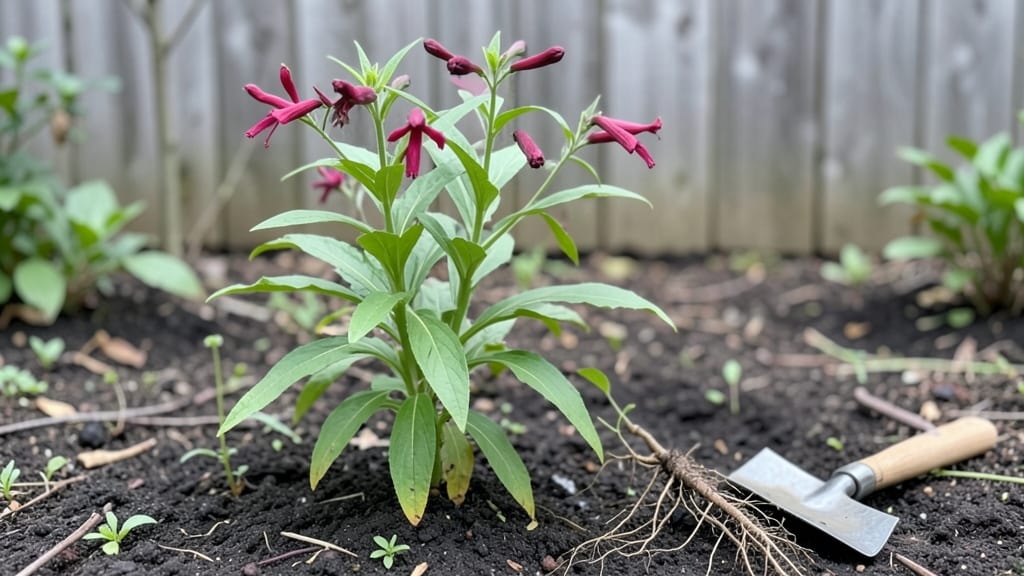
The cardinal flower planting season starts when soil warms to 50°F—that bright red spike you’ve been eyeing thrives in moist, rich soil where hummingbirds can’t resist.
I planted mine last spring, and by July, the garden was alive with darting wings and a vertical waterfall of blooms that lasted until frost. The secret isn’t just the timing; it’s getting the soil right and giving them the space to stretch their roots deep.
You’ll need a spot with 6+ hours of sun and soil that stays consistently damp (think woodland edge, not desert). Dig in a handful of compost before planting, and space seedlings 12–18 inches apart—they’ll grow 3–5 feet tall, so crowding leads to floppy stems and fewer blooms.
Water deeply after planting, then keep the soil moist but not soggy; these plants love their toes wet but hate drowning.
By midsummer, you’ll have a hummingbird magnet that outshines anything else in the garden. The blooms stay vibrant for weeks, and the foliage adds lush green contrast to borders or pond edges.
Pair them with asters or bee balm for a late-season pollinator party, or let them anchor a shady woodland garden where their red pops against ferns and hostas.
Fair warning: they self-seed aggressively, so deadhead spent blooms if you want to control where they pop up next year. But honestly? That’s half the fun—waking up to surprise seedlings in unexpected spots. Once established, they’re nearly maintenance-free and come back stronger every season.
📚 In This Guide
- What you need
- Instructions
- Tips and common mistakes
- Wrapping up and next steps
What you need
- ● Cardinal flower seeds or young plants: 3–5 plants per 100 sq. ft. for a lush display (or 10–20 seeds per plant if starting from seed). Choose organic or heirloom varieties for best results.
- ● Well-draining potting mix: 1 bag (50 lbs) of high-quality garden soil blended with 20% perlite or compost to improve moisture retention.
- ● Container or garden bed: For containers: 1–2 large pots (12–18 inches deep) with drainage holes.
- ● For garden beds: A partially shaded spot with 6+ hours of indirect sunlight and moist, acidic soil (pH 5.0–6.5).
- ● Watering can or hose with a gentle spray nozzle: Cardinal flowers love moisture—aim for 1–2 inches of water per week.
- ○ Mulch (optional but recommended): 1–2 inches of pine bark or shredded leaves to retain soil moisture and suppress weeds.
- ● Garden trowel or hand shovel: For transplanting seedlings or digging holes (6–8 inches deep).
- ● Pruning shears: To trim dead blooms and encourage continuous flowering.
- ○ Gloves (optional): Lobelia leaves can be slightly prickly—protect your hands!
- ○ pH testing kit (optional): Ensure your soil is acidic (aim for 5.0–6.5).
- ● 🌡️ Timing matters: Plant seeds indoors 8–10 weeks before last frost or transplant young plants in spring or early summer.
- ● ✨ Hummingbird magnet: Pair with bee balm or penstemon to create a pollinator paradise!
Step-by-Step guide to planting cardinal flower for stunning summer blooms
Here’s how to grow this showstopper—hummingbirds will visit within weeks if you follow these simple steps.
Choose the Perfect Location for Cardinal Flower
Cardinal flower thrives in partial shade to full sun, but the best blooms come from 4-6 hours of morning sunlight followed by afternoon shade. I plant mine along the eastern edge of my garden where they get gentle morning rays but escape the harsh afternoon heat. Avoid deep shade—this plant needs light to fuel its dramatic red spikes.
Check your spot’s moisture level before planting. Cardinal flower demands consistently moist soil—dry conditions cause wilted leaves and sparse blooms. If your soil drains too quickly, amend it with 2 inches of compost mixed into the top 12 inches of soil. This ensures water retention while preventing root rot.
Prepare the Soil for Healthy Root Growth
Dig a hole twice as wide as the plant’s root ball but only as deep as the container it came in. Loosen the sides of the hole with a garden fork to encourage roots to spread outward. Cardinal flower prefers rich, slightly acidic soil (pH 6.0–7.0), so work in 1 cup of peat moss or 2 cups of well-rotted compost into the bottom of the hole.
Mix the amended soil with the native dirt to create a loose, crumbly texture—this prevents compaction around the roots. Avoid garden soil alone; it’s too dense and lacks the organic matter cardinal flower craves. If your soil is heavy clay, add 1 part perlite to every 3 parts soil to improve drainage.
Plant and Water for Immediate Establishment
Gently remove the plant from its container and place it in the hole so the top of the root ball sits level with the surrounding soil. Press the soil lightly around the roots to eliminate air pockets, then water deeply—about 1 gallon per plant—to settle everything. The soil should feel damp 2 inches down after watering; if it’s soggy, your hole is too deep.
Mulch around the base with 2 inches of shredded bark or leaf mold, keeping it 3 inches away from the stem to prevent rot. This mulch layer locks in moisture and keeps roots cool during summer heat. Water again in 3-4 days to encourage roots to explore the soil. Overwatering now will drown the plant—let the top 1 inch of soil dry between waterings after planting.
Maintain Moisture and Fertility for Continuous Blooms
Cardinal flower blooms best with consistent moisture, so water 2-3 times per week during dry spells, aiming for 1-2 gallons per plant each time. You’ll know it’s thirsty when the leaves droop slightly—this plant wilted easily in my first attempt, but I learned to check soil moisture daily in summer. Aim to keep the soil evenly damp but not waterlogged.
Fertilize lightly in early spring with a balanced 10-10-10 fertilizer (follow package rates) to support new growth. Avoid high-nitrogen feeds—this encourages leafy growth at the expense of those stunning red flowers. Deadhead spent blooms by cutting back 2 inches above the nearest leaf to encourage a second flush of flowers later in summer.
Divide and Protect for Long-Term Success
Every 3-4 years, cardinal flower forms dense clumps that need dividing to maintain vigor. Dig up the entire plant in early spring before new growth appears, then separate it into sections with 3-4 stems each. Replant the divisions immediately, spacing them 18-24 inches apart. This prevents overcrowding and ensures strong blooms.
In cold climates, protect plants with 2-3 inches of mulch in winter. Cardinal flower is hardy to USDA Zone 3, but young plants benefit from winter insulation. I’ve seen hummingbirds return to the same plants year after year—proof that with proper care, this beauty becomes a garden staple.
Tips & tricks for perfect cardinal flower planting
A few simple strategies will help you grow cardinal flower that thrives and blooms spectacularly all summer long.
Location is Everything: The 4-6 hours of morning sunlight mentioned in Step 1 is non-negotiable for vibrant blooms. I've found that planting along a north-facing fence or under tall trees that provide afternoon shade creates the perfect microclimate. If you notice leaves scorching in afternoon sun, move plants to a slightly shadier spot immediately—they'll recover but may produce fewer flowers.
Soil Preparation Secret: When amending the soil in Step 2, I recommend mixing in the 2 inches of compost and 1 cup of peat moss directly into the hole rather than spreading it around the perimeter. This creates a nutrient-rich zone exactly where the roots will grow. For clay soil, I've had great success adding perlite in a 1:3 ratio—this prevents the roots from suffocating while still retaining enough moisture for those thirsty plants.
Watering Wisdom: The initial deep watering of 1 gallon per plant in Step 3 is just the beginning. I've learned that checking soil moisture by sticking your finger 2 inches down is more reliable than relying on a schedule. If it feels dry at that depth, it's time to water. During summer heatwaves, I increase my watering to every other day, but I always make sure the top inch dries out between waterings to prevent root rot.
Long-Term Care Strategy: The 3-4 year division schedule in Step 5 is perfect timing for maintaining plant health. I mark my calendar for early spring each year to remind myself when to divide clumps. When replanting divisions, I space them 18 inches apart to give each plant room to grow without competing for nutrients. This simple spacing has doubled my bloom production over the years.
Pro Tips for Cardinal Flower Planting
- A few simple strategies will help you grow cardinal flower that thrives and blooms spectacularly all summer long.
- Location is Everything: The 4-6 hours of morning sunlight mentioned in Step 1 is non-negotiable for vibrant blooms.
- Soil Preparation Secret: When amending the soil in Step 2, I recommend mixing in the 2 inches of compost and 1 cup of peat moss directly into the hole rather than spreading it around the perimeter.
Frequently asked questions
Got questions about growing cardinal flowers? You’re not alone! Here are some of the most common concerns—and their answers—to help you plant with confidence.
When is the best time to plant cardinal flowers?
Plant cardinal flowers (Lobelia cardinalis) in early spring (after the last frost) or late summer (for fall blooms). They thrive in cool weather and may struggle in intense summer heat. If starting from seeds, sow them indoors 6–8 weeks before the last frost date for better success.
Do cardinal flowers really attract hummingbirds?
Their bright red tubular blooms are a hummingbird magnet. Plant them near seating areas or windows to enjoy their lively visitors. For extra appeal, pair them with bee balm or salvia—hummingbirds love those too!
How often should I water cardinal flowers?
Keep the soil consistently moist but not soggy. Water deeply 2–3 times per week during dry spells, especially in their first growing season. Mulch around the base to retain moisture and prevent weeds. Overwatering can lead to root rot, so ensure good drainage.
Can I grow cardinal flowers in containers?
Yes! They adapt well to large containers (at least 12 inches deep) with drainage holes. Use a moisture-retentive potting mix and place them in partial shade. Containers dry out faster, so monitor soil moisture closely. Dwarf varieties like Lobelia cardinalis ‘Queen Victoria’ are ideal for pots.
What pests or diseases should I watch for?
Cardinal flowers are generally pest-resistant, but keep an eye out for aphids or slugs. Treat aphids with a strong spray of water, and use beer traps or copper barriers for slugs. Powdery mildew can occur in humid conditions—improve airflow and avoid overhead watering to prevent it.
Why aren’t my cardinal flowers blooming?
Lack of blooms often stems from too much shade (they need partial sun) or over-fertilizing (use a balanced fertilizer lightly). Deadhead spent flowers to encourage new blooms. If planted too late, they may not flower until the following year—patience is key!
Wrapping up and next steps
Planting cardinal flowers is a rewarding way to bring bold color and life to your garden while supporting local pollinators like hummingbirds. 🌸 These vibrant blooms thrive with minimal effort, offering months of beauty and ecological benefits.
Whether you're a seasoned gardener or just starting, now’s the perfect time to plant, nurture, and enjoy these striking flowers.
Ready to get growing? Start by choosing your spot—sunny, moist soil is key—and follow the steps above to create a hummingbird haven. Happy planting! 🌿